
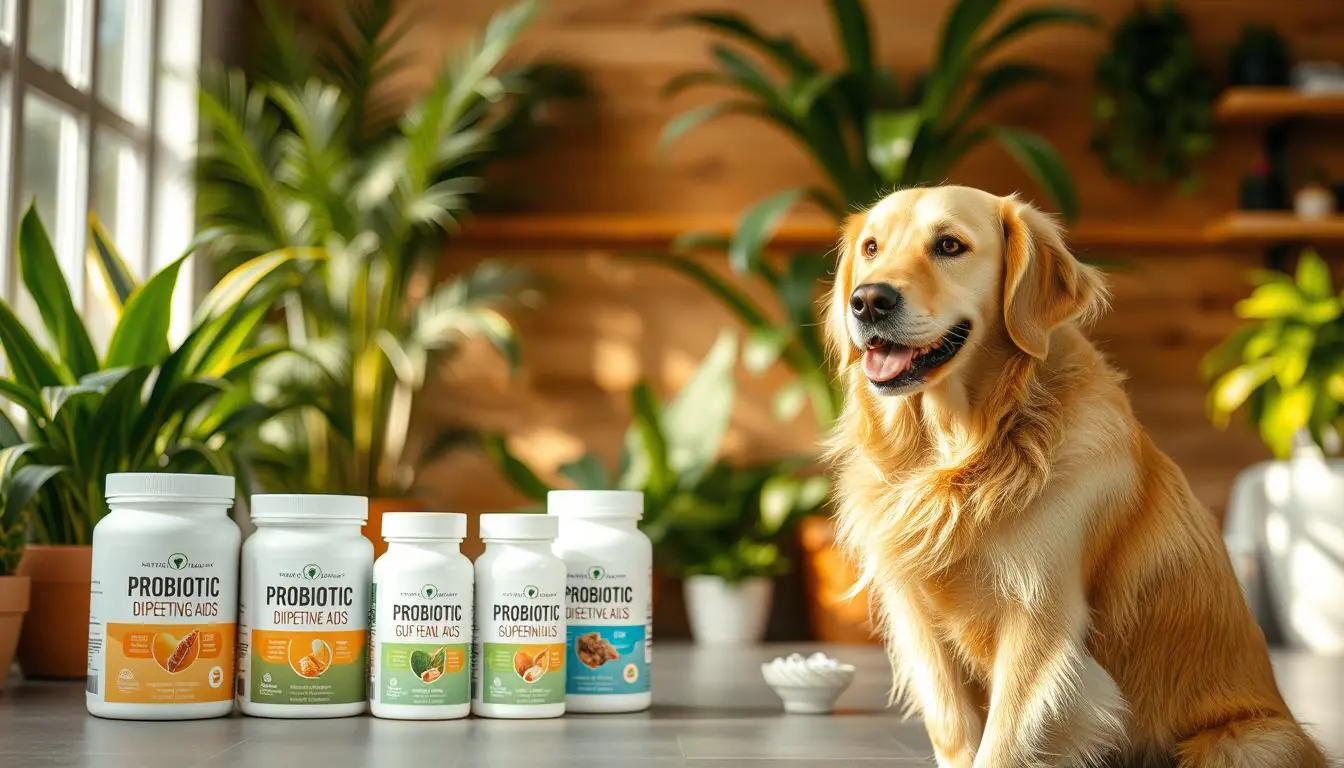
Surprising fact: nearly one in three pets shows subtle gut imbalances at some point, and many owners miss early clues that point to digestive trouble.
When you notice shifts in appetite, loose stool, or sudden skin flares, the gut microbiome is often at play. Probiotics are live bacteria and yeasts that help digestion, nutrient absorption, and immune system support. They’re measured in CFUs; for most dogs, about 1–10 billion CFUs daily is a common safe range.
Think of a balanced gut as a foundation for energy, skin comfort, and fewer tummy upsets. Supplements like DLY Pets probiotics for dogs can offer steady support when used alongside veterinary care.
Quick note: probiotics are not medicines. They help maintain healthy bacteria levels and may ease occasional digestive or skin issues. Always check for pet-safe formulas and avoid human products that contain toxic ingredients such as xylitol.
The microbes in the gastrointestinal tract form the gut microbiome. It helps digestion, absorbs nutrients, and trains the immune system so the whole body runs smoothly.
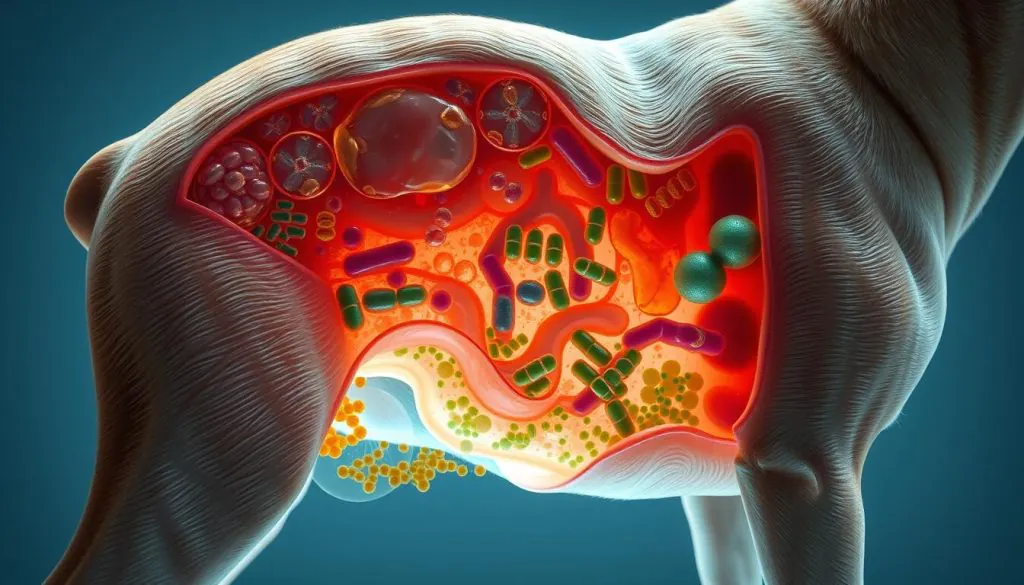
When the microbial mix drifts out of balance, small issues can appear fast. You may notice loose stools, gas, an off appetite, or dull coat changes. These shifts point to a wider gut imbalance that affects health beyond the stomach.
The dog gut microbiome breaks down food and makes nutrients available. A large part of the immune system lives in the gut, so supporting microbes supports immunity across the body.
Probiotics are live beneficial bacteria and yeasts that help rebalance the microbiome. They complement veterinary care and are not a substitute for medicine. Typical safe intake runs about 1–10 billion CFUs per day for many dogs.
“Introduce supplements slowly and give them with meals to lower the chance of gas or loose stools.”
Choose a canine formula—DLY Pets probiotics for dogs is made with pet-safe ingredients and avoids human additives like xylitol. If issues persist, consult a vet to rule out illness before focusing only on the microbiome.
If digestion feels off for more than a couple of days, the gut microbiome may be out of balance. Small changes in stool, odor, or coat can point to a deeper bacterial shift in the stomach and intestines.
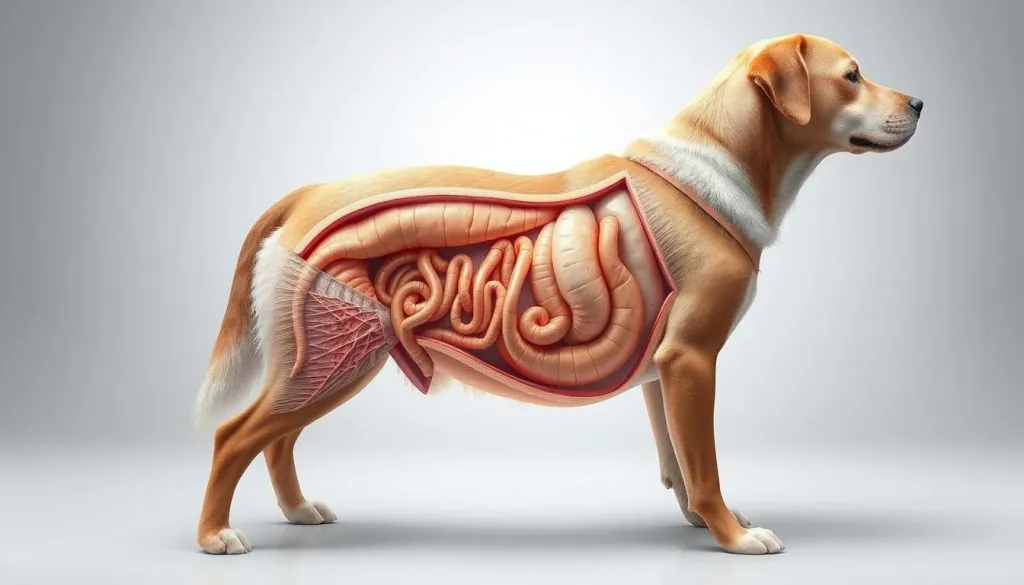
Loose stool that lasts over 48 hours often ties back to an unstable gut. A canine probiotic can help restore intestinal flora and often shortens episodes when used alongside vet guidance.
Loud gurgles and frequent flatulence suggest fermentation or poor digestion. Regular probiotic use may reduce gas and make meals easier to handle.
Yeast overgrowth can show up in ears. Pair topical treatment with daily probiotics to help rebalance microbes and support healing.
Skin troubles sometimes link back to the gut. Steady supplementation can calm symptoms while you explore allergens and food triggers.
Boarding or travel can trigger vomiting or diarrhea. Start a probiotic before the event to give the gut resilience during stress.
“Track food, treats, and stool quality in a simple journal to spot patterns that point to microbiome imbalance.”
| Symptom | Likely gut link | Quick action |
|---|---|---|
| Loose stool | Imbalanced bacteria | Try a canine probiotic; consult vet if blood appears |
| Excess gas | Fermentation of food | Adjust diet; add probiotic support |
| Itchy, flaky skin | Microbiome-skin connection | Address allergens; use daily probiotic |
Tip: DLY Pets probiotics for dogs offers a multi-strain option formulated for digestive and skin support. If severe vomiting, blood in stool, or lethargy appear, call the vet first and use supplements as adjunct care.
Watch for repeating bathroom ups and downs — they often point to digestion that has lost its rhythm.
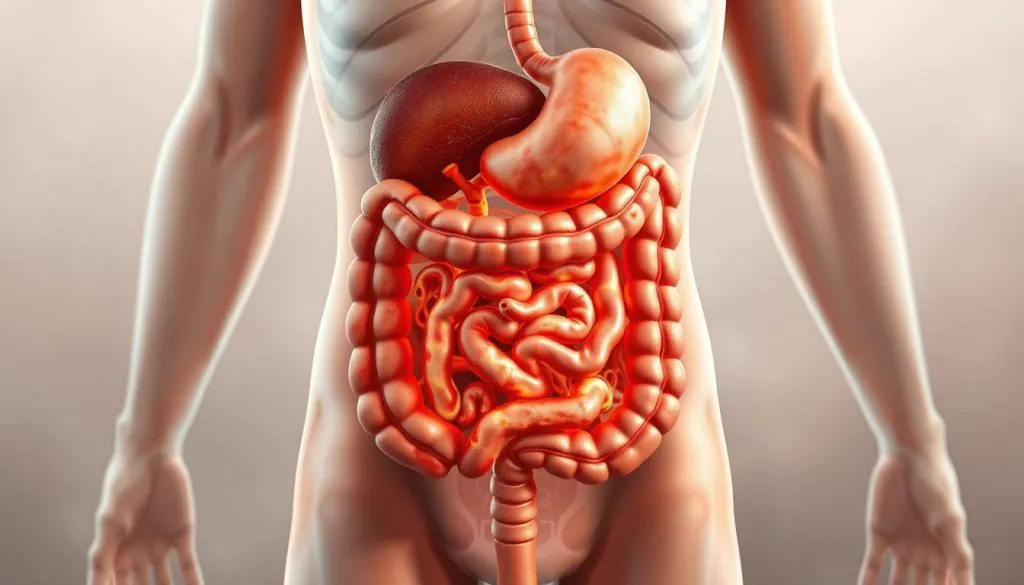
Early action helps. When potty patterns swing between constipation and loose stool, the gut microbiome may be out of balance. That rhythm problem often shows as discomfort, changes in appetite, or mild gas.
On-and-off constipation followed by loose stool suggests unstable motility. Supportive measures include steady hydration, added fiber, and a canine supplement that encourages beneficial bacteria.
Introduce DLY Pets probiotics for dogs slowly and give with meals to reduce stomach upset. Track stool quality daily and keep portions consistent.
If a vet rules out disease yet weight falls, suspect poor nutrient absorption. Pairing a multi-strain probiotic with digestive enzymes can boost digestion and improve weight stability.
“Sudden black, tarry, or bloody stools require immediate veterinary care before any supplement changes.”
| Red flag | Likely gut link | Quick steps |
|---|---|---|
| Alternating constipation & loose stool | Rhythm imbalance of bacteria | Hydrate, add fiber, start probiotic with meals |
| Unexplained weight loss | Poor nutrient absorption | Vet check, add enzymes plus probiotic support |
| Frequent gas or bloating | Fermentation or slow digestion | Adjust food; introduce supplement slowly |
A dull coat, persistent itching, or a musty smell can point to deeper microbial shifts under the skin. These visible clues often track back to an imbalance in the gut and skin microbiome rather than only surface issues.

A pungent, yeasty smell from fur or ears often signals yeast or bacterial overgrowth. Treat infections locally, then support recovery with a canine probiotic regimen to help rebalance internal bacteria.
Dry, flaky patches and continuous scratching can stem from food sensitivities or microbiome shifts. Consider an elimination diet for allergies while adding a multi-strain supplement like DLY Pets probiotics for dogs to encourage smoother skin and better coat shine.
When ear infections repeat, pair vet-prescribed topical care with daily oral support. Start in the safe range of 1–10 billion CFUs and give with food. Over a few weeks, you may see less odor, fewer flare-ups, and improved overall pet health.
“Combine gentle grooming, consistent ear-cleaning, and a targeted supplement plan to rebuild balance from the inside out.”
| Clue | Likely link | Action |
|---|---|---|
| Musty skin or ear odor | Yeast or bacterial overgrowth | Treat infection; add DLY Pets probiotic; consult vet |
| Dry, flaky patches | Microbiome or food-triggered inflammation | Try elimination diet; gentle grooming; start supplement |
| Recurring ear infections | Microbiome imbalance in gut/skin | Topical care first; maintain with daily probiotic support |
For more on recognising early signs and practical steps, see recognising signs.
Behavior changes and immune flare-ups often give early clues that the gut is out of balance. Watch how mood and digestion shift together; that link can guide better care.
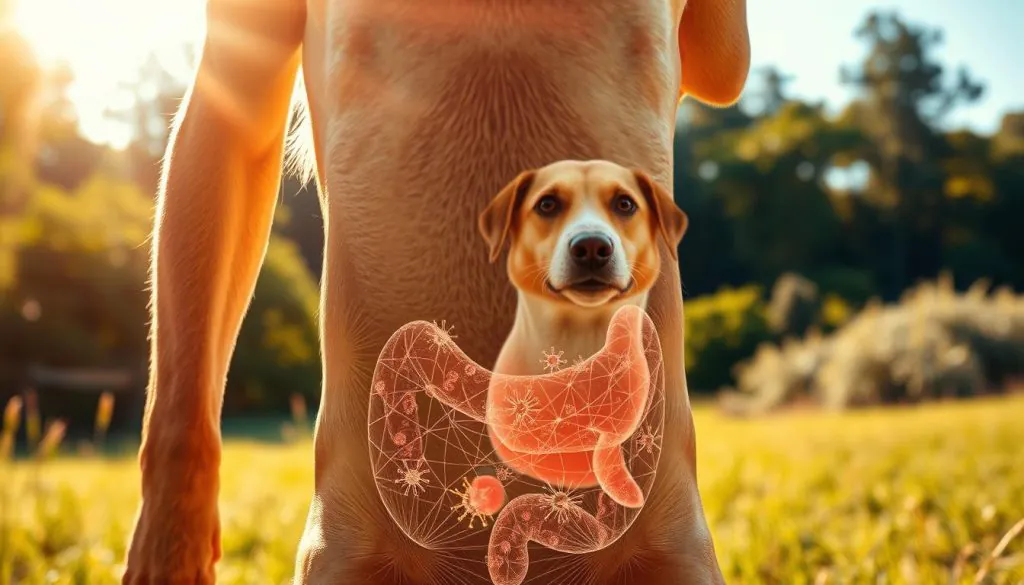
Stress alters gut motility and can cause vomiting or loose stool during travel or changes in routine. Start a canine supplement a few days before a stressful event to help steady the microbiome.
Introduce supplements gradually and give with meals so the digestive system adapts without added upset. Use consistent dosing for several weeks to see effects.
A large portion of the immune system sits in the gut. Supporting those microbes can soften some skin and food-related reactions over time.
Pair microbial support with predictable routines—sleep, feeding, and exercise—to help the body settle into a calmer rhythm.
“Watch for behavior shifts like restlessness or clinginess that occur with diarrhea; this timing helps you apply support when it matters most.”
Practical tips
| Trigger | Gut link | Action |
|---|---|---|
| Travel or routine change | Increased motility, loose stool | Start supplement 2–3 days prior; give with food |
| Restlessness with digestive upset | Stress-related gut disturbance | Stabilize routine; continue support for weeks |
| Allergy-type skin or food reactions | Immune modulation via gut | Combine vet plan with daily microbial support |
Learn more about balanced microbial care at an expert guide or explore product details at DLY Pets.
High-carb kibble can push the gut to work harder than it should. Many dogs digest starches less efficiently because they have less salivary amylase. That extra burden can change bacteria balance and raise fermentation, which leads to gas and looser stool.

When most meals are kibble, add a daily supplement like DLY Pets probiotics for dogs to help the microbiome process carbs. Introduce supplements slowly and give with meals to limit gas.
Abrupt dog food changes often cause loose stools. Low-grade ingredients add stress to the gut and can trigger yeast or odor flares. Transition over 5–7 days, keep treats minimal, and use steady microbial support while the gut adapts.
“Simpler, higher-quality foods are gentler on digestion and reduce digestive upset.”
| Trigger | Effect | Quick step |
|---|---|---|
| Kibble-heavy diet | Increased fermentation and gas | Add daily DLY Pets probiotic; feed with meals |
| Sudden food change | Loose stool | Transition 5–7 days; keep treats consistent |
| Low-quality ingredients | Microbiome imbalance, yeast flares | Choose cleaner food; support bacteria with supplement |
Not all formulations work the same—ingredients and delivery change results. Start by checking strain diversity, dose, and how you’ll give the product each day.
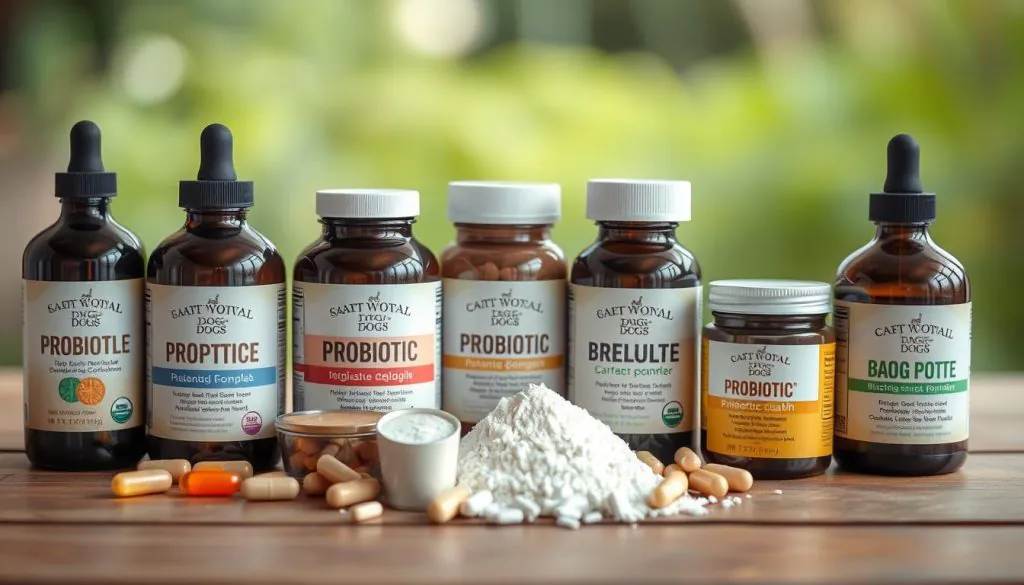
Choose blends that include Lactobacillus, Bifidobacterium, and Enterococcus. These cover different zones of the GI tract and improve the chance of helpful colonization.
A useful therapeutic range for many pets is roughly 1–10 billion CFUs daily. Start at the lower end if stomach sensitivity is a concern, then increase only with vet guidance.
Powders mix into meals, chews act like treats, and liquids pour over food. Choose the delivery that fits mealtime habits to keep dosing consistent.
Verify the product is made for dogs and free from xylitol or unnecessary flavors. Human formulas can contain toxic ingredients and should be avoided.
“Check storage directions and expiry dates—heat and humidity reduce live bacteria counts.”
| Factor | What to look for | Why it matters |
|---|---|---|
| Strain mix | Lactobacillus, Bifidobacterium, Enterococcus | Broader coverage across the gut improves balance and function |
| CFU dose | About 1–10 billion per day | Effective yet safe; start low for sensitive stomachs |
| Format | Powder, chew, or liquid | Choose what the animal accepts for consistent use |
| Safety | Made for dogs; no xylitol | Avoids toxic additives and gut upset from human ingredients |
DLY Pets probiotics for dogs fits these criteria with multi-strain blends, sensible CFUs, and pet-friendly formats to help digestion, skin, and immune support when used alongside vet care.
Introduce live cultures in small steps so the digestive system can adjust. A gradual plan helps limit gas or loose stools and improves long‑term results.
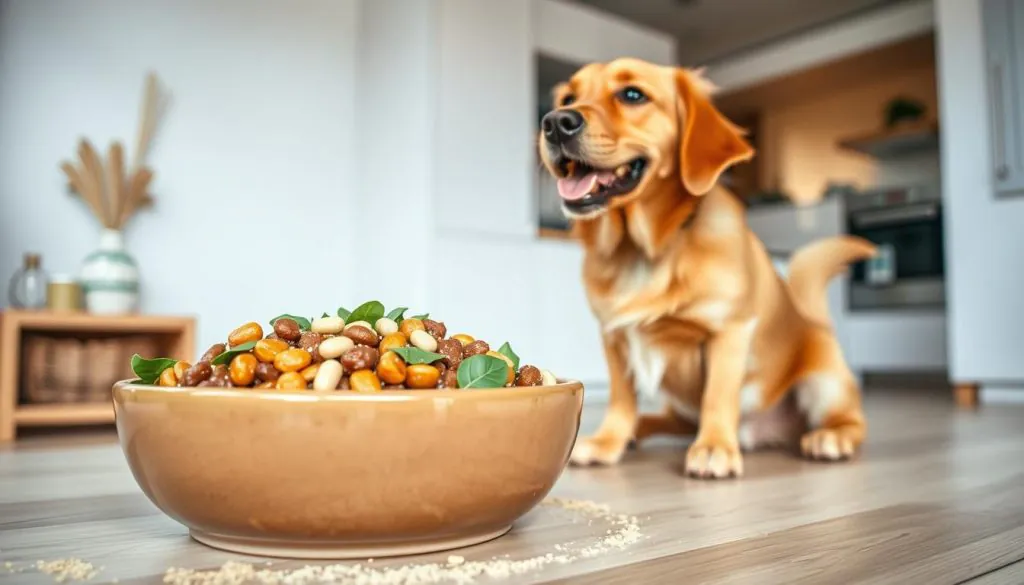
Begin at a fraction of the suggested dose and build to full strength over 3–7 days. Give with food to buffer stomach acid and help bacteria reach the lower gut alive.
Keep the product in a cool, dry place away from heat and light. Consistent timing — same meal, same amount — helps beneficial strains colonize and steady digestion.
If stools stay inconsistent or weight and absorption seem poor, ask your vet about adding digestive enzymes for a few weeks. Enzymes help break down fats and proteins while bacterial support rebuilds balance.
“If temporary bloating or loose stool appears, reduce the dose and reintroduce slowly.”
| Step | Why it matters | Tip |
|---|---|---|
| Low start (3–7 days) | Reduces risk of gas or loose stool | Build to full dose gradually |
| Give with meals | Improves survival through stomach acid | Mix into food or use a chew |
| Store cool & dry | Preserves CFUs and potency | Follow label directions |
| Pair with enzymes | Helps digestion when absorption lags | Consult vet before adding |
DLY Pets probiotics for dogs fits this approach with clear dosing guidance and pet-safe strains to support digestion, skin, and overall health when used alongside vet care.
A product that fits mealtime habits makes long-term microbial support easy to maintain. DLY Pets probiotics for dogs are built to be part of a steady feeding routine and to work alongside quality dog food.
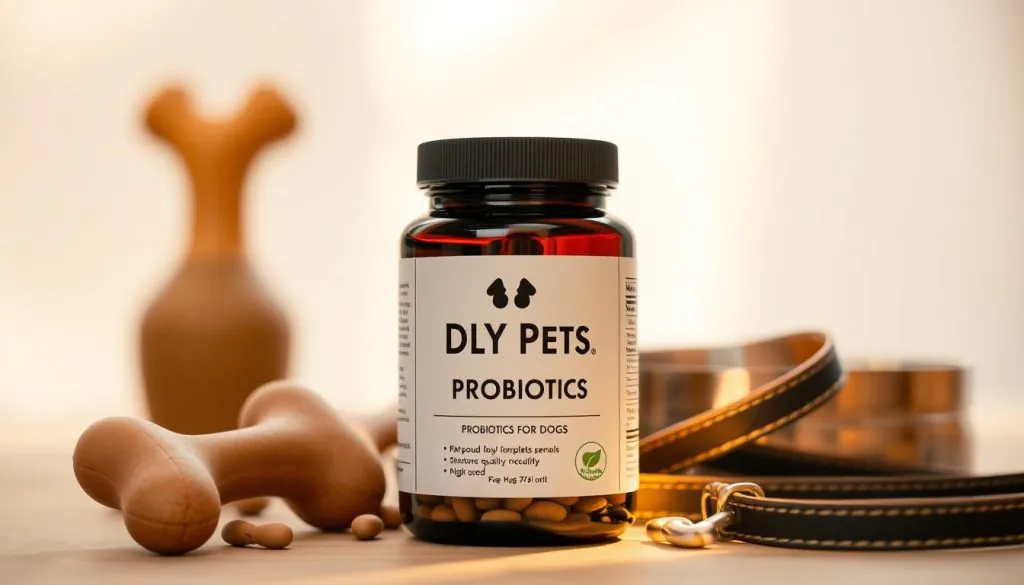
Daily use helps steady digestion, ease skin flare-ups, and support the immune system. Give the supplement with meals to help the bacteria survive stomach acid and reach the lower gut.
Multi-strain blends such as Lactobacillus and Bifidobacterium provide broad coverage. Typical effective dosing sits around 1–10 billion CFUs per day, which balances effect and tolerance.
Choose a format that matches feeding habits—powder over food or a chew—so dosing stays consistent. Start low, increase over several days, and pair the supplement with a balanced diet for best results.
| Feature | What it provides | Practical tip |
|---|---|---|
| Multi-strain bacteria | Lactobacillus & Bifidobacterium | Supports digestion and skin over weeks |
| CFU range | 1–10 billion per day | Start low; increase if tolerated |
| Formats | Powder, chew | Mix into dog food for daily dosing |
| Canine-safe ingredients | No xylitol or human-only additives | Check label and storage directions |
Small, steady steps often lead to the biggest wins for gut balance and overall health. If you spot mild signs like loose stools, gas, itching, or ear odor, consider daily microbial support while you adjust foods and nutrients.
Choose dog-specific formulas—DLY Pets probiotics for dogs follow the safe range of about 1–10 billion CFUs. Start slowly, give with meals, and watch for firmer stools and less odor over a few weeks.
Remember: supplements support care but are not medicines. Call your veterinarian if weight drops, symptoms worsen, or infections appear. Pet parents who want a simple routine can use targeted support alongside better diet and steady habits for lasting results.
