
Did you know one in four dogs shows signs of chronic gut upset at some point? That scale is startling, but it also means clear steps can make a real difference to your pet’s comfort and energy.
You’ll get a simple guide to how live microbes support digestion, ease gas, and improve stool quality. Many products aimed at humans don’t match a canine gut, so species-specific supplements matter.
In short, these targeted supplements can boost digestive health, help the immune system, and produce short-chain fatty acids that discourage harmful bacteria.
DLY Pets offers vet-informed, dog-specific options that aim to reduce odor, steady stool, and calm anxious behavior within weeks. Learn how strains, CFUs, and stability affect real-world results and when to call your vet.

Many everyday events can upset your pet’s gut. Boarding, travel, sudden meal swaps, or stress often trigger loose stools and extra gas.
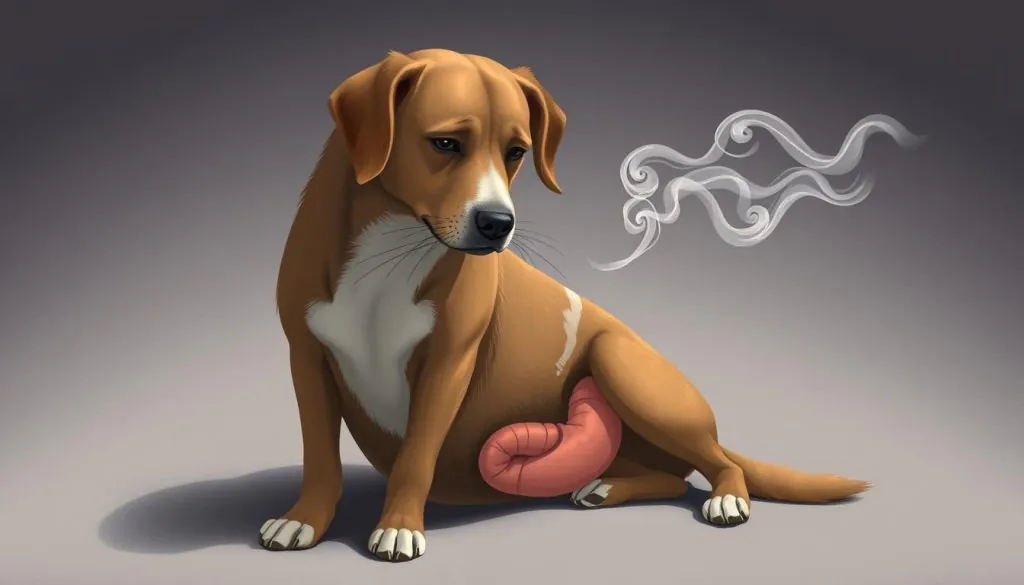
Diarrhea is a sign, not a diagnosis. It happens when stool moves too quickly through the digestive tract and the body can’t absorb water or nutrients.
Rapid transit reduces absorption and creates watery stool. At the same time, altered bacteria levels raise fermentation and gas production.
Minor episodes often resolve with rest, hydration, and a bland diet. A short-term, dog-specific supplement like DLY Pets can be part of your toolkit for mild upset from stress or diet changes.
| Sign | Likely Cause | Suggested Action |
|---|---|---|
| Watery stool, mild gas | Stress or recent food changes | Hydrate, short bland meals, monitor 24–48 hrs |
| Frequent watery stool, vomiting | Infection or toxin | Contact veterinarian; consider diagnostics |
| Persistent loose stool over days | Underlying health issue | Veterinary exam and treatment plan |
Healthy gut residents help break down food, make vitamins, and keep unwelcome microbes in check. These beneficial microorganisms live in the gastrointestinal tract and help digestion, nutrient production, immune support, and the gut-brain connection.
Think of the gut as an ecosystem. Good bacteria crowd out harmful bacteria and produce metabolites that strengthen the intestinal lining. This shift toward balance often means firmer stools, less gas, and steadier appetite.
Prebiotics are fermentable fibers that act as fuel for good microbes. Examples like FOS and acacia gum have been paired with Enterococcus faecium in studies and shown improved fecal quality in dogs.
Synbiotics combine a probiotic strain with a targeted prebiotic to help the beneficial microbes establish and thrive. DLY Pets products pair dog-specific strains with gentle fibers so you support long-term balance and regularity.
Certain live strains help the gut make short-chain fatty acids that calm inflammation and support everyday digestion. These SCFAs — acetate, propionate, and butyrate — feed colon cells and help produce firmer, more regular stool.
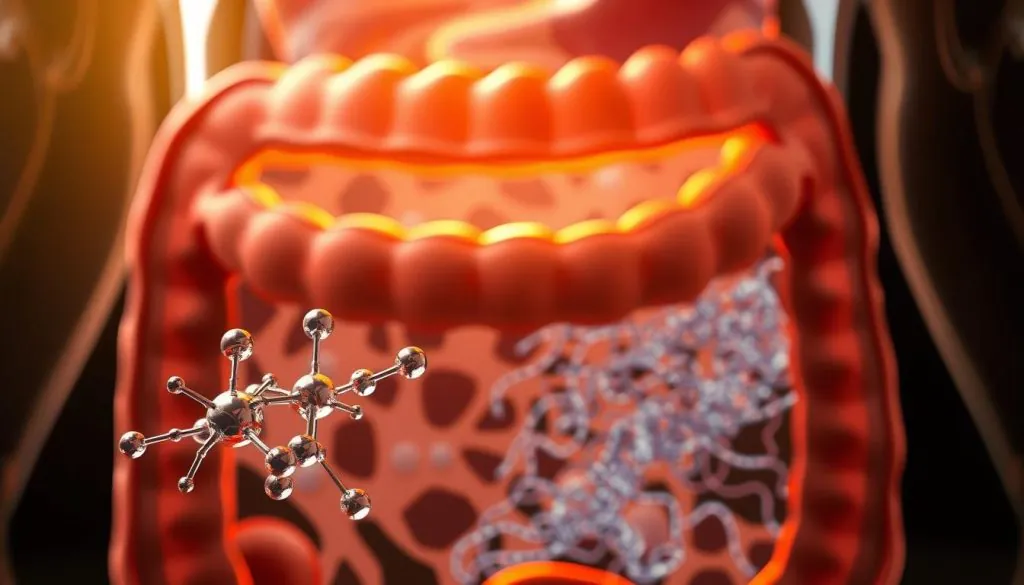
Butyrate fuels the colon lining and helps keep the intestinal barrier tight. A stronger barrier limits harmful bacteria and toxins from reaching sensitive tissues.
This barrier effect supports smoother digestion and can reduce odor and cleanup effort while boosting your pet’s overall well-being.
Certain strains influence immune signaling to favor balance over overreaction. That shift can lower IgE-related allergic reactions and ease itchy skin tied to sensitivities.
DLY Pets formulations are designed to support this gut-immune axis with canine-specific strains and practical daily dosing to help maintain digestive health and a balanced immune system.
Not all live cultures act the same; some strains target short-term upset while others improve long-term stool quality.
Enterococcus faecium (NCIMB 10415) has strong real-world backing. In a large study of over 700 animals, about 2×10^9 CFU/day paired with FOS and acacia gum improved fecal consistency and lowered certain harmful bacteria.

This strain helped shorten episodes and support recovery when added to a gentle feeding plan. The study results make it a practical option to consider.
AHC7 tolerates low pH and bile. Trials show it can reduce time to resolution for acute upset and cut need for some antibiotics. Safety was confirmed at high doses in growing beagles.
This beneficial yeast is used to prevent antibiotic-linked loose stool and to help dogs with chronic enteropathies when used alongside treatment.
C-3102 spores survive storage and stomach transit. A dose around 1×10^9 CFU/kg improved digestibility, reduced fecal odor, and raised short-chain fatty acids.
When loose stools start after travel or a quick meal swap, timely support can speed recovery.
Use a canine-specific supplement when episodes are short, your pet stays bright, and there is no vomiting or fever.
Consider a targeted product for mild cases tied to stress, boarding, or recent dietary changes. Start alongside hydration and bland meals.
Call your veterinarian if you see blood in stool, repeated vomiting, high fever, severe lethargy, or signs of dehydration.
Routine disruptions, antibiotics, and sudden diet swaps often disturb the gut and raise fermentation. Certain strains can shorten episodes after these events.
DLY Pets is a practical choice for everyday upset and as post-antibiotic recovery aid, while your vet manages serious illness.
| Situation | Action | Expected timeline |
|---|---|---|
| Stress or travel-related loose stool | Hydrate, bland food, start canine supplement | 24–72 hours improvement |
| Post-antibiotic imbalance | Resume targeted strains and gentle fiber | 2–4 weeks to normalize stools |
| Severe signs (blood, vomiting) | Seek immediate veterinary care | Urgent assessment |
Gas and bloating stem from how microbes ferment food in the colon and how the digestive tract moves waste along.

Certain live strains ferment non-digestible fibers into short-chain fatty acids (SCFAs). These SCFAs feed colon cells, support barrier integrity, and shift which bacteria dominate the gut.
That shift often lowers excess gas because fewer gas-producing microbes remain active. You’ll notice gentler fermentation and steadier stool form as balance returns.
Improved barrier function and SCFA signaling also help normalize motility. When transit is steadier, bloating and occasional constipation tend to ease.
| Issue | Action | Expected change |
|---|---|---|
| Excess gas | Start targeted daily supplement, reduce gulping | Gradual reduction in 1–3 weeks |
| Bloating/slow transit | Combine strains that aid motility and SCFA production | Improved regularity and less tightness |
| Occasional constipation | Gentle fiber increase + consistent supplement | Return to routine over weeks |
When you start a live-culture supplement, mild digestive shifts are common as the gut adapts. You may see short-term side effects like softer stools, more gas, or a brief drop in appetite. These changes often settle in days to a few weeks as bacteria rebalance.
The most common early effects include loose stool, mild bloating, and occasional vomiting. You may notice a slight rise in thirst or subtle appetite changes. In many cases these are temporary and improve within four weeks, as reported in one study.
Watch for allergic reactions. Rare signs include itching, hives, facial swelling, or breathing difficulty. If you see these, stop the supplement and call your veterinarian immediately.
Timing matters when your pet is on antibiotics. Some evidence shows S. boulardii can be used during antibiotic courses to help prevent antibiotic-associated diarrhea. As a rule, start low and increase slowly to improve tolerability.
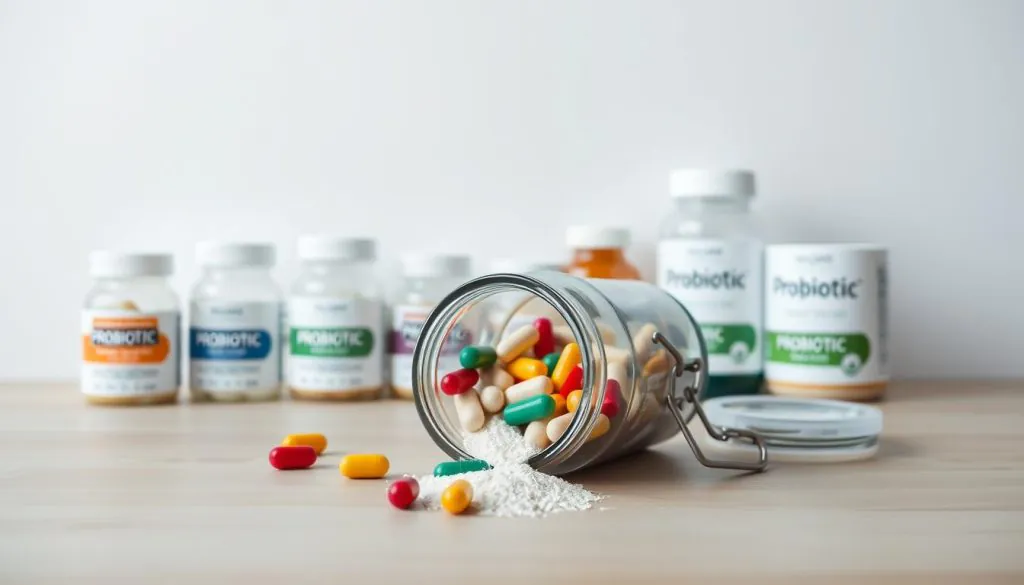
A clear label, stable delivery, and vet input separate reliable probiotic supplements from the rest.

Start by reading the label. Look for species and strain names that match what a study used. Transparent CFU counts help you match potency to size and need.
Prefer products that list specific strains and exact CFUs. That tells you what bacteria are present and in what amounts.
Stability matters. Freeze-drying, microencapsulation, or spore-forming strains improve survival through storage and stomach acid.
“Good packaging and lot testing mean more live cells reach the gut.”
Canine guts differ from human guts. Choose dog-targeted formulas and vet-approved options when possible to support lasting balance.
DLY Pets uses dog-specific strains, clear CFU labeling, stability-forward processing, and vet-formulated recipes. That matches what vets and studies recommend for better health and fewer messy episodes.
Start with a conservative plan so your pet’s gut can adapt without extra upset. Match dose to weight, begin at half the listed amount for 48–72 hours, then move to the full dose if your pet stays comfortable.
A clear, repeatable routine helps beneficial microbes settle in. Use a simple framework: small breeds (under 10 lb) aim for 1–5×10^8 CFU/day; medium breeds (10–40 lb) 5×10^8–2×10^9; large breeds 2–5×10^9. Adjust with your veterinarian when health issues exist.
Powders mix easily into meals and often protect viability in warm climates. Capsules give precise dosing. Chews suit picky eaters but check storage and moisture. DLY Pets offers these formats so you can match taste and tolerance.
| Size | Starting dose (half) | Full dose | When to increase |
|---|---|---|---|
| Small (≤10 lb) | 0.5–1×10^8 CFU | 1–2×10^8 CFU | After 3 days if stools stable |
| Medium (10–40 lb) | 2–5×10^8 CFU | 5×10^8–2×10^9 CFU | After 3 days if no upset |
| Large (>40 lb) | 1–2×10^9 CFU | 2–5×10^9 CFU | When stools score 3–4 on 1–7 scale |
Track changes: log stool on a 1–7 scale, time doses with meals to reduce queasiness, and pause or cut dose if signs worsen. If your pet has chronic GI disease or takes daily meds, check with your veterinarian before starting.
Support recovery by focusing first on fluids, then a short bland menu and slow food swaps. Start with clean water and small, frequent meals to keep hydration steady and ease the gut back into routine.

Hydration comes first. Offer water often and consider electrolyte solutions if your pet has had several loose stools. A brief bland diet—plain chicken and rice or a vet-approved formula—gives the intestine a rest.
Reintroduce regular food slowly. Mix increasing amounts of normal food over three to seven days to avoid rebound diarrhea and reduce flare-ups.
Add prebiotics only after stools begin to firm. These gentle fibers feed good bacteria and can boost balance, but too much too soon may raise gas.
“Use synbiotics during travel or boarding to help stabilize the microbiome under stress.”
| Step | What to do | Why it helps |
|---|---|---|
| Hydrate | Offer water and small sips of electrolyte mix | Prevents dehydration and supports stool formation |
| Bland diet | Feed plain, easily digested meals for 48–72 hrs | Gives the gut time to heal and reduces irritation |
| Slow reintroduction | Mix regular food over 3–7 days | Reduces risk of rebound loose stools |
| Targeted support | Add synbiotic products during stress events | Helps maintain microbial balance and steady stools |
DLY Pets probiotics for dogs fit naturally into this plan. Use them alongside hydration and gentle feeding to support steadier stools and calmer tummies during recovery and routine care.
Choose supplements with real-world use in mind. A clear label, stable delivery, and strains backed by trials give you the best chance of steady results during stress, travel, or after antibiotics.

Antibiotics can disrupt microbial balance and raise risk of loose stool. Research shows S. boulardii given alongside antibiotics can help prevent this outcome. Other strains like E. faecium and B. subtilis have study-backed benefits for fecal quality and microbial balance.
How to use them: start during antibiotics if your vet agrees, then continue 1–4 weeks after to discourage overgrowth of harmful bacteria and to restore resilience.
Begin a steady regimen about a week before travel. Keep meals simple and continue daily dosing while away. That routine helps limit surprises and supports regular stool and less gas.
Healthy pets can stay on a low maintenance dose to support gut and immune system stability.
Sensitive pets benefit from higher, targeted dosing during flare-ups or stress windows. Reduce back to baseline once stools and appetite normalize.
Smart shopping checklist
Want a deeper read on how the pet microbiome affects wellness? See this overview on the pet microbiome: pet microbiome explained.
When you match research-backed strains with steady routines, recovery and long-term gut balance become more likely.
You’ve learned how targeted probiotics support digestion, immune system balance, and better overall well-being. Use hydration, bland meals, and gradual food changes alongside dosing with a vet-informed product.
Choose a strong. Dog-specific, strain-identified options like DLY Pets mirror study-backed effects and tend to show benefits within weeks. Side effects are usually mild and short-lived. With the right product and consistency, you can help your pet feel comfortable, active, and ready for anything.
