🐶 10% Off Your First Order Code “WELCOME10”

prebiotics for dogs

Probiotics vs. Prebiotics for Dogs: What’s the Difference?

More than 80% of a dog’s immune system lives in the gut. That single fact shows why you can’t ignore digestive care when looking after your pet’s overall health.

This quick guide helps you tell the difference between live cultures and the fibers that feed them. You’ll learn how each supports your pet’s microbiome and what benefits to expect right away.

Practical tips will show which natural foods and supplements pair well. We reference DLY Pets probiotics for dogs as a clean option to combine with natural fibers for synbiotic support.

By the end, you’ll know which ingredients to seek on labels, which to avoid, and how to track improvements in stool, energy, and immune response.

Key Takeaways

  • Most immune defense links to the gut; digestive care matters.
  • Live cultures add beneficial microbes; fermentable fibers feed them.
  • Look for inulin, FOS, GOS, and MOS on labels.
  • A clean probiotic product can pair with natural fibers for better results.
  • Avoid additives like maltodextrin when possible.
  • Track simple signs: stool quality, appetite, and energy.

Why Your Dog’s Gut Health Matters Right Now

Your dog’s digestive tract quietly runs much of their immune defense and overall wellbeing. Most immune tissue lives in the gut, so keeping gut balance directly shapes how your pet handles germs and stress.

When beneficial bacteria ferment soluble fibers they make short-chain fatty acids (SCFAs). SCFAs help cool inflammation and protect body tissues. That leads to better digestion, firmer stool, and more energy.

Dogs under stress, after antibiotics, or with tummy issues often need extra help to bounce back. Small, steady choices — quality food, targeted fibers, and a daily probiotic — add up to big gains in health and resilience.

If you’re unsure where to start, talk with your vet. A simple daily probiotic like DLY Pets probiotics for dogs can be an easy add-on while you refine diet and routine.
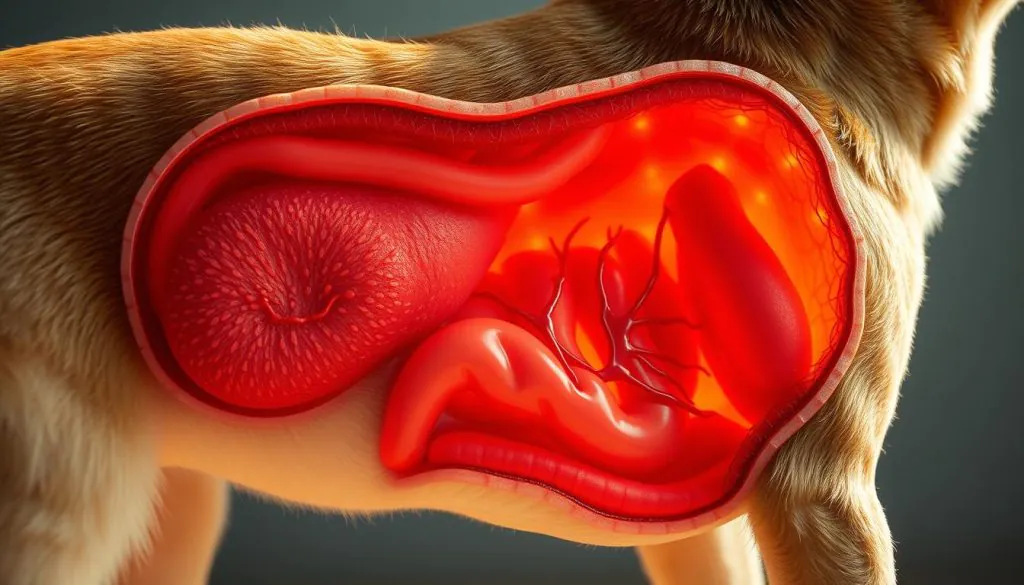
A detailed cross-section of a dog's gut, showcasing its intricate inner workings. The foreground depicts the mucosal lining, teeming with beneficial bacteria and enzymes that aid in digestion. The middle ground features the intestinal walls, with their network of blood vessels and lymphatic channels. In the background, the abdominal cavity is bathed in warm, diffused lighting, creating a serene and informative atmosphere. The scene is rendered with a surgical precision, allowing the viewer to appreciate the critical role of gut health in a dog's overall wellbeing.

Sign Likely Cause Quick Action
Soft stool Imbalance of gut bacteria Try a short probiotic course; check food
Excess gas Poor fiber digestion Adjust nutrients and add fermentable fiber
Itchy skin Gut-driven inflammation Consult vet and support gut with probiotics

Probiotics vs. Prebiotics: How They Work in Your Dog’s Gut

Live microbes and the fibers that feed them play distinct but connected roles in gut balance.

Probiotics: These supplements add living, helpful bacteria into the digestive tract. When you give targeted strains, you increase the chances that good microbes will outnumber harmful ones. This supports digestion and can ease upset after antibiotics.

Probiotics: Adding beneficial bacteria to the microbiome

Think of probiotics as reinforcements. They supply strains that compete with bad bacteria and support immune responses in the gut.

Prebiotics: Feeding the good bacteria to produce SCFAs

Non-digestible fibers travel to the colon intact. There, gut bacteria ferment them and make short-chain fatty acids (SCFAs).
  • SCFAs soothe inflammation and help keep the intestinal barrier strong.
  • Healthy growth of native microbes improves stool and energy.

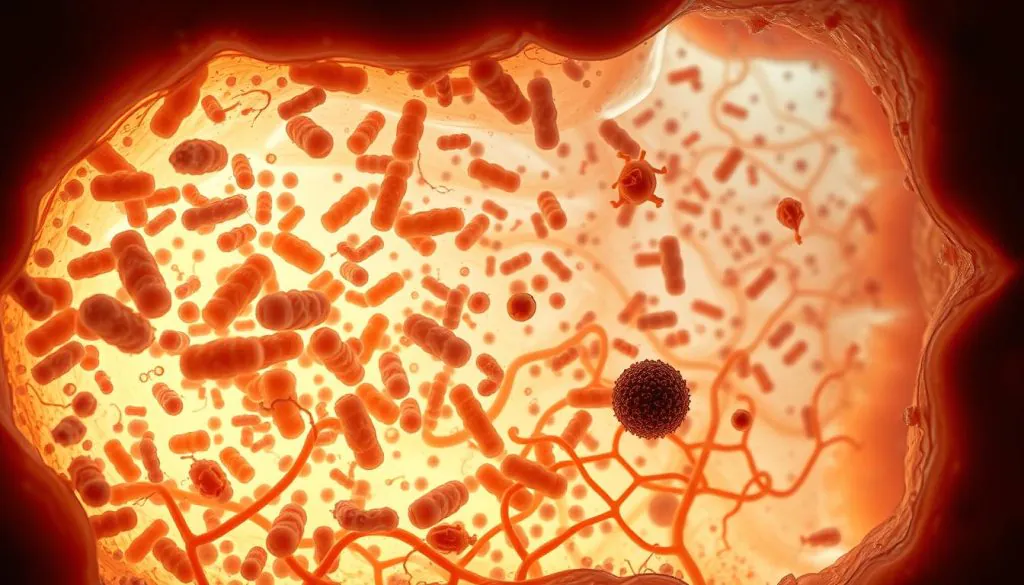
A detailed cross-section of a dog's gut, illuminated by soft, directional lighting. The foreground features a vibrant array of diverse gut bacteria, each with distinct shapes, sizes, and textures, swimming amidst a swirling, semi-transparent matrix. The middle ground showcases the intricate network of intestinal villi, delicately branching out to maximize surface area for nutrient absorption. In the background, the gut wall's intricate mucosal lining is visible, with its protective layer of mucus and immune cells. The overall scene conveys a sense of the dynamic, symbiotic relationship between the host and its microbial inhabitants, essential for maintaining a healthy, balanced canine digestive system.

Synbiotics: Why using both together supports a resilient immune system

Pairing probiotics with natural fibers boosts the odds that new bacteria will take root and thrive. Consider combining DLY Pets probiotics for dogs with a gentle, whole-food fiber to build a simple synbiotic routine. This approach helps your pet rebound faster from tummy upsets and keeps the microbiome resilient under stress.

Top Health Benefits You Can Expect from Balanced Gut Bacteria

When gut bacteria are balanced, the ripple effects show up across immunity and digestion. You’ll notice changes that matter to daily life and long-term wellness.

Immune system support and reduced inflammation

Balanced microbes help tune the immune response. SCFAs produced by fermented fibers lower inflammation and support a calmer immune system.

That means fewer flare-ups and better resilience during stress or illness.

Better digestion, stool quality, and less gas

A stable microbiome often leads to firmer stool, less gas, and smoother digestion. Many pet parents spot these effects within a few weeks.

Potential protection against disease and improved recovery

Strong gut communities can support recovery after antibiotics and other setbacks. Research on functional mushrooms like turkey tail shows immune-modulating activity and possible anti-tumor effects.

“A healthier gut can mean steadier energy and stronger day-to-day resilience.”
  • Fewer flare-ups and steadier energy in your dog are common outcomes.
  • SCFAs help reduce inflammation and calm immune reactions.
  • Better stool quality and less gas come with balanced bacteria.
  • Improved resilience can support recovery and may lower some disease risks.
  • Pairing probiotics with targeted fibers often reinforces the system that protects your canine.

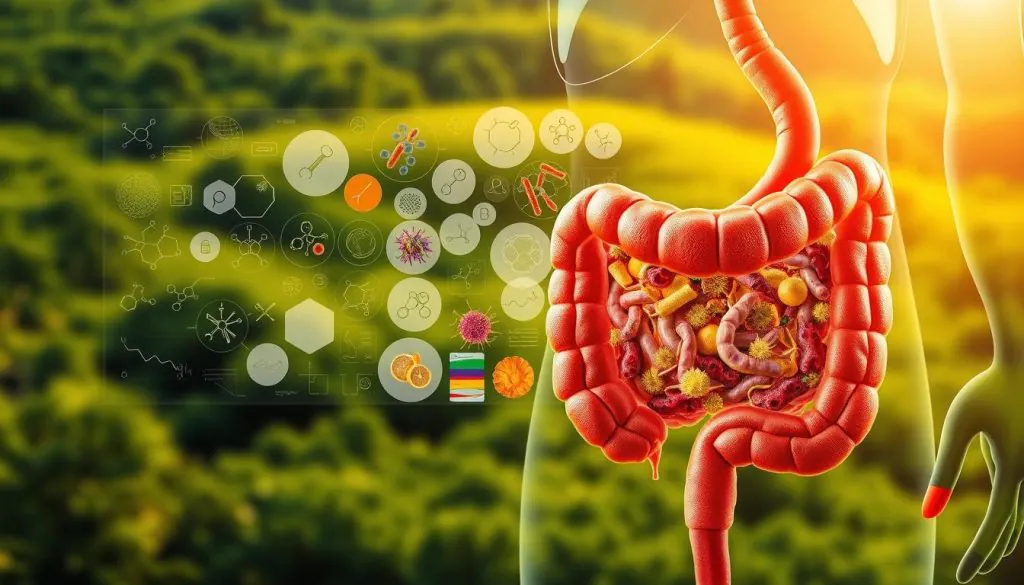
A vibrant, realistic illustration of the health benefits of gut bacteria. In the foreground, a detailed cross-section of a human intestine, showcasing the diverse ecosystem of beneficial microbes. The middle ground features a collage of scientific icons, including microscopic images of gut bacteria, vitamin and mineral symbols, and molecular diagrams. The background depicts a lush, verdant landscape, representing the holistic, natural connection between gut health and overall well-being. The lighting is warm and inviting, emphasizing the positive, life-giving properties of a balanced gut microbiome. The composition is clean and visually striking, capturing the viewer's attention and conveying the importance of gut health in a compelling, educational manner.

Practical note: A daily synbiotic plan that includes DLY Pets probiotics for dogs may enhance these benefits, especially during seasonal stress or after antibiotics. Set realistic expectations and track stool, energy, and skin comfort as your measures of progress.

Prebiotic Fiber Types You’ll See on Dog Products

Not all fiber works the same in the gut; what a label says matters. When you read ingredient lists, look for clear names that tell you the actual source and effects.
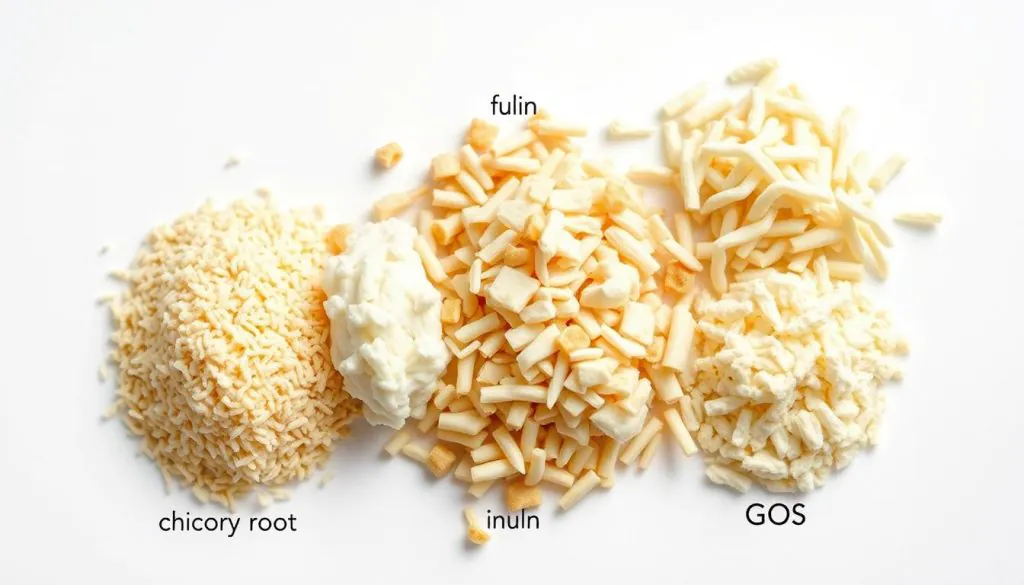
Detailed illustration of various prebiotic fiber types commonly found in dog food products, including chicory root, inulin, fructooligosaccharides (FOS), and galactooligosaccharides (GOS). Crisp, high-contrast image with natural lighting and depth of field, captured with a wide-angle macro lens. The fibers are arranged in an organized, informative display against a clean, neutral background, highlighting their distinct shapes, textures, and colors. An educational, scientific visualization that conveys the diverse range of prebiotics that can support a dog's gut health.

Inulin, FOS, GOS, and MOS explained

Inulin is an indigestible starch often from chicory root. It ferments well in the colon and feeds helpful bacteria.

FOS comes from fructose in fruits and roots. It supports steady fermentation and SCFA production.

GOS appears in dairy and legumes and acts as reliable food for friendly microbes.

MOS is derived from Saccharomyces cerevisiae yeast and can help modulate bacterial balance.

Why to avoid maltodextrin as a “prebiotic” ingredient

Look out for maltodextrin on labels. It’s usually corn-derived and may spike blood glucose. Studies link it to altered bacteria and higher E. coli risk, so it’s not a good substitute.

Ingredient Source Ferments in Colon Why it matters
Inulin Chicory root Yes Feeds beneficial bacteria; boosts SCFA
FOS Fruits & roots Yes Steady fermentation; supports digestion
GOS Dairy & legumes Yes Promotes friendly bacteria growth
MOS Brewer’s yeast Yes Helps modulate gut microbes
Maltodextrin Corn-derived No (not a true prebiotic) May affect blood sugar and microbiome; avoid

Tip: Pair a clean probiotics supplement like DLY Pets probiotics for dogs with products listing inulin, FOS, GOS, or MOS. Favor specific ingredients over vague blends to improve feeding outcomes and long-term gut health.

“Choose clear fiber sources on labels and skip maltodextrin when possible.”

Best Natural Foods with Prebiotic Power for Dogs

You can add gentle, natural foods to meals that feed helpful microbes and support digestion. These choices pair well with a daily probiotic to build simple synbiotic bowls.
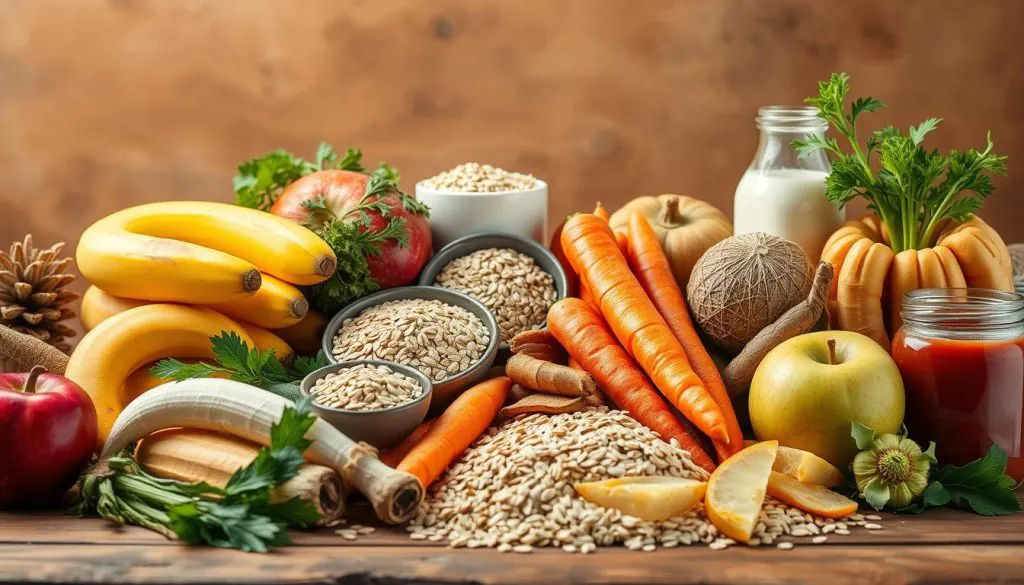
A vibrant still life arrangement of the best natural prebiotic foods for dogs, bathed in warm, soft lighting and captured from a slightly elevated angle. In the foreground, an assortment of fiber-rich fruits and vegetables, including bananas, apples, carrots, and chicory root. In the middle ground, whole grains such as oats and barley, and fermented foods like kefir and sauerkraut. The background features earthy tones, with a hints of greenery to evoke a sense of nourishment and vitality. The composition is balanced and visually appealing, highlighting the bounty of prebiotic-rich ingredients that can support a healthy gut microbiome in canine companions.

Mushrooms: beta-glucans and microbiome modulation

Cooked culinary mushrooms offer chitin, hemicellulose and beta-glucans that modulate gut bacteria. Choose whole fruiting body products over mycelium on grain for higher beta-glucan content.

Chicory root: a rich source of inulin

Chicory root is a reliable source of inulin. Add small amounts to recipes to gently feed friendly microbes and boost SCFA production.

Dandelion greens: mineral-rich support with inulin

Dandelion greens bring inulin plus minerals that support liver function. Sauté, steam, or sprinkle dried greens at about 1 tsp per 20 lb body weight.

Burdock root: prebiotic fiber plus detox support

Burdock root contains inulin and trace minerals. Make a mild decoction and pour it over your dog’s meal for easy daily feeding.

Garlic in safe amounts: how to prep and dose

Chop or crush garlic to form allicin, wait a couple minutes, then serve promptly. Use these amounts by weight: 10–15 lb: 1/2 clove; 20–40 lb: 1 clove; 45–70 lb: 2 cloves; 75+ lb: 2½ cloves.

Tip: Combine these foods with DLY Pets probiotics to create balanced, nutrient-rich bowls that support gut balance and long-term health.

Mushrooms for Dogs: Standout Varieties and Their Effects

Mushroom varieties differ widely in active compounds and effects on immunity and digestion. You can choose specific fungi to target immune support, gut lining repair, or balanced bacterial communities.

A close-up view of several mushrooms, their caps open and gills exposed, against a soft, blurred background. The mushrooms are lit from the side, casting subtle shadows and highlights that accentuate their textures and forms. The lighting is warm and natural, creating a soothing, earthy atmosphere. The image conveys the beneficial properties of these fungi, highlighting their importance for gut health and overall well-being.

Turkey tail

Turkey tail (Trametes versicolor) contains PSP and PSK. These compounds are well studied for immune modulation and anti‑tumor activity. In a canine study, PSP more than doubled survival time in hemangiosarcoma.

Lion’s mane

Lion’s mane helps protect the gut lining and shows anti‑ulcer and IBD‑calming potential. Use it to support sensitive tummies and gut repair.

Chaga

Chaga can shift bacterial groups like Bacteroidetes and balance immune responses. It acts gently and pairs well with whole foods that support digestion.

Maitake and Reishi

Maitake supplies beta‑1,6‑glucan that aids t‑cell and metabolic health. Reishi can raise beneficial bacteria but has rare liver cautions with long, powder‑only use.

Choose whole‑fruiting‑body extracts standardized for beta‑glucans. Pair mushroom food with DLY Pets probiotics for dogs to build a simple synbiotic routine and enhance overall benefits.

prebiotics for dogs: When to Give Them and What to Watch For

After tummy upsets, a simple routine can steady digestion and cut recovery time. Many dogs recover faster when you add a short probiotic course and gentle fiber foods as the gut calms.

After antibiotics, digestive bugs, or big stress events

After antibiotics, tummy upsets, or stressful events

Antibiotics and gastroenteritis can deplete helpful microbes in the tract. Start a clean probiotic like DLY Pets probiotics for dogs right away to help recolonize the valley of microbes.
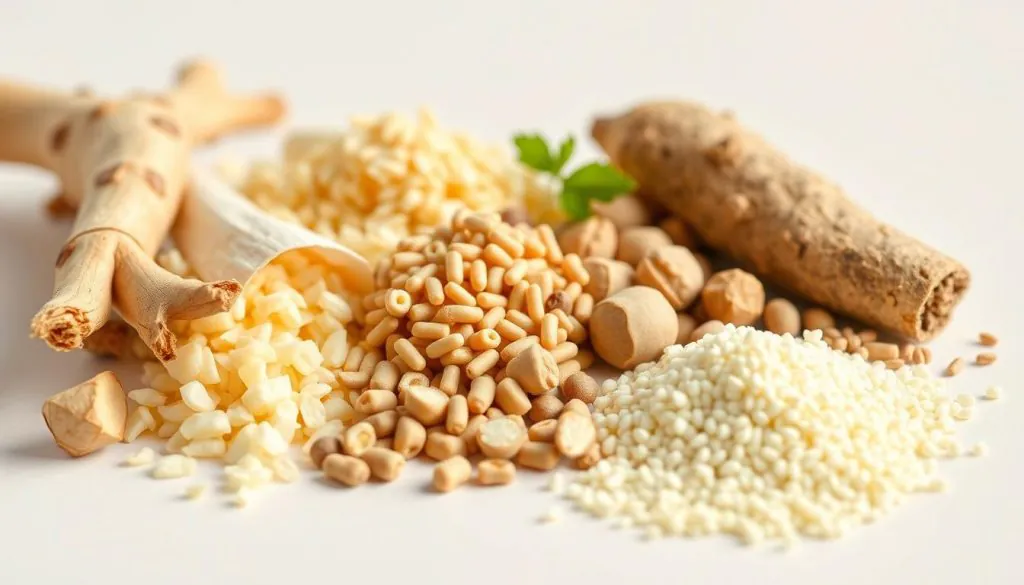
A bright, well-lit, high-resolution close-up photograph of various prebiotics for dogs, including chicory root, inulin, and galacto-oligosaccharides, arranged artfully on a clean, light-colored surface. The prebiotics are shown in their natural, unprocessed forms, with a focus on their textures, colors, and shapes to emphasize their natural origins. The lighting is soft and diffuse, creating a warm, inviting atmosphere. The image is captured from a slightly elevated angle, providing a comprehensive view of the different prebiotics and their relationship to one another. The overall composition is balanced and aesthetically pleasing, highlighting the importance of prebiotics in canine nutrition.

Signs your dog may benefit: diarrhea, constipation, itchy skin, yeast

If you see diarrhea, loose stools, constipation, recurring yeast, or itchy skin, your pet may need gut support. Stress, travel, and meds often trigger these issues.

  • Start with a simple probiotic, then add gentle prebiotics and soothing foods as stool firms.
  • Watch for early wins: firmer stool, easier poops, less itching—many owners notice change in days.
  • Introduce one change at a time if your dog is sensitive so you can track what helps.

If your dog has chronic disease or takes medication, check with your vet before changing supplements or diet.

“A steady routine can fortify immunity and help the system bounce back faster after future bumps in the road.”

How Much Time It Takes: What Results Look Like

Some changes show up fast, while deeper gut shifts need steady care over weeks. You may see early wins in stool and energy within days after adding probiotics and gentle prebiotic foods.

Short-term improvements often include firmer stool, less gas, and brighter appetite. These signs tell you the microbiome is responding.

Short-term improvements versus 4-6 week rebalancing

Quick wins: Loose stool or mild upset can improve in a few days with consistent use of probiotics and simple food changes.
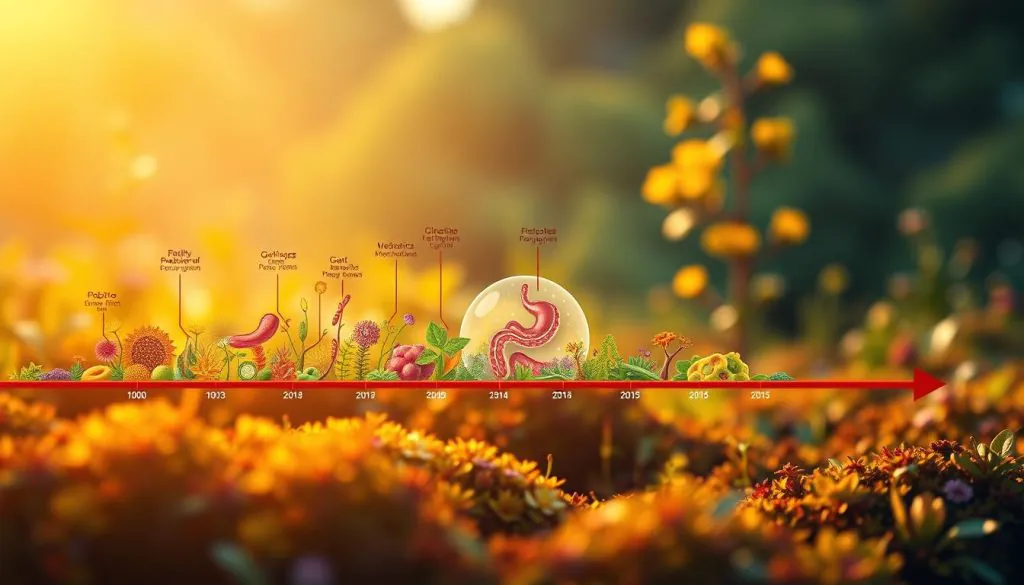
  • 4–6 weeks: Deeper rebalancing of the microbiome typically needs a month or more of steady routine.
  • Track stool form, energy, and skin comfort so you can link changes to the food and supplements you use.
  • Keep routines during travel or stress to support steady growth of friendly bacteria in the system.

A vibrant illustration of the gut health timeline, captured with a warm, cinematic lens. In the foreground, a dynamic timeline depicting the gradual transformation of gut flora over time, represented by a lush, colorful ecosystem of probiotics and prebiotics. The middle ground showcases a cross-section of the digestive system, highlighting the intricate interplay between different bacterial strains. In the background, a softly blurred landscape of healthy, thriving flora and fauna, conveying a sense of balance and harmony. Warm, diffused lighting casts a gentle glow, evoking a sense of natural, holistic wellness. The overall composition emphasizes the dynamic, ever-evolving nature of gut health and the importance of nurturing it over time.

Timeline Typical Signs What to Do
Days Firmer stool, less gas Continue probiotics; add gentle fiber
2–4 weeks Steadier energy, less itching Maintain routine; note food changes
4–6 weeks Microbiome rebalancing, lasting benefits Stick with plan or consult vet if no change

Tip: Many pet parents use DLY Pets probiotics for dogs daily, then add prebiotics at meal time and track small wins each week to measure health benefits.

Smart Supplement Shopping and Feeding Tips

Knowing how to read ingredient lists helps you choose effective supplements and avoid fillers. A clear label tells you the source, active beta‑glucan level, and which fibers are included.

A well-lit, bright and airy kitchen interior with a wooden countertop and shelves. On the counter, an assortment of glass jars and bottles containing various supplements - powders, capsules, and liquids. Nearby, a dog bowl and a bag of dog food. The dog is sitting attentively, observing the scene. Natural light streams in through large windows, casting a warm glow over the space. The overall atmosphere is calm, organized and informative, inviting the viewer to explore the different supplement options for their canine companion.

Choose whole-mushroom products

Pick whole-fruiting-body mushroom products that list beta‑glucan content. Avoid mycelium-on-grain blends that add starch and dilute active nutrients.

Label check: fibers and clean ingredients

Scan for specific fibers like inulin, FOS, GOS, or MOS. Skip products that list maltodextrin or vague “polysaccharides.”

Serving guidance and scaling

If a supplement is made for humans, scale doses from a 150 lb reference to match your dog’s weight. This helps you give a safe, effective amount.

Pairing and routine

Pair a daily probiotic like DLY Pets probiotics for dogs with natural inulin-rich food and cooked mushrooms to build synbiotic support. Add one product at a time and track changes.

What to check Why it matters Action
Whole fruiting body Higher beta‑glucan levels Choose products with stated beta‑glucan
Specific fibers listed Feeds beneficial bacteria Look for inulin, FOS, GOS, MOS
Minimal ingredients Less risk of upset Avoid fillers and artificial sweeteners
Human-dose label Need to scale safely Adjust from 150 lb reference to your dog

Simple, Vet-Approved Ways to Support Your Dog’s Gut Today

Small, consistent feeding choices help maintain healthy gut flora and reduce flare-ups. Use a daily probiotic as your baseline, then add rotating whole foods to broaden bacterial diversity.

Rotate natural prebiotic foods your dog enjoys

Start with one daily probiotic such as DLY Pets probiotics for dogs and layer in cooked mushrooms, chicory root, dandelion greens, or a mild burdock tea. Whole mushrooms should be cooked to release beneficial compounds and ease digestion.
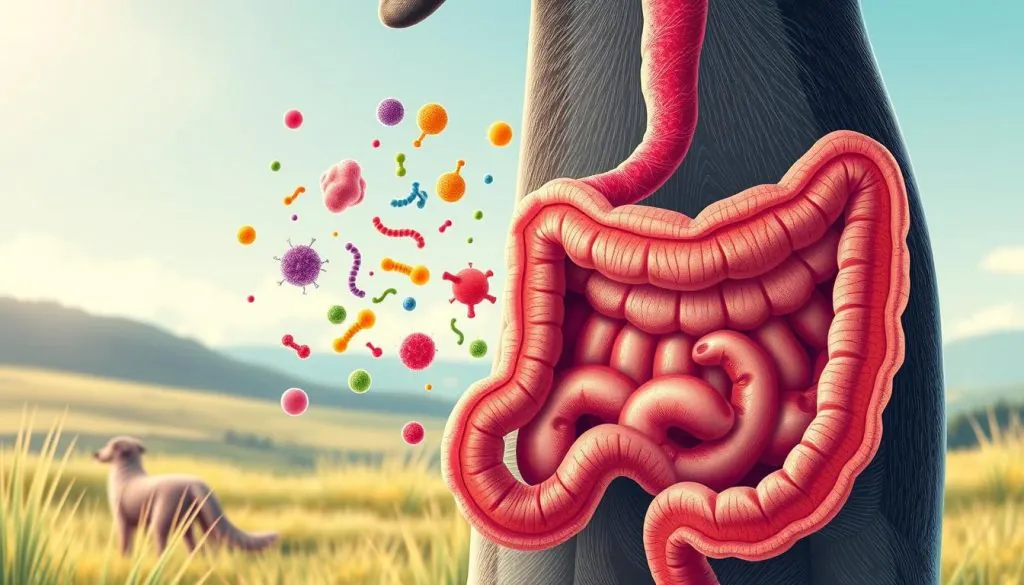
A vibrant, detailed illustration showcasing the inner workings of a healthy dog's gut. The foreground features a cross-section of the intestines, with intricate textures and patterns representing the various layers of the digestive tract. The middle ground highlights the presence of beneficial gut bacteria and probiotics, depicted as colorful, organic shapes. In the background, a soothing, natural landscape sets the scene, with soft lighting and a calming atmosphere to convey the importance of supporting a dog's gut health. The composition is carefully balanced, drawing the viewer's attention to the key elements that contribute to a dog's overall digestive well-being.

Combine probiotics and prebiotics to maintain healthy flora over time

  • Pair probiotics with inulin-rich foods to help friendly microbes thrive.
  • Rotate cooked mushrooms, chicory, dandelion greens, and burdock tea to diversify fibers your dog receives.
  • Feed small, steady portions and note your pet’s response; adjust serving size from human labels to canine weight.
  • Keep meals simple and consistent to support the immune system and long-term dog health.
  • If your canine companion is sensitive, introduce changes slowly and track outcomes weekly; check with your vet when in doubt.

“A steady synbiotic routine helps benefits stick and keeps daily health stable.”

Conclusion

A consistent synbiotic approach gives the clearest path to lasting dog health gains.

Start a simple daily plan: pair DLY Pets probiotics for dogs with rotating natural prebiotic foods and cooked mushrooms. These soluble fibers ferment in the colon to make SCFAs that deliver real health benefits to your dog’s digestion and immune system.

Expect to see early wins in days, with fuller microbiome rebalancing over 4–6 weeks. Choose clear fiber sources and avoid maltodextrin. Functional mushrooms like turkey tail or lion’s mane may also support immunity and, in some cases, offer cancer‑related support alongside your vet’s guidance.

Keep portions sensible, track results, and work with your veterinarian when issues persist. Learn more about how synbiotics affect the intestinal system in this research summary: synbiotic effects on intestinal health.

FAQ

What’s the difference between probiotics and prebiotics, and why does it matter to your dog?

Probiotics add live beneficial bacteria to your dog’s gut, while prebiotics feed the good microbes already there so they grow and produce helpful compounds like short-chain fatty acids. Using both together—often called a synbiotic—gives stronger, faster support for digestion and immunity than either alone.

How does gut health affect your dog’s overall health right now?

A balanced gut microbiome helps digestion, nutrient absorption, skin health, and immune resilience. Imbalances can show up as loose stool, itchy skin, low energy, or frequent infections. Supporting the gut helps reduce inflammation and may improve recovery from illness or surgery.

When should you give supplements that include both probiotics and prebiotics?

Offer them after a course of antibiotics, during or after stressful events (travel, boarding), and when you notice digestive changes like diarrhea, constipation, or increased gas. They also help if your dog has chronic skin issues or recurrent yeast infections tied to microbial imbalance.

What short-term results should you expect, and when do benefits take hold?

You may see stool quality and gas improve within a few days. Full rebalancing of the microbiome typically takes 4–6 weeks of consistent use, with immune and skin benefits continuing to develop over months.

Which prebiotic fibers should you look for on labels, and which should you avoid?

Good fibers include inulin, FOS, GOS, and MOS—these reliably feed beneficial strains. Avoid maltodextrin marketed as a prebiotic; it’s a rapidly digestible starch that can spike glucose and doesn’t selectively nourish healthy gut bacteria.

Are natural foods with prebiotic benefits safe to feed, and which are best?

Many whole foods help the microbiome: mushrooms (beta-glucans), chicory root (inulin), dandelion greens, and burdock root. Prepare them safely, introduce slowly, and avoid large amounts of any single new food. Some items, like garlic, require careful dosing—check with your veterinarian first.

Which mushroom varieties offer the most gut and immune support for your dog?

Turkey tail supports immune modulation and has been studied in tumor settings; lion’s mane supports gut lining and nerve health; chaga helps balance immune responses and certain bacterial groups; maitake and reishi offer metabolic and immune benefits. Use products made from whole fruiting bodies and consult your vet about dosing.

Can supplements cause side effects, and what should you watch for?

Mild gas, bloating, or loose stool can occur when you start a supplement. If symptoms persist beyond a week, or if you see severe vomiting, lethargy, or allergic signs, stop use and contact your veterinarian. Monitor dogs with immune disorders, diabetes, or on immunosuppressants more closely.

How do you choose a quality supplement or product for your dog?

Look for transparent labels listing fiber types, CFU counts for probiotics, and whole-mushroom ingredients rather than mycelium grown on grain. Prefer products that mention “synbiotic” blends if you want combined support and check that serving sizes scale to your dog’s weight.

How should you adjust human supplements or foods for your dog’s weight?

Never give human doses directly. Start at a small fraction proportional to your dog’s weight—many manufacturers provide canine dosing or vet guidance. Increase slowly while watching stool and behavior. If unsure, ask your veterinarian for a weight-based recommendation.

Will these interventions help prevent serious diseases like cancer or chronic inflammatory conditions?

Supporting the microbiome may lower chronic inflammation and improve immune function, which can contribute to better long-term health. Some research links certain mushrooms and microbiome balance to improved outcomes, but supplements are supportive, not cures. Work with your vet for screening and treatment plans.

Can you feed a variety of prebiotic foods to maintain healthy flora over time?

Yes—rotating sources like chicory, dandelion greens, and mushroom varieties helps provide diverse fibers and bioactives that support multiple bacterial groups. Rotate slowly and observe tolerance to avoid digestive upset.

How do synbiotic products compare to feeding foods with natural fibers?

Synbiotic supplements combine specific probiotic strains with targeted fibers for predictable, concentrated effects. Whole foods add broad nutrients and plant compounds that support general health. Using both—food-first plus a high-quality synbiotic—often gives the best, sustainable results.
Picture of long

long

August 18, 2025

Share this post