🐶 10% Off Your First Order Code “WELCOME10”

do probiotics work for dogs

Do Probiotics Really Work for Dogs? Vet Insights & Research

Surprising fact: studies link shifts in the canine microbiome to both chronic enteropathy and sudden hemorrhagic diarrhea, showing how big an effect gut balance has on overall health.

Short answer: yes — targeted strains can support gut balance and comfort in your pet, but results depend on strain, dose, and the underlying issue.

You’ll learn how beneficial microbes boost mucins, tight junctions, short-chain fatty acids, and sIgA to protect barrier function and immune balance.

We’ll explain signs of dysbiosis, what lab results mean, and how multistrain formulas have raised fecal IgA and lowered harmful clostridia in trials.

Practical note: consider a synbiotic powder like DLY Pets probiotics for dogs to pair live strains with prebiotics for targeted gut support, stool quality, and skin/ear wellness.

Key Takeaways

  • Targeted strains can help gut comfort and digestion without replacing vet care.
  • The canine microbiome affects barrier, nutrition, metabolism, and immunity.
  • Look for multistrain, evidence-backed formulas and consistent dosing.
  • Expect firmer stools and less gas within weeks in many cases.
  • Use synbiotic powders for steady dosing and added prebiotic support.

Quick Take: What Probiotics Are and How They Support Your Dog’s Gut

Beneficial microbes sit at the intersection of digestion and immunity, shaping how your pet absorbs nutrients and resists infection.

Beneficial bacteria, yeast, and the canine gut microbiome

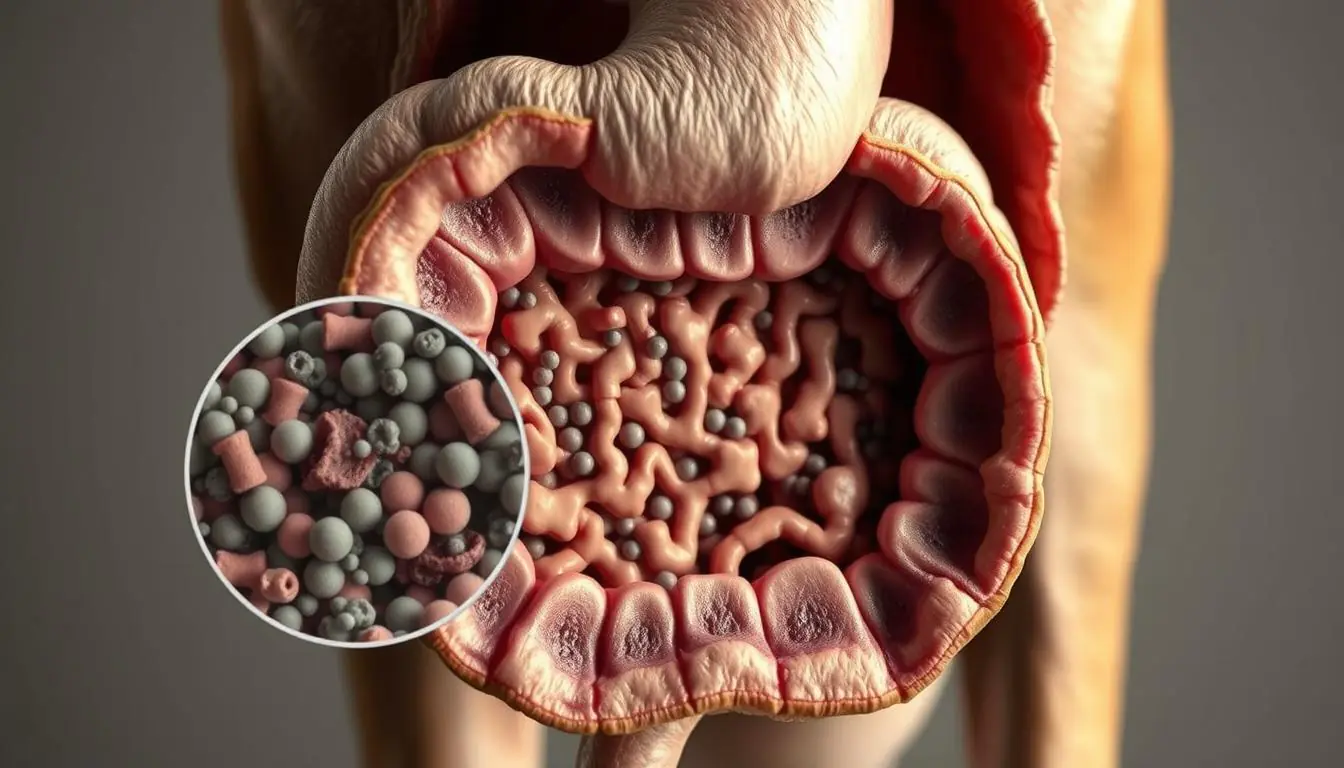
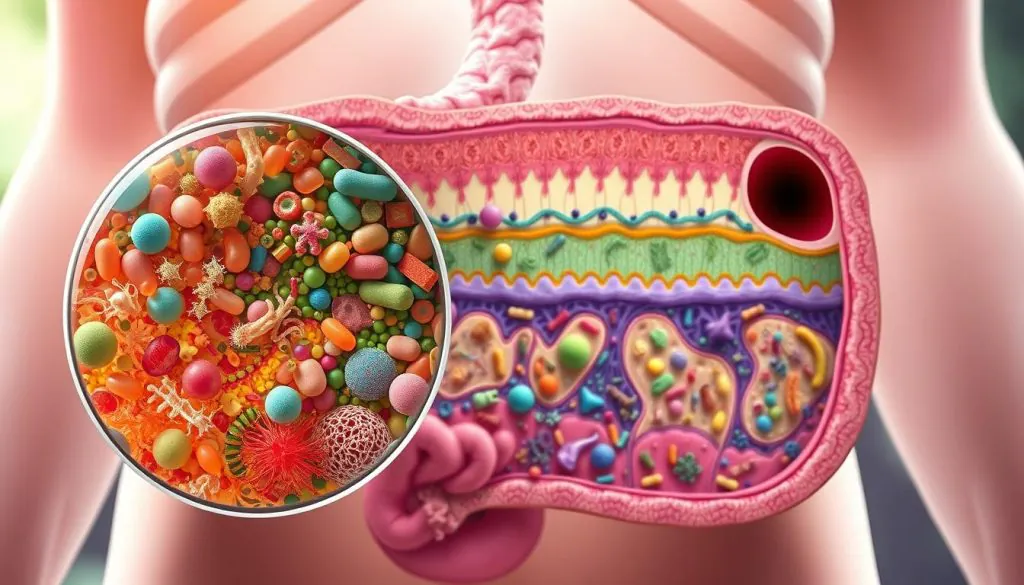
Probiotics are live strains such as Lactobacillus, Bifidobacterium, Enterococcus, and Saccharomyces that can change intestinal communities and immune responses. The canine gastrointestinal tract hosts bacteria, fungi, archaea, protists, and viruses, with the highest counts in the colon (up to 10^11 CFU/g).
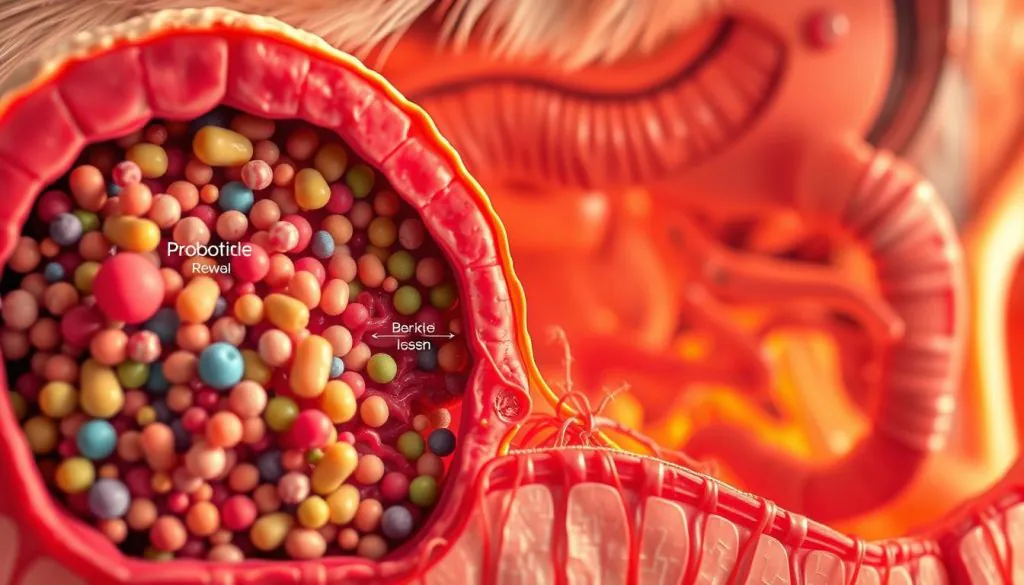
A detailed cross-section of a vibrant gut microbiome, showcasing a diverse array of beneficial bacteria, probiotics, and microorganisms. The foreground features a magnified view of the microbial community, with individual cells and colonies in various shapes, sizes, and colors, hinting at their unique functions. The middle ground presents a wider perspective of the intestinal tract, with intricate networks of blood vessels and nutrient pathways. In the background, a soft, blurred impression of the dog's digestive system, suggesting the holistic nature of gut health. The lighting is warm and diffused, creating a sense of vitality and balance. The overall composition conveys the dynamic, interconnected nature of the gut microbiome and its crucial role in supporting canine well-being.

From digestion to immune system: why balance matters

When beneficial bacteria thrive, they improve digestion and nutrient uptake. Fermentation creates short-chain fatty acids that feed colon cells and help keep the barrier intact.

  • Balanced microbes support healthy sIgA and calm unnecessary inflammation.
  • CFUs on labels show live organism counts per serving.
  • Dog-specific formulas like DLY Pets provide targeted strains and a simple powder you can mix with meals.

Bottom line: the goal is right strains at the right dose to aid digestion and immune system balance, not just more organisms.

Do probiotics work for dogs: What current research and vets say

Veterinary trials increasingly examine strain-level outcomes and measurable markers such as fecal IgA, butyrate, and shifts in microbial balance.

Evidence from companion-animal studies on gut health and diarrhea

Multistrain formulas in companion-animal trials have lowered Clostridium perfringens and boosted Bifidobacterium and Lactobacillus counts. Some products raised fecal IgA and plasma IgG, and a few changed fecal butyrate while reducing E. coli.

Clinical reports show the right strains can shorten the duration of acute diarrhea from about a week to just a few days, helping your pet recover faster.

  • Improved stool quality and immune markers like sIgA are common study outcomes.
  • Host-specific strains often adhere better in the gastrointestinal tract than isolates from other species.
  • Results vary with diet, stress, antibiotics, and baseline microbiome.

Strain-specific effects and why results can vary

Not every product produces the same effects. Two bottles with different strains can give very different changes in the microbiome and clinical symptoms.

Choose products that list strain names, CFU counts through shelf life, and handling directions to keep organisms viable.

A vibrant, well-lit photograph of two playful dogs, one golden retriever and one poodle, enjoying a healthy probiotic-infused dog treat in a lush, sun-dappled park setting. The dogs are sitting upright, their coats shining, as they curiously sniff and nibble on the treat, which is presented on a natural wooden board. The background features a picturesque landscape with tall trees, a grassy meadow, and a distant blue sky. The overall mood is one of wellness, energy, and joy, capturing the potential benefits of probiotics for canine health and well-being.

“Many vets favor dog-specific, research-aligned synbiotic approaches when you want a reliable daily option.”

Practical note: a synbiotic like DLY Pets pairs live strains with prebiotic support to mirror what studies test and improve real-world consistency of benefits.

How Probiotics Work in Dogs: Mechanisms You Can Actually Use

Beneficial strains protect the intestinal lining by limiting harmful microbes and strengthening barrier proteins.

Colonization resistance

Friendly microbes compete for space and nutrients, making it harder for harmful bacteria and yeast to settle in the gastrointestinal tract.

Many strains secrete acids and bacteriocins that lower pathogen survival. They also stimulate host defense peptides to add another layer of protection.

SCFAs, mucins, and tight junctions

Some organisms promote short-chain fatty acids like butyrate. SCFAs feed colon cells and help reduce inflammation.

Probiotic activity raises mucin production and tight junction proteins, which helps keep the barrier intact and limits leakage.

Immune modulation

Targeted microbes nudge your pet’s immune system toward calm, balanced responses.

They raise sIgA at the mucosal surface and influence T-cell cytokine patterns to lower excess inflammation.

Cross-feeding and nutrient absorption

Certain strains set the stage for others to produce protective compounds through cross-feeding, improving nutrient use and gut resilience.
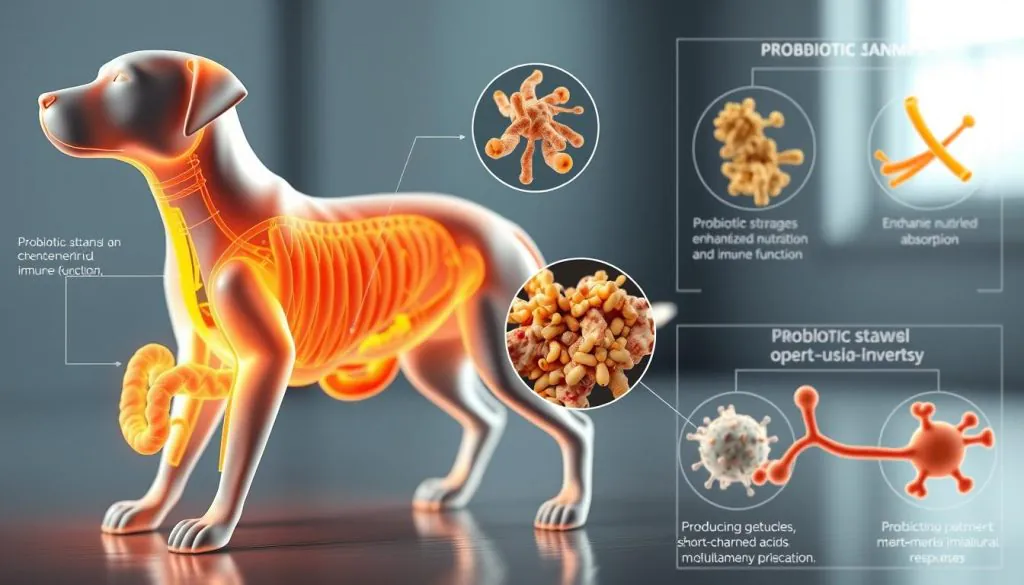
A detailed 3D diagram depicting the key mechanisms by which probiotics work in dogs. In the foreground, a canine digestive system with highlighted gut microbiome components, showcasing the interactions between probiotic bacteria and the host. In the middle ground, microscopic views of probiotic strains colonizing the intestinal lining, enhancing nutrient absorption and immune function. In the background, molecular-level illustrations of probiotic metabolic pathways, producing beneficial short-chain fatty acids and modulating inflammatory responses. Rendered in a clean, technical style with soft lighting and depth of field, conveying a sense of scientific understanding and practical application.

  • Compete with pathogens and reduce overgrowth
  • Make antimicrobial compounds and boost host peptides
  • Strengthen mucins and tight junctions to protect the lining
  • Promote SCFAs that calm inflammation and feed colon cells
Mechanism Effect Practical tip
Colonization resistance Lower pathogen load Use multi-strain blends
Barrier support Stronger mucins and junctions Consistent daily dosing
Immune modulation Higher sIgA, balanced cytokines Choose strains with clinical data
Cross-feeding More SCFA production Pair with prebiotics or a synbiotic

Practical note: a daily powder like DLY Pets can help you support barrier integrity and immune balance over time.

Top Research-Backed Benefits You Might Notice First

Early signs often include firmer stools and reduced flatulence as the gut community rebalances.

Shortened duration of acute diarrhea is one of the most consistent clinical wins. Companion-animal trials show targeted blends can cut the duration by several days, helping your pet return to normal routines sooner.

Less gas and better stool quality often appear next. Yeast-based supplements have reduced harmful E. coli and increased butyrate, which soothes the colon and calms noisy digestion.
A vibrant, detailed scene showcasing the top research-backed benefits of probiotics for dogs. In the foreground, a happy, healthy dog enjoys a probiotic-rich meal, their coat gleaming and eyes full of energy. In the middle ground, various probiotic-rich foods and supplements surround the dog, including yogurt, kefir, and probiotic chews. The background features a warm, inviting interior with natural lighting, suggesting the dog's improved digestion, immune support, and overall well-being. The image conveys a sense of holistic wellness and the powerful impact of probiotics on a dog's health.

These improvements usually link to higher fecal sIgA and shifts in beneficial microbes. Pair supplements with gentle, easily digestible meals to ease transitions during acute episodes.

  • Shorter symptom duration and firmer stools.
  • Less audible gas and calmer appetite.
  • Strain combos can boost mucosal IgA and resilience.
Symptom Expected Benefit Practical Tip
Loose stool / acute diarrhea Shorter duration by several days Start a daily synbiotic and feed bland meals
Excess gas / rumbling Reduced fermentation noise Stick to consistent dosing and avoid sudden diet changes
Soft, watery stool Firmer, more formed stool Use multistrain products with clinical data

DLY Pets is formulated for simple daily use, making it an easy go-to when you want to support stool quality and reduce gas during occasional upsets. Stay consistent for weeks to help maintain gains.

Signs Your Dog May Benefit from Probiotics

Subtle shifts—like more gas, flaky skin, or an irregular potty routine—often signal a gut imbalance.
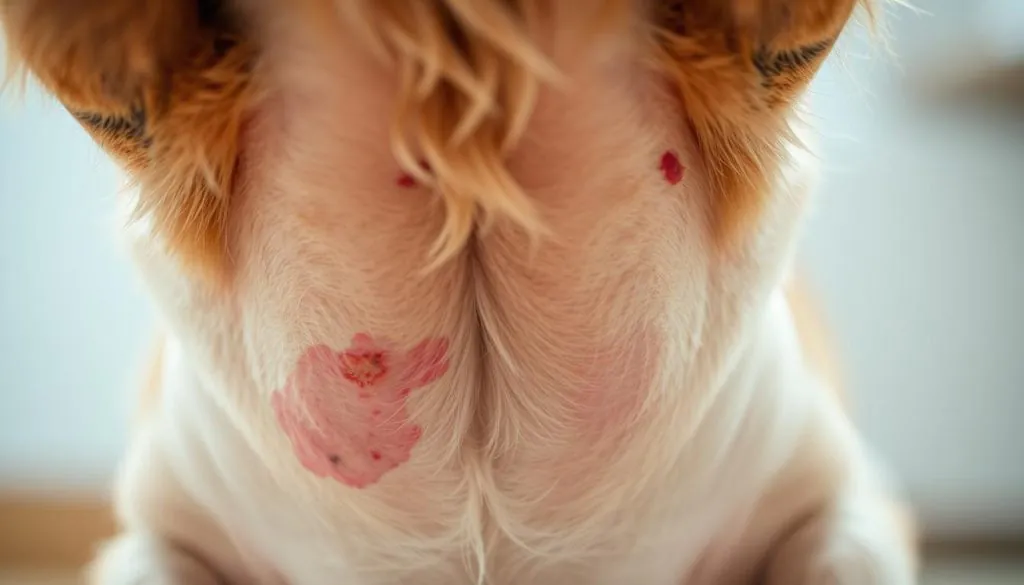
A close-up shot of a dog's belly, showcasing visible signs of digestive distress. The skin is slightly reddened, with a few patches of irritation and discoloration. The fur appears slightly disheveled, hinting at potential abdominal discomfort. The lighting is soft and diffused, creating a warm, empathetic atmosphere that draws the viewer's attention to the dog's subtle expressions. The focus is sharp, allowing for detailed observation of the gut-related symptoms, while the background is gently blurred, keeping the emphasis on the dog's abdomen. The overall mood is one of concern and the desire to better understand the animal's health needs.

Digestive flags

Watch for intermittent diarrhea, constipation, or a change in potty timing. These symptoms often point to a shifting gut community rather than a single cause.

Note: mild, short-lived episodes may respond to diet adjustments and a targeted probiotic at safe daily ranges (commonly 1–10 billion CFU per Cornell guidance).

Skin and ear clues

Itching, dandruff, persistent odor, or repeated ear infection episodes can reflect a broken skin–gut axis. Restoring microbial balance sometimes eases these external signs.

Behavior and stress

Stress and anxiety commonly trigger digestive upset. Supporting gut balance during tense periods may help your pet recover faster.

  • If symptoms are severe, bloody, or ongoing, see your veterinarian first; supplements are supportive, not replacements for a diagnosis.
  • Track changes over several weeks so you and your vet can judge progress.
  • As an easy first step, consider a dog-specific option like DLY Pets mixed with meals, and consult your vet for persistent conditions.

The Gut-Skin-Ear Connection: Itching, Yeast, and Ear Infections

Skin and ear flare-ups often reflect hidden shifts in gut communities and immune signaling. When Malassezia or bacterial otitis appears, gut imbalance can be a contributing factor.

Managing yeast overgrowth by restoring microbial balance

Yeast overgrowth like Malassezia and bacterial ear infections share immune drivers with the gut microbiome. Targeted strains can nudge bacterial communities toward balance and reduce recurrent overgrowth.

Supporting skin barrier function and reducing inflammation

Improved gut balance often parallels better skin comfort. Strengthened barrier function may lower itching, flare-ups, and foul odors as local inflammation falls.
A detailed cross-section illustration of the gut-skin-ear microbiome, showcasing the interconnected ecosystem. The foreground features a magnified view of diverse gut bacteria, yeasts, and microbes, with a vibrant color palette. The middle ground depicts the skin barrier, including the epidermis, dermis, and sebaceous glands, teeming with probiotic and pathogenic microorganisms. In the background, the inner ear canal is visible, highlighting the ear microbiome and its relationship to skin and gut health. The scene is lit with a soft, natural lighting, creating a sense of depth and dimensionality. The overall mood is educational, scientific, and visually striking, conveying the complex interactions within the gut-skin-ear axis.

  • The same immune and microbial signals that shape gut health also influence skin and ears.
  • Restoring balance in the gut complements topical and veterinary care for infections.
  • Consistency matters: visible gains typically take weeks of steady use.
Issue How gut support helps Clinical note
Malassezia dermatitis May reduce recurrence by improving immune tone Use with vet-directed topical therapy
Bacterial otitis Lower inflammation and odor via immune modulation Treat acute infection first, then maintain balance
Chronic itching Supports barrier proteins and reduces flare frequency Assess diet, allergies, and gut health together

Practical note: DLY Pets supports the gut side of the skin–ear axis and can be paired with vet-directed topicals or medications when needed. If you see pain, heavy discharge, or repeated infections, consult your veterinarian and use gut support as part of a full plan.

Kibble, Carbs, and the Microbiome: Why Diet Matters

Kibble-heavy meals change how the gut breaks down carbs, and that can shift fermentation patterns in ways you notice at the bowl.

Dogs are metabolically omnivorous but make less salivary amylase than people. Many dry foods are higher in carbohydrates. That combination can leave more starch for colon microbes to ferment.
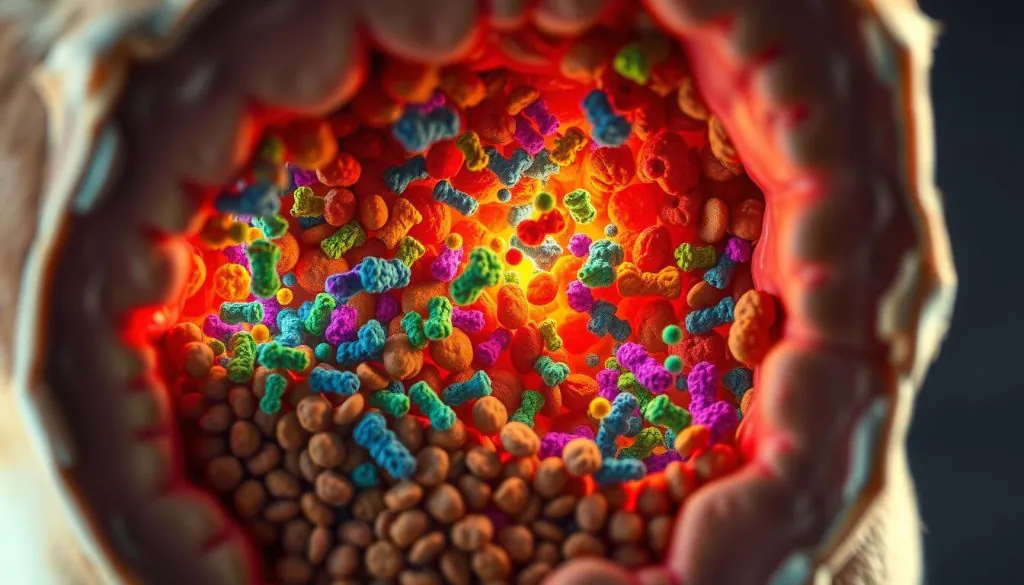
Detailed cross-section of a dog's gut microbiome, with an array of colorful bacterial colonies and microorganisms thriving within a kibble-filled intestinal tract. Illuminated by soft, diffused lighting from above, showcasing the intricate ecosystem of gut flora. Rendered in a highly detailed, scientific illustration style using a wide depth of field to capture the layered complexity. Vibrant hues of blues, greens, and purples dominate, complemented by the earthy tones of the digestive matter. The composition emphasizes the intimate relationship between diet and the delicate microbial balance within a canine's digestive system.

Supplemental probiotic support can guide those fermentation patterns. Targeted strains help raise short-chain fatty acids (SCFAs) and often reduce gas and looser stools by improving microbial balance.

  • Many dry foods contain carbs that challenge digestion due to lower amylase.
  • A well-chosen probiotic may help the gut microbiome process carbs with less gas.
  • SCFA production supports colon health and firmer stool even on carb-heavy meals.
  • Don’t assume kibble includes therapeutic CFUs—supplements often deliver more reliable counts.
  • When you rotate foods, a steady probiotic can smooth transitions and cut digestive bumps.

Practical tip: DLY Pets powder layers easily onto kibble and offers steady support without changing meals. Introduce any dietary or supplement change gradually to avoid short-term upset.

Choosing a Quality Probiotic for Dogs: What to Look For

Picking the right supplement starts with clear labels and strains proven to thrive in a canine gut.

Strains that count

Look for named strains from Lactobacillus, Bifidobacterium, and Enterococcus. These genera are commonly used because they colonize and support mucosal immunity.

CFUs, product quality, and survivability

Check the CFU count per serving and confirm the label guarantees that number through the end of shelf life.
Prioritize products that describe survivability through stomach acid and release into the lower gastrointestinal tract.

Delivery forms: powders, chews, and why many prefer powders

Powders let you dose precisely and mix with meals. Chews are handy but can vary in stability and heat exposure.
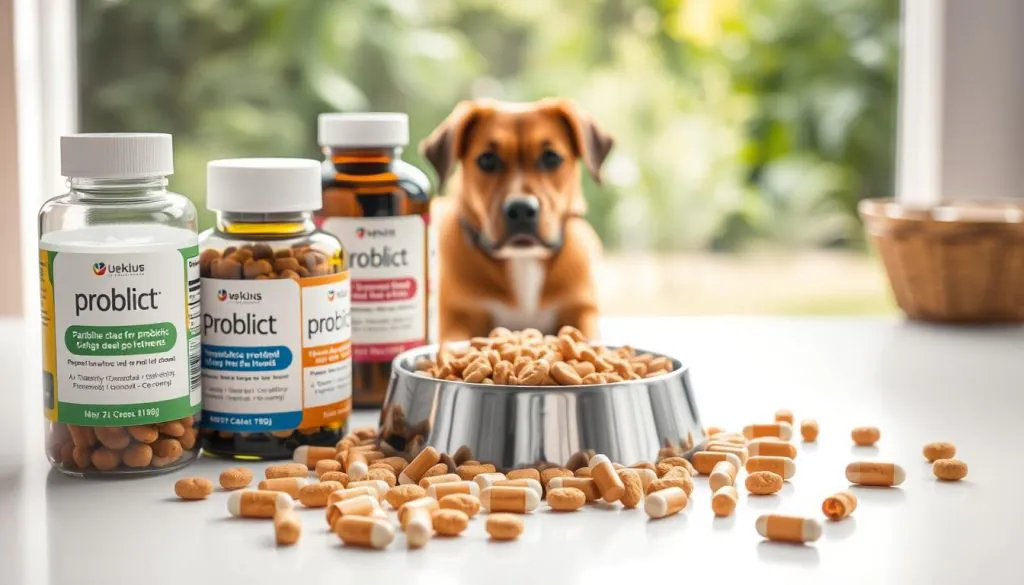
A high-quality probiotic supplement for dogs, meticulously arranged on a clean, bright surface. In the foreground, glass bottles filled with a variety of probiotic strains, their labels prominently displayed. In the middle ground, a dog bowl filled with dry kibble, surrounded by scattered capsules and tablets. In the background, a serene, natural setting with lush greenery and soft, diffused lighting, creating a calming, trustworthy atmosphere. The overall composition conveys the importance of choosing a well-researched, effective probiotic for canine health and wellness.

  • Choose dog-focused strain IDs, not generic names.
  • Verify storage rules—some need refrigeration; others are shelf-stable.
  • Extras like prebiotics can boost survival and growth of beneficial bacteria in the gut.

Tip: DLY Pets is a powder-style probiotic with transparent CFUs and added prebiotics to support steady daily care.

DLY Pets Probiotics for Dogs: Targeted Support for Gut Health

A careful mix of live cultures and nourishing fibers helps beneficial microbes survive and perform in the gut.

Formulation highlights: a synbiotic approach

DLY Pets is a synbiotic powder that combines targeted probiotics with prebiotics to improve microbial survival and function. The formula is designed to raise mucosal defenses like fecal sIgA and support balanced cytokine responses.
A sleek, modern package of DLY Pets probiotics for dogs, resting on a clean, minimalist surface. The container has a glossy, high-quality finish, with the brand name prominently displayed. The packaging design is elegant and eye-catching, conveying a sense of premium quality and targeted health support for canine gut wellness. Soft, directional lighting illuminates the product, creating subtle shadows and highlights that accentuate the product's design. The overall scene has a serene, professional atmosphere, suitable for illustrating the section on DLY Pets probiotics for dogs.

Use cases: digestion, skin/ear comfort, and immune support

The powder is made to ease loose stool, reduce gas, and firm stool quality. It also supports the gut-skin-ear axis to lower recurrence of yeast-driven ear discomfort.

  • Everyday immune support aligns with research-backed benefits such as higher sIgA.
  • Thoughtful strain selection and prebiotic nutrition help colonization and performance.
  • The powder format makes dosing simple—sprinkle and mix with your pet’s meal.
  • Consistent CFUs and clear instructions help you use this product confidently.

Practical note: DLY Pets fits daily routines whether you feed kibble, canned, or mixed diets and aims to support lasting gut health and comfort.

How to Start: Dosage, Timing, and Duration

A simple, steady plan helps your pet adjust and gives you the best chance of seeing benefits.

Begin low and increase slowly. Start with a smaller serving for 2–3 days, then raise the amount until you reach the target CFU range listed on the label.

Daily CFU ranges and introducing gradually

Most adult animals do well around 1–10 billion CFU per day. Move up in steps to avoid transient bloating or loose stool.

When to give with food and how long until you see effects

Give the supplement with meals to buffer stomach acid and boost survivability into the intestine. Early wins like less gas and firmer stool can show in days.

Stronger, lasting benefits usually need consistent use over a 2–4 week duration. If you change diet, start the product a few days before the switch to ease transition.
A photograph of a dog's paw with a handful of probiotic capsules or tablets in the foreground, set against a blurred background of a veterinary examination table or clinic setting. The lighting is soft and natural, creating a calm, informative atmosphere. The angle is slightly elevated, emphasizing the dog's paw and the probiotic dosage. The image conveys a sense of care, expertise, and attention to detail in administering the appropriate probiotic supplement for the dog's health and well-being.

“Start slowly, pair with meals, and stay consistent — the microbiome responds to steady care.”

Step Action Tip
Intro Small amount 2–3 days Watch stool and gas
Titrate Increase to target CFU Follow label by weight
Maintain Daily with meals Use for several weeks
  • Sensitive pets: split the daily serving between breakfast and dinner.
  • Medications or illness: consult your veterinarian before starting supplements.
  • DLY Pets: powder format makes gradual titration and steady dosing simple.

Puppies vs. Adults: Life Stage Considerations

Puppyhood is a high-impact window when microbes influence growth, immunity, and digestion. Early microbial signals help shape long-term gut balance and how your pet handles nutrients during rapid growth.

Establishing a healthy microbiome early

Puppies build their gut community from scratch. That makes early support especially meaningful during weaning and training.

Balanced microbes help educate the developing immune system and support steady digestion. This can reduce loose stools during diet changes and ease transitions when you introduce new food or environments.
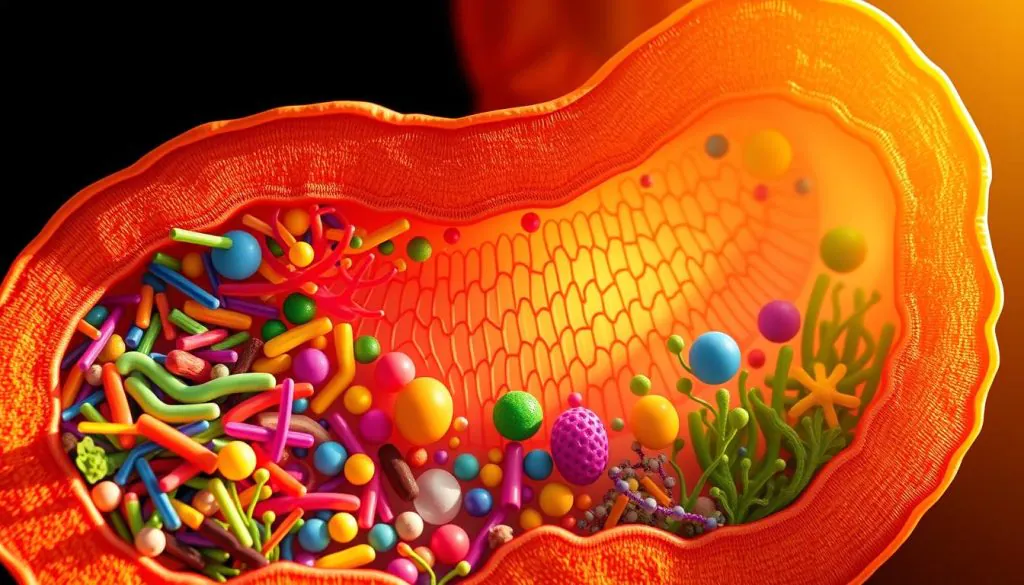
A vibrant, cross-sectional illustration of a puppy's gut microbiome. In the foreground, a detailed rendering of diverse gut flora - colorful, rod-shaped bacteria, spherical probiotics, and other microorganisms thriving in a lush, textured intestinal environment. The middle ground showcases the intricate network of intestinal villi, delicately rendered with a soft, diffused light. In the background, a subtly patterned, semi-transparent layer depicts the overall gut structure, providing context and depth. The scene is illuminated by a warm, natural lighting that casts gentle shadows, creating a sense of depth and dimensionality. The overall mood is one of scientific curiosity and wonder, inviting the viewer to explore the hidden world within a puppy's developing digestive system.

  • Puppies are forming a resilient gut that affects lifelong health and growth.
  • Better nutrient handling supports steady energy and comfortable potty habits.
  • Adults benefit too—stress, travel, boarding, or antibiotics can upset the same balance.

Work with your veterinarian on puppy-specific dosing, especially for tiny or medically fragile breeds. With vet guidance, a gentle daily powder such as DLY Pets can help maintain continuity as your pup meets new foods and people.

For practical guidance on choosing products, see this AKC guide on choosing probiotics.

Probiotics vs. Prebiotics vs. Synbiotics: What’s the Difference?

A synbiotic blends active cultures and nourishing fibers so the microbes you add have the fuel they need.

Feeding beneficial bacteria for better growth and balance

Probiotics are live strains you give to support gut health. Prebiotics are fermentable fibers that feed those strains and the microbes already in your pet’s gut.

Synbiotics combine both. That pairing often boosts short-chain fatty acid production and helps create a steadier gut balance. You’ll see fewer swings during diet changes and stress.

Probiotics, prebiotics, and their harmonious balance. A serene scene showcasing glass jars filled with vibrant probiotic cultures and prebiotic-rich ingredients like oats, wheat bran, and Jerusalem artichokes. Soft, natural lighting illuminates the arrangement, casting gentle shadows and highlighting the organic textures. In the background, a soothing gradient of earthy tones, evoking the nourishing, gut-friendly properties of these essential elements. The overall composition conveys a sense of balance, wellness, and the synergistic relationship between these complementary gut health boosters.

  • Probiotics add helpful microbes; prebiotics feed them.
  • Feeding beneficial bacteria helps them outcompete less desirable species and make protective metabolites.
  • Prebiotics favor SCFA producers that support barrier integrity and calm inflammation.

Practical note: DLY Pets is a synbiotic powder that pairs targeted strains with named fibers to simplify daily care and support lasting gut balance. Over time, better balance means more comfortable digestion and a happier companion.

Safety, Side Effects, and When to Call Your Vet

Mild digestive shifts are common when you introduce new microbial supplements, and they usually settle in a few days. Brief gassiness, slight bloating, or softer stool can happen as the gut community adapts.

How to manage normal adjustments: start with a smaller amount, increase slowly, and give the product with a meal. If sensitivity appears, pause or lower the dose until your pet settles.

A sterile, well-lit laboratory setting with modern equipment and glassware. In the foreground, a scientist in a white lab coat examines a test tube filled with a probiotic solution, a thoughtful expression on their face. The middle ground showcases various probiotic supplements, neatly arranged on a clean, stainless steel counter. The background features medical charts and diagrams, providing a sense of scientific authority and expertise. The overall mood is one of professionalism, safety, and diligent research, reflecting the importance of understanding the potential side effects and proper usage of probiotics for canine health.

Red flags and when to seek help

  • Blood in stool, persistent vomiting, fever, or severe pain — call your veterinarian right away.
  • Diarrhea lasting more than a couple of days needs professional evaluation.
  • If your companion is immunosuppressed or has major underlying conditions, get vet guidance before starting any supplement.

Avoid human products: some contain sweeteners like xylitol or fillers that are unsafe. Use dog-focused products with clear strain names and storage directions.

“Supplements support treatment but are not replacements for prescribed medicines.”

Choose a tailored option such as DLY Pets, which is formulated for dogs and can be introduced gently to reduce adjustment bumps. When symptoms are severe, contact your vet — quick action protects health and prevents complications.

What the Science Says About the Canine Gut Microbiome Today

Sequencing of stool samples highlights the microbial cast that supports a resilient gut and the players that increase with infection.

Key bacterial groups and how they shift with disease

Healthy profiles tend to include Firmicutes, Bacteroidetes, Fusobacteria, Proteobacteria, and Actinobacteria. SCFA producers such as Faecalibacterium and Blautia are common and help nourish the colon.

When illness appears, overall diversity often falls. Firmicutes and butyrate makers drop while Proteobacteria can rise. Chronic enteropathy often shows less Faecalibacterium and overgrowth of Clostridium perfringens, which undermines barrier function.

Practical takeaway: targeted probiotics can nudge the ecosystem back toward SCFA producers and lower opportunistic overgrowth. You can’t micromanage each genus at home, but daily, dog-specific support helps guide the trend.

A vibrant microscopic landscape depicting the diverse microbial inhabitants of the canine gut. In the foreground, a dynamic array of colorful bacterial cells, their intricate structures and shapes visible under the lens. In the middle ground, a network of interconnected microbiomes, their interactions and symbiotic relationships on full display. The background features a softly blurred, almost ethereal backdrop, hinting at the complex and mysterious nature of the gut microbiome. Warm, natural lighting illuminates the scene, casting a gentle glow and conveying a sense of wonder and scientific inquiry. The composition is balanced, with a focus on the microbial diversity and the intricate web of life thriving within the canine digestive system.

  • Healthy microbiome: diversity and SCFA production support barrier and immune balance.
  • Disease shifts: less butyrate, more Proteobacteria, and higher inflammation risk.
  • Influencers: diet, stress, antibiotics, and age alter the community.
Group Role When it shifts
Faecalibacterium / Blautia Butyrate production Falls in chronic disease
Proteobacteria Opportunistic growth Rises with dysbiosis
Firmicutes Community stability Often reduced in illness

“Watch stool quality and comfort; these are the clearest signals your pet’s gut is shifting.”

DLY Pets offers a straightforward synbiotic approach that aligns with features seen in healthy canine profiles and helps you support lasting gut health.

Conclusion

, A clear, steady plan can turn small gut shifts into lasting comfort for your pet.

Probiotics modulate the microbiota, strengthen the intestinal barrier, and support immune balance. Clinical data link targeted use to shorter episodes of diarrhea and firmer stool when given at safe CFU ranges (typically 1–10 billion daily).

Results depend on strains, consistent dosing, and gradual introduction. Pair supplements with a sensible diet and routine vet care to get the most health gains over weeks.

Practical pick: choose a dog-specific powder you can add at mealtime. DLY Pets probiotics for dogs offers a research-aligned synbiotic option that makes daily support simple and reliable.

FAQ

Do supplements with beneficial bacteria and yeast help my dog’s gut?

Yes — many veterinary studies show targeted supplements can improve stool consistency, shorten bouts of acute diarrhea, and support digestion. Benefits depend on the strain, dose (CFU), and how the product survives stomach acid to reach the lower gastrointestinal tract. Look for formulations tested in companion-animal research.

Which strains should I look for to support digestion and immunity?

Strains with evidence in dogs include certain Lactobacillus, Bifidobacterium, and Enterococcus species. These groups help crowd out harmful bacteria, boost sIgA and other immune responses, and support nutrient absorption. Choose products that list strain IDs and CFU counts at expiry, not just at manufacture.

How quickly will I see changes after starting a supplement?

Some owners notice firmer stools, reduced gas, or calmer tummies within a few days. For immune or chronic skin and ear issues, expect 4–8 weeks before meaningful change. Always introduce gradually and monitor for improvement or any adverse reactions.

Can supplements stop yeast or ear infections?

They can help by restoring microbial balance and reducing yeast overgrowth that worsens skin and ear conditions, but they’re not a replacement for targeted medical therapy when infection is advanced. Use them as part of a plan with your veterinarian to support the skin barrier and reduce inflammation.

Are human probiotic products safe or effective to give my pet?

Human products aren’t ideal. Strain selection, dose, and formulation differ between species. Many human blends don’t colonize the canine gut or provide appropriate CFUs. Choose veterinary-formulated products or those with published data in dogs.

Should I pick a powder, chew, or capsule?

Delivery matters. Powders often mix easily with food and can contain higher stable counts; chews improve compliance. The key is survivability to the lower gut and product quality. Pick a form your pet will accept and a brand with transparent testing and storage guidance.

What role do prebiotics play alongside beneficial bacteria?

Prebiotics feed beneficial microbes and enhance growth of helpful species, creating a synbiotic effect when paired with live cultures. Ingredients like short-chain fibers support cross-feeding and production of SCFAs that protect intestinal cells and promote nutrient absorption.

Can supplements help puppies differently than adults?

Yes. Puppies are establishing their microbiome and can benefit from early support to promote balanced gut communities, better digestion, and immune development. Doses and strain choices should suit life stage; consult your veterinarian for puppy-specific products.

How long should I keep giving a supplement?

For short-term issues like antibiotic-associated diarrhea, a course of days to weeks may suffice. For chronic skin, ear, or recurrent GI problems, ongoing support for months or long term can help maintain balance. Reassess with your vet if there’s no improvement after an appropriate trial.

What side effects or red flags should I watch for?

Mild, temporary increases in gas or softer stools can occur as the microbiome adjusts. Stop use and call your veterinarian if your pet develops worsening diarrhea, vomiting, significant lethargy, or signs of systemic illness. Pets with severe immune suppression require veterinary guidance before use.

How does diet interact with microbial supplements?

Diet shapes the microbial community. High-carb or certain dry foods influence which bacteria flourish. Supplements work best alongside a balanced diet and, when needed, nutrition adjustments. Prebiotic ingredients in food or supplements support beneficial growth and SCFA production.

What should I check on a product label to judge quality?

Look for strain-level IDs, CFU at expiry, third-party testing, storage instructions, and evidence of survivability to the lower GI tract. Brands that publish companion-animal studies, manufacturing standards, and batch testing provide more reliable results.

Can these supplements reduce antibiotic side effects?

Targeted supplements can reduce the duration and severity of antibiotic-associated diarrhea by supporting recolonization and preventing overgrowth of opportunistic organisms. Give as directed by your veterinarian, often starting during or immediately after antibiotic therapy.

Will a supplement replace medical treatment for chronic conditions?

No. Supplements are supportive, not curative. They help restore balance and may reduce symptoms, but persistent infections, severe inflammation, or systemic disease need diagnosis and treatment from your veterinarian. Use supplements as part of a comprehensive plan.

How do I pick a trustworthy brand or product?

Choose brands with transparent ingredient lists, strain IDs, CFU guarantees, and third-party verification. Veterinary-recommended lines and products with published clinical data in pets are preferable. Avoid vague marketing claims without supporting research.
Picture of long

long

August 18, 2025

Share this post