🐶 10% Off Your First Order Code “WELCOME10”

probiotics for puppies

Probiotics for Puppies vs. Adult Dogs: Key Differences

Surprising fact: up to 70% of a dog’s immune cells live in the gut, so tiny microbes can shape big outcomes for your pet’s health.

You want clear guidance on how supplements fit into your pup’s routine and how needs change as they grow. This intro gives a quick, honest overview so you can choose with confidence.

We define probiotics simply: live bacteria and yeasts that support digestion, nutrient absorption, and a balanced gut. They are measured in CFUs, which estimate viable cells; the right number depends on life stage and goals.

Later, you’ll see side-by-side differences between puppy-friendly strains and adult-focused blends. We’ll also point you to trusted products, including DLY Pets probiotics for dogs, which emphasize gentle CFUs and age-appropriate strains.

Key Takeaways

  • You’ll learn how supplements help digestion, skin, and overall canine health.
  • CFUs matter: potency should match age and condition.
  • Puppy strains and adult strains are not always the same.
  • Use supplements alongside veterinary medicine, not as a replacement.
  • Look for reputable products and clear labels when you shop.

Why Probiotics Matter for Puppies and Adult Dogs in the United States Today

Because up to 70% of immunity sits in the digestive tract, targeted daily care pays off. Adding the right supplement helps shape local acidity and encourages short-chain fatty acids that make it harder for harmful bacteria to take hold.

A vibrant, detailed illustration of the gut immune system in the form of cartoon dogs. In the foreground, a pack of playful, anthropomorphized canines representing various immune cells: a stocky bulldog as a macrophage, a sleek greyhound as a lymphocyte, and a shaggy terrier as a dendritic cell. In the middle ground, the dogs interact with a stylized intestinal tract, sniffing and exploring its winding pathways. The background features a warm, golden-hued landscape, with rolling hills and a cloudless sky, conveying a sense of health and vitality. The scene is bathed in soft, diffused lighting, creating a whimsical, educational atmosphere.

In the U.S. today, modern stressors—travel, boarding, moves, or diet shifts—raise the chance of diarrhea and mild gastrointestinal upset. A study-led approach and transparent labeling matter most: look for exact species and strains, CFU counts, a live-organism guarantee, and a clear expiration date.

Daily dosing in the recommended 1–10 billion CFU range can support a healthy gut and the immune system that lives there. Choose convenient, palatable products that fit routine care; DLY Pets probiotics for dogs are designed to be simple to give during regular wellness or before a stressful event.

  • You support the immune system where it lives most—inside the gastrointestinal tract.
  • Good products normalize gut conditions and discourage harmful bacteria by competing for resources.
  • Use supplements proactively around travel or boarding to reduce post-stress tummy trouble.

For an evidence-based primer on probiotic benefits and study-backed strain choices, see this guide from Cornell on canine gut health.

How Puppies’ Guts Differ from Adults: Microbiome, Growth, and Immune Development

A puppy’s digestive ecosystem is changing fast, which affects nutrient uptake and immune tuning. Young dogs need steady support as their gut and immune systems mature.
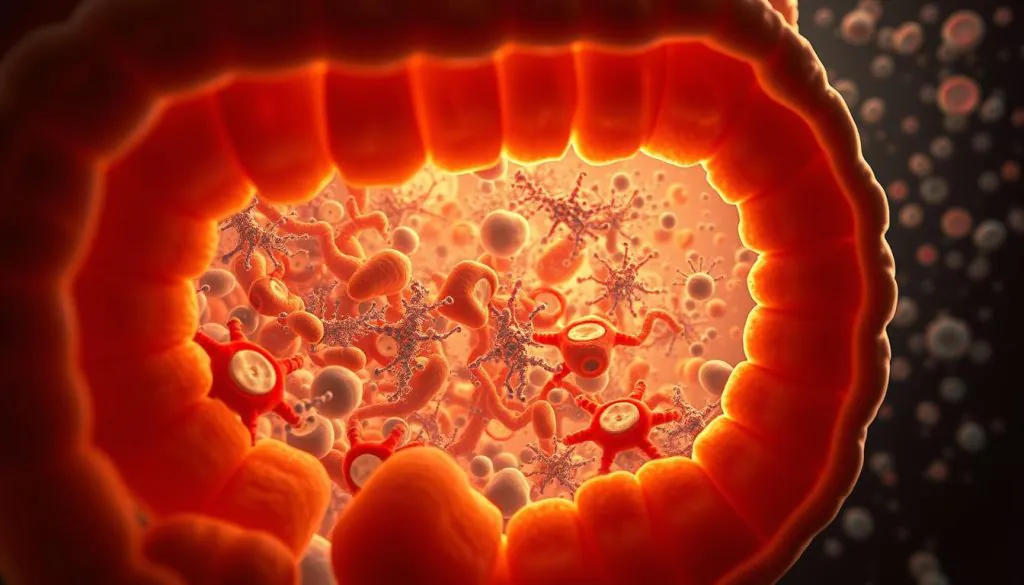
A detailed cross-section of a puppy's intestinal tract, showcasing the intricate network of digestive organs, microbiome, and immune cells. The foreground depicts the intestinal lining, with villi and microvilli visible under a high-magnification microscope lens. The middle ground highlights the diverse gut bacteria, both beneficial and pathogenic, thriving in the nutrient-rich environment. In the background, lymphoid follicles and immune cells, such as T cells and B cells, are shown actively monitoring and responding to the gut's microbiome. The lighting is warm and soft, creating a sense of scientific exploration and discovery. The overall mood is one of curiosity and understanding of the vital role the gut plays in a puppy's development and health.

Immature immune system and the 70% gut-immune connection

About 70% of the immune system lives in the gastrointestinal tract, so early balance matters. An immature immune response means your young dog may get loose stool during vaccinations, teething, or moves.

“Early gut care can set the stage for lifelong digestive resilience.”

Common triggers: diet changes, stress, and infections

Diet switches, new environments, and training stress often disrupt gut bacteria and microorganisms. That can reduce nutrient absorption during rapid growth.

  • Diet transitions may cause soft stool.
  • Stress and new surroundings disturb the digestive tract.
  • Study-backed strains can help stabilize bacteria and stool.
Trigger Impact Practical tip
Food change Loose stool, poor absorption Slow transition; consider gentle supplements
Travel or boarding Stress-related upset Short course of proven products before travel
Early infections Microbial imbalance Ask your vet about age-appropriate options like DLY Pets probiotics for dogs

Core Benefits You Can Expect from Dog Probiotics

When you add the right supplement to your dog’s routine, you can expect clearer gains in digestion, immune balance, behavior, and skin health. Below are the practical benefits many owners report after daily use.

Digestive support: diarrhea, loose stool, gas, and stool quality

Digestive relief is the most immediate payoff. These supplements help firm loose stool, reduce episodes of diarrhea, and ease gas during diet changes or travel.

Lactobacillus acidophilus is often noted for improving stool quality and regularity. Strains like B. animalis AHC7 and S. boulardii can help with acute upset.

Immune support: balancing harmful bacteria and inflammation

By competing with harmful bacteria and shifting local acidity, live strains normalize the gut environment. Because much of the immune system lives in the gut tract, this balance can reduce low-level inflammation and support daily health.

Behavioral wellness: the gut-brain axis and anxiety support

Some strains, including BL999 (Bifidobacterium longum), show promise in easing anxiety-linked behaviors. A steadier gut can lead to calmer responses during training, boarding, or vet visits.

Skin and coat: itching, odor, and shedding improvements

Improvements in the microbiome often show up on the outside. When the gut is balanced, many dogs have less itching, milder odor, and reduced shedding over time.

  • Digestive support you can feel: reduced diarrhea and firmer stool.
  • Immune balance: fewer bad bacteria and less day-to-day inflammation.
  • Behavioral benefit: potential anxiety relief via the gut-brain link.
  • Skin gains: calmer skin, better odor control, and less shedding.

Tip: Choose gentle, evidence-led options like DLY Pets probiotics for dogs when addressing loose stool or mild skin issues during transitions. Pair daily use with a steady diet and fresh water for best results.

probiotics for puppies: What to Look For vs. Adult Dog Needs

Different life stages demand different bacterial allies. When you pick a supplement, match the strain to the outcome you want: stool quality, immune support, or calming gut-brain effects.
A vibrant close-up photograph of several probiotic strains, each with distinct shapes and colors, against a soft, out-of-focus background. The bacterial cultures are shown in a petri dish or glass container, illuminated by warm, natural lighting that creates a sense of depth and texture. The image emphasizes the diversity and complexity of the probiotic microbes, conveying the idea of a healthy gut ecosystem for puppies and adult dogs. The composition is balanced, with the foreground elements in sharp focus and the background gently blurred, drawing the viewer's attention to the essential details.

Strain selection for young dogs

Look for gentle, well-studied strains such as Lactobacillus acidophilus and Bifidobacterium animalis. These help with digestion and can ease transition-related loose stool.

BL999 is often included to support anxiety-linked digestive responses during training or travel.

Adult-focused strain choices

Adult formulas commonly use Enterococcus faecium SF68, Saccharomyces boulardii, and L. plantarum. These tend to target enteropathies and faster recovery from diarrhea.

CFU guidance by life stage and condition severity

Daily dosing generally falls in the 1–10 billion CFUs range. Start at the lower end for maintenance and sensitive young dogs, and move upward within that range during flare-ups under veterinary guidance.

  • Units and number clarity matter: choose labels showing total CFUs per serving and counts at end of shelf life.
  • Exact species/strain names: avoid vague labels that only list genus.
  • Match strain to goal: stool quality, diet-change support, or anxiety-linked gut issues.

Tip: Puppy picks like DLY Pets probiotics for dogs pair gentle CFUs with complementary prebiotics to support daily balance. For more background on choosing age-appropriate products, see this probiotic benefits and best practices.

Decoding Labels: CFUs, Strains, and Quality Indicators That Actually Matter

The number on the bottle is just the beginning. You need clear CFU labeling, exact strain names, and proof that live cultures survive until the expiration date.

A high-quality, close-up image of colony-forming units (CFUs) under a microscope lens, showcasing the intricate structures and patterns of beneficial probiotic bacteria. The CFUs should be clearly visible, with a crisp, well-lit focus that emphasizes their size, shape, and distribution. The background should be clean and neutral, allowing the CFUs to stand out prominently. Capture the scientific nature of the subject, conveying a sense of analytical precision and attention to detail. Utilize a shallow depth of field to create a sense of depth and focus the viewer's attention on the key elements. The overall mood should be one of technical clarity and informative illustration, suitable for educating readers about the importance of CFUs in probiotic products for pets.

CFUs per serving and potency over time

Aim for 1–10 billion CFUs per day as a general guideline. Match the dose to your dog’s size and whether you seek maintenance or help during diarrhea.

Species, strain names, and evidence

Demand exact species and strain IDs like Enterococcus faecium SF68 or Bifidobacterium animalis AHC7. These names let you check any supporting study and confirm targeted benefits.

Stability, expiration, and U.S. standards

Look for a live-organism guarantee through the expiration date and a clear storage statement. U.S. manufacturing, GMP or NASC compliance, and third-party testing are strong quality cues.

  • State CFUs per serving at expiration, not just at manufacture.
  • Powders often resist heat and humidity better than chews.
  • Products should list contact info and documentation on request.
Label item Why it matters What to check Practical tip
CFUs at expiry Shows real potency Number per serving at end of shelf life Choose products with clear CFU counts
Exact strain IDs Benefits are strain-specific Species and strain code present Research the strain’s study backing
Manufacturing & testing Assures identity and potency GMP/NASC and third-party results Prefer U.S.-made items with certificates
Storage instructions Preserves microorganisms Temperature and humidity guidance Store as recommended; powders often last longer

Tip: Consider DLY Pets probiotics for dogs when you want clear CFU labeling, puppy-friendly CFUs, and U.S.-standard quality assurance.

Forms That Fit Your Dog’s Routine: Powders, Chews, Capsules, and More

Pick a format that preserves potency in your local environment and fits mealtimes. The delivery form you choose affects stability, dosing, and how easy it is to give daily.

A well-lit still life scene depicting an arrangement of various pet supplement forms. In the foreground, an array of vibrant powder sachets, chews, and capsules in an array of colors and shapes. In the middle ground, a sleek glass container with a scoop of powder and a few soft chews spilling out. In the background, a backdrop of natural textures like wood or stone, creating a warm, inviting atmosphere. The lighting is soft and directional, casting gentle shadows that accentuate the three-dimensional forms. The composition is balanced and visually appealing, showcasing the diversity of supplement options for dogs of all ages.

When powders shine

Powders often provide the best balance of stability and precise dosing. They stay drier than soft chews and resist heat and humidity better, which helps protect potency across the shelf life.

Powder mixes also let you fine-tune portions if your dog is small or sensitive. For easy daily use, consider DLY Pets probiotics for dogs in powder form. Mixing into a little wet food makes administration simple.

Making supplements palatable

Most dogs accept powdered mixes when blended into a tasty spoonful of food. If your pet is picky, try a capsule tucked into a soft treat or hide it in a bit of chicken.

“Powders suit home routines; capsules and chews are handy for travel and boarding.”

  • Powders = best stability and accurate dosing, ideal for small dogs and sensitive cases.
  • In warm or humid climates, powders retain viability better than soft chews.
  • Chews are convenient—confirm CFU counts and quality through expiration.
  • When you switch forms, watch stool and comfort for 7–10 days and adjust dosing.
  • Store all supplements in a cool, dry place and follow label guidance.

Tip: Choose a delivery method that matches your routine and environment, and pick brands with clear strain IDs and stability claims to protect results.

Product Roundup: Best Probiotics for Puppies

A good formula eases transitions and builds resilience. Below are top picks and practical notes to help you choose a reliable option for young dogs.

A well-lit, closeup product shot of an assortment of high-quality probiotic supplements for puppies, arranged artfully on a soft, neutral-colored surface. The supplements are displayed in various containers like bottles, jars, and sachets, showcasing their diverse forms. The scene conveys a sense of health, purity, and quality, with a crisp, clean aesthetic that aligns with the topic of the article. The lighting is soft and diffused, creating gentle shadows and highlights that accentuate the product details. The angle is slightly elevated, providing an inviting, almost eye-level perspective.

DLY Pets Probiotics for Dogs: Gentle CFUs and prebiotic support

DLY Pets offers a puppy-forward blend with gentle CFUs, known strains like L. acidophilus and B. animalis (AHC7), plus prebiotic fiber to feed good bacteria. It targets loose stool and aids recovery during diet changes.

Evidence-led picks and what to watch

  • Clear CFU counts: choose labels that list 1–10 billion per daily serving and guarantee live organisms at expiry.
  • Strain names matter: L. acidophilus and B. animalis support stool quality; BL999 can help stress-linked behavior.
  • Form and stability: powders mix into food easily and keep quality in warm climates.
  • Practical use: start low, raise dose over 7–10 days, and track stool, appetite, and stress events in a short journal.

Consult your vet if diarrhea lasts over 48 hours; use supplements alongside professional care.

Product Roundup: Best Probiotics for Adult Dogs

Adult dogs benefit from steady microbial support that keeps digestion and skin health stable. Pick a daily mix that matches your dog’s lifestyle and steps up during stress, travel, or antibiotic recovery.

A well-lit, high-quality photograph of an assortment of probiotics supplements for adult dogs, arranged neatly on a clean, neutral-colored background. The products should be clearly visible, showcasing their bottles, labels, and key ingredients. Capture the supplements from a frontal angle, using a shallow depth of field to emphasize the focal point. The lighting should be soft and even, creating a professional, appealing atmosphere. The overall composition should be balanced and visually appealing, highlighting the diverse range of probiotics options available for mature canine companions.

Daily maintenance for gut and immune health

Look for blends with Enterococcus faecium SF68 and L. plantarum. These strains help steady digestion and offer immune support when given daily at maintenance doses.

Targeted relief: diarrhea, skin conditions, and anxiety-prone adults

Saccharomyces boulardii works well during diarrhea flare-ups and diet shifts. BL999 may ease anxiety-linked behaviors that often worsen tummy upset.

  • Maintenance: choose evidence-led products that list strain IDs and study references.
  • Acute relief: S. boulardii or Proviable-like blends speed stool normalization.
  • Skin & inflammation: pick formulas that include prebiotics and strains tied to reduced inflammation.
  • Mixed homes: use a single daily option across ages; consider DLY Pets maintenance blend to simplify dosing.

“A steady daily routine often prevents small issues from becoming clinic visits.”

Use maintenance dosing every day and increase within the 1–10 billion CFU range during upset. Watch infections or recurring problems and consult your vet if symptoms persist.

Prebiotics and Postbiotics: The Team Behind a Healthy Gut Environment

Think of prebiotics as fuel and postbiotics as backup — both boost daily digestive resilience.
Detailed close-up of various prebiotic fibers and compounds against a clean, minimalist background. Soft, warm lighting illuminates the textures and structures of the prebiotics, including inulin, galacto-oligosaccharides, and resistant starches. The composition emphasizes the interconnected, symbiotic nature of these gut-supporting nutrients, conveying a sense of harmony and balance essential for a healthy microbiome. Crisp focus and a shallow depth of field draw the viewer's attention to the intricate details of the prebiotics, inviting deeper examination and appreciation of their role in canine digestive wellness.

Prebiotics as fuel: fiber that feeds good bacteria

Prebiotics are fibers that feed beneficial bacteria in the gut. They help live strains colonize and perform more consistently each day.

Postbiotics and why “dead” probiotics can still help

Postbiotics are inactivated cells and metabolic byproducts. They can aid the digestive tract and immune responses even when live counts dip during shipping or storage.

  • Synbiotic combos (prebiotics + probiotics) often give stronger, faster results during travel or diet changes.
  • Powder formats with prebiotic fiber resist heat and moisture better, so they preserve potency.
  • Pairing lactobacillus-based strains with prebiotics supports firmer stool and steadier gastrointestinal tract function.

“Feeding gut bacteria what they need is the simplest route to a healthier, more resilient digestive system.”

Element Role Practical note
Prebiotics Fuel for good microorganisms Helps probiotics colonize; found in fiber blends
Postbiotics Metabolic support and immune signals Helpful when live counts vary; adds resilience
Powder form Stability and easy dosing Resists heat/humidity; mixes into meals
Synbiotic approach Combined benefit DLY Pets probiotics for dogs include prebiotics to enhance daily results

Safe Use, Dosing, and When to Talk to Your Veterinarian

A well-lit, close-up photograph of various probiotic supplements for dogs, arranged neatly on a clean, light-colored surface. The supplements should be in different forms, such as capsules, powders, and chews, showcasing the diversity of available options. The image should have a crisp, professional appearance, with a shallow depth of field to emphasize the products. The lighting should be soft and diffused, creating a warm, inviting atmosphere. The overall composition should convey a sense of safety, reliability, and attention to detail, reflecting the "safe dosing" aspect of the topic.

Start with a clear plan so you can watch how your dog responds. Begin at a low daily CFU serving and increase slowly over 7–10 days. That helps you find a comfortable unit that limits upset.

Starting doses, ramp-up schedules, and monitoring stool

Typical safe range: 1–10 billion cfus per day. Use lower amounts for maintenance and higher amounts briefly during active diarrhea or after antibiotics.

Track stool, appetite, and energy. Steady improvement usually means the dose is right.

Side effects, contraindications, and immunocompromised dogs

Watch for gas, bloating, loose stool, or itching. If problems persist, reduce dose or pause and contact veterinary medicine.

Severely immunocompromised pets should only use these supplements under vet supervision due to rare infection risk.

Using supplements proactively for stress, travel, boarding, or food changes

Start several days before travel or a major food change. Powders mix into food easily; capsules hide in treats.

Action When What to watch
Start low Day 1–3 stool consistency, appetite
Ramp slowly Day 4–10 energy, minor gas
Increase briefly Active diarrhea improvement in 48–72 hours
Call vet Persistent symptoms fever, blood, severe lethargy

“Treat these products as supplements, not replacement disease treatment.”

Tip: Begin with DLY Pets probiotics for dogs at a low dose and ramp to tolerance. Keep notes on brand, dose, and response to share during checkups and study-aligned adjustments with your veterinarian.

Conclusion

A clear plan—right strain, sensible CFUs, and steady dosing—lets you protect your dog’s digestion and immune system.

Daily use of targeted probiotics at the recommended 1–10 billion CFUs per day can boost gut balance, curb diarrhea, and help the body fight infections. Check labels for exact strain names, CFU counts at expiry, and U.S. quality marks before you buy.

Choose a product that includes prebiotic support to build a healthy gut foundation and use higher CFUs short term during flare-ups while you consult your veterinarian.

Consider DLY Pets reviews when comparing options; then start low, monitor stool and energy, and partner with your vet for tailored canine health care.

FAQ

What’s the main difference between supplements for young dogs and those made for adults?

Young dogs have a developing gut and immune system, so you should choose formulations with gentler strains and lower CFU counts appropriate for growth. Adult products often include higher CFUs and strains targeted at chronic issues like recurring diarrhea, skin inflammation, or anxiety-related gut disturbances. Look for clear strain IDs and dosing guidance by life stage.

Why do these supplements matter for puppies and adult dogs in the United States today?

Modern diets, frequent travel, and stressors like boarding or shelter stays can disrupt gut bacteria. Supporting a healthy digestive tract helps reduce loose stool, supports immune function, and can ease skin or behavioral problems. U.S. manufacturing standards and label transparency make it easier to find quality products that meet your dog’s needs.

How does a puppy’s gut differ from an adult dog’s microbiome?

A puppy’s microbiome is still establishing. The immune system is immature and closely tied to gut health—about 70% of immune interactions happen through the digestive tract. This means puppies are more sensitive to diet changes, environmental stress, and infections, which can quickly show up as loose stool or poor weight gain.

What common triggers upset a puppy’s gut?

Rapid diet switches, stress from travel or new homes, vaccinations, and exposure to pathogens are typical triggers. These can shift the balance of beneficial and harmful bacteria and lead to diarrhea, gas, or decreased appetite.

What core benefits can you expect from giving your dog a daily supplement?

You can expect better stool quality and fewer episodes of diarrhea, improved immune resilience against harmful bacteria and inflammation, potential calming effects via the gut-brain axis, and healthier skin and coat with reduced itching and odor. Results vary with strain choice and consistency.

Which strains are best for young dogs versus adult dogs?

For young dogs, look for gentle, well-studied strains such as Lactobacillus acidophilus and Bifidobacterium animalis that support early immune development. Adult-focused formulas often include Enterococcus faecium SF68, Saccharomyces boulardii, and Lactobacillus plantarum for maintenance and targeted issues like recurring diarrhea or skin conditions.

How many CFUs should I aim for at different life stages?

Typical guidance ranges from 1–10 billion CFU per day depending on age and condition severity. Puppies and novice users often start at the lower end, while adults with chronic issues may need higher doses. Always follow product-specific instructions and consult your veterinarian if in doubt.

What label details actually matter when you shop?

Demand exact species and strain names, a CFU count at expiration or guaranteed potency, stability/storage instructions, and a clear expiration date. Prefer U.S.-manufactured products or third-party tested supplements that list complete strain information and manufacturing standards.

Which product forms tend to work best for dosing and palatability?

Powders are great for flexible dosing and mixing into food, especially for small dogs. Chews and treats improve compliance for picky eaters. Capsules suit owners who want precise doses. Choose forms that fit your routine and store well to maintain potency.

Do prebiotics and postbiotics matter?

Yes. Prebiotics are fibers that feed beneficial microbes and help them thrive. Postbiotics are metabolites or inactivated cells that can still reduce inflammation and support immune signaling. Combined formulations often deliver broader benefits than single-ingredient products.

How should you start a new supplement and monitor your dog?

Start with the manufacturer’s recommended dose or a gradual ramp-up if the product suggests it. Track stool consistency, appetite, coat condition, and behavior over 2–4 weeks. Minor gas or soft stools can occur initially; if you see persistent vomiting, bloody stool, or worsening signs, stop use and call your vet.

Are there risks or contraindications I should know about?

Most healthy dogs tolerate supplements well, but immunocompromised animals or those on certain medications need veterinary guidance. Side effects are usually mild and short-lived. Always check with your veterinarian before starting a product if your dog has chronic disease or is on immunosuppressive therapy.

Can these supplements help during travel, boarding, or stressful events?

Yes. Using targeted formulas proactively can reduce stress-related gut upset and lower the chance of loose stool during travel, in kennels, or around major routine changes. Start a few days before the event when possible and maintain dosing through the stress period.

How do you pick a trustworthy brand or product?

Choose brands that list full strain names, provide CFU counts at expiration, use stability-tested delivery forms, and show third-party testing or veterinary endorsements. Avoid vague labels that only list generic species or “proprietary blends.”

Will supplements fix chronic skin or behavioral issues by themselves?

They can help, especially when gut imbalance contributes to inflammation or the gut-brain axis influences anxiety. However, chronic skin disease or serious behavioral problems usually need a multi-pronged plan that includes diet, medical treatment, and environmental strategies in addition to microbial support.
Picture of long

long

August 18, 2025

Share this post