
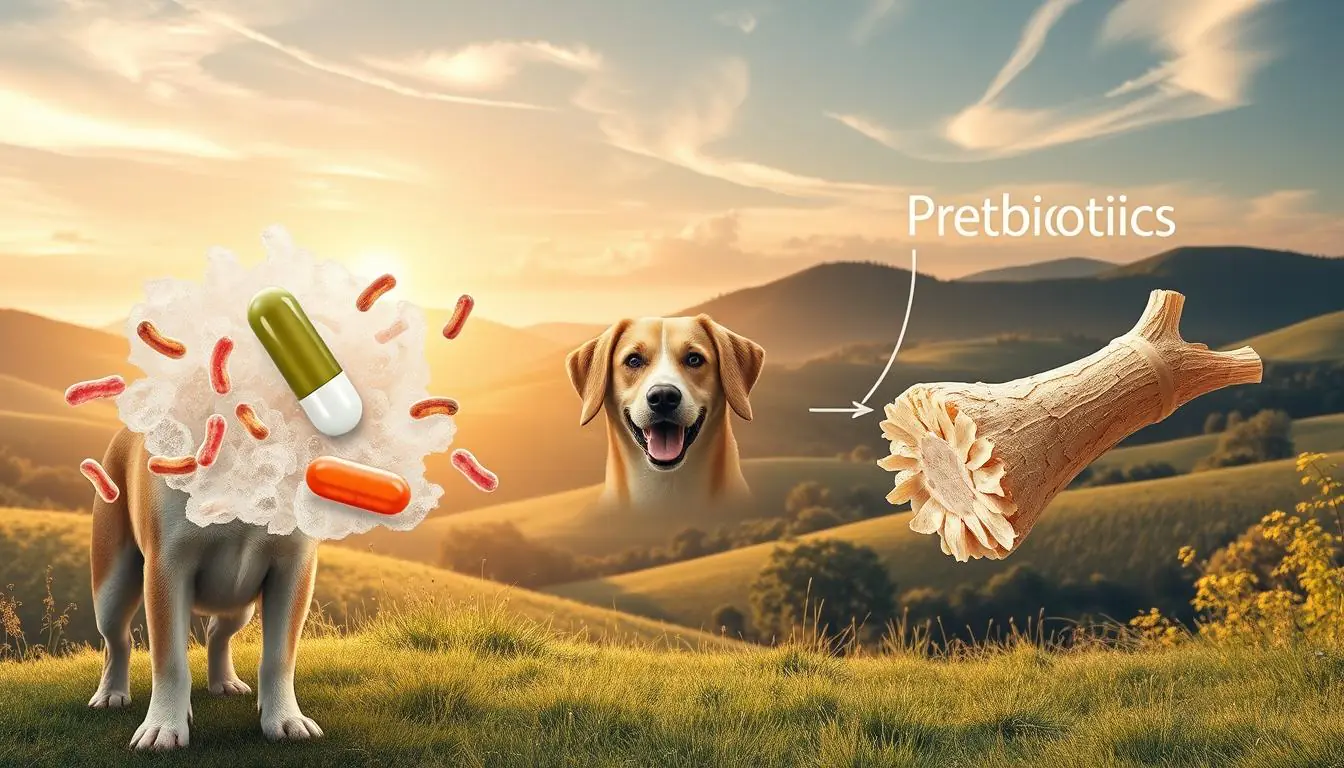
More than 80% of a dog’s immune system lives in the gut. That single fact shows why you can’t ignore digestive care when looking after your pet’s overall health.
This quick guide helps you tell the difference between live cultures and the fibers that feed them. You’ll learn how each supports your pet’s microbiome and what benefits to expect right away.
Practical tips will show which natural foods and supplements pair well. We reference DLY Pets probiotics for dogs as a clean option to combine with natural fibers for synbiotic support.
By the end, you’ll know which ingredients to seek on labels, which to avoid, and how to track improvements in stool, energy, and immune response.
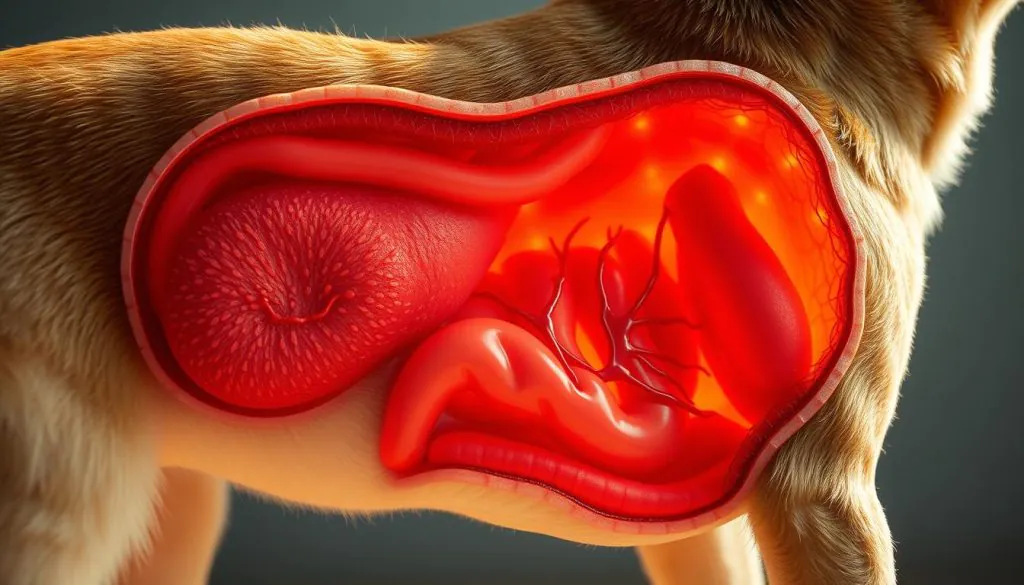
Your dog’s digestive tract quietly runs much of their immune defense and overall wellbeing. Most immune tissue lives in the gut, so keeping gut balance directly shapes how your pet handles germs and stress.
When beneficial bacteria ferment soluble fibers they make short-chain fatty acids (SCFAs). SCFAs help cool inflammation and protect body tissues. That leads to better digestion, firmer stool, and more energy.
Dogs under stress, after antibiotics, or with tummy issues often need extra help to bounce back. Small, steady choices — quality food, targeted fibers, and a daily probiotic — add up to big gains in health and resilience.
If you’re unsure where to start, talk with your vet. A simple daily probiotic like DLY Pets probiotics for dogs can be an easy add-on while you refine diet and routine.
| Sign | Likely Cause | Quick Action |
|---|---|---|
| Soft stool | Imbalance of gut bacteria | Try a short probiotic course; check food |
| Excess gas | Poor fiber digestion | Adjust nutrients and add fermentable fiber |
| Itchy skin | Gut-driven inflammation | Consult vet and support gut with probiotics |
Live microbes and the fibers that feed them play distinct but connected roles in gut balance.
Probiotics: These supplements add living, helpful bacteria into the digestive tract. When you give targeted strains, you increase the chances that good microbes will outnumber harmful ones. This supports digestion and can ease upset after antibiotics.
Think of probiotics as reinforcements. They supply strains that compete with bad bacteria and support immune responses in the gut.
Non-digestible fibers travel to the colon intact. There, gut bacteria ferment them and make short-chain fatty acids (SCFAs).
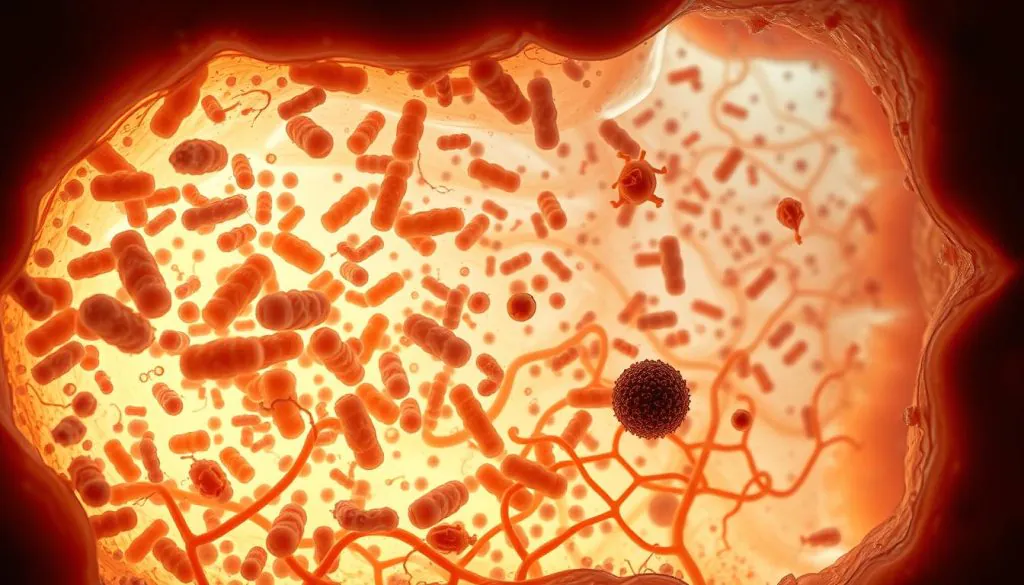
Pairing probiotics with natural fibers boosts the odds that new bacteria will take root and thrive. Consider combining DLY Pets probiotics for dogs with a gentle, whole-food fiber to build a simple synbiotic routine. This approach helps your pet rebound faster from tummy upsets and keeps the microbiome resilient under stress.
When gut bacteria are balanced, the ripple effects show up across immunity and digestion. You’ll notice changes that matter to daily life and long-term wellness.
Balanced microbes help tune the immune response. SCFAs produced by fermented fibers lower inflammation and support a calmer immune system.
That means fewer flare-ups and better resilience during stress or illness.
A stable microbiome often leads to firmer stool, less gas, and smoother digestion. Many pet parents spot these effects within a few weeks.
Strong gut communities can support recovery after antibiotics and other setbacks. Research on functional mushrooms like turkey tail shows immune-modulating activity and possible anti-tumor effects.
“A healthier gut can mean steadier energy and stronger day-to-day resilience.”
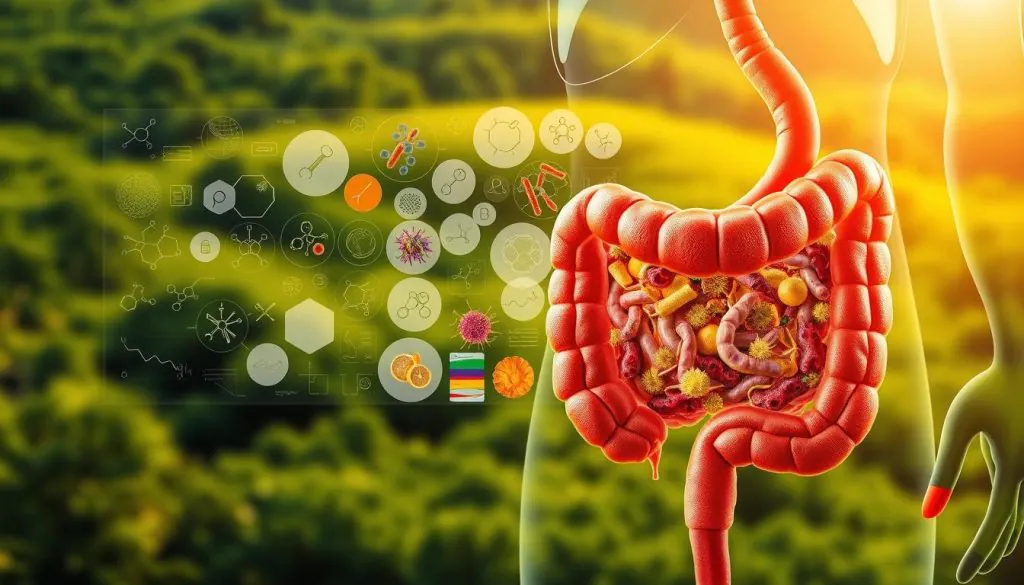
Practical note: A daily synbiotic plan that includes DLY Pets probiotics for dogs may enhance these benefits, especially during seasonal stress or after antibiotics. Set realistic expectations and track stool, energy, and skin comfort as your measures of progress.
Not all fiber works the same in the gut; what a label says matters. When you read ingredient lists, look for clear names that tell you the actual source and effects.
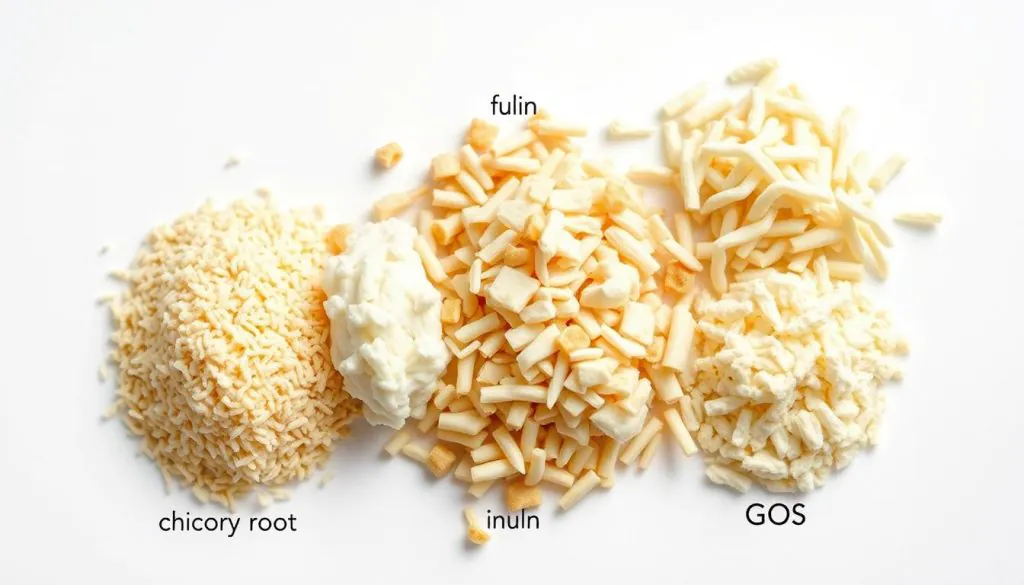
Inulin is an indigestible starch often from chicory root. It ferments well in the colon and feeds helpful bacteria.
FOS comes from fructose in fruits and roots. It supports steady fermentation and SCFA production.
GOS appears in dairy and legumes and acts as reliable food for friendly microbes.
MOS is derived from Saccharomyces cerevisiae yeast and can help modulate bacterial balance.
Look out for maltodextrin on labels. It’s usually corn-derived and may spike blood glucose. Studies link it to altered bacteria and higher E. coli risk, so it’s not a good substitute.
| Ingredient | Source | Ferments in Colon | Why it matters |
|---|---|---|---|
| Inulin | Chicory root | Yes | Feeds beneficial bacteria; boosts SCFA |
| FOS | Fruits & roots | Yes | Steady fermentation; supports digestion |
| GOS | Dairy & legumes | Yes | Promotes friendly bacteria growth |
| MOS | Brewer’s yeast | Yes | Helps modulate gut microbes |
| Maltodextrin | Corn-derived | No (not a true prebiotic) | May affect blood sugar and microbiome; avoid |
Tip: Pair a clean probiotics supplement like DLY Pets probiotics for dogs with products listing inulin, FOS, GOS, or MOS. Favor specific ingredients over vague blends to improve feeding outcomes and long-term gut health.
“Choose clear fiber sources on labels and skip maltodextrin when possible.”
You can add gentle, natural foods to meals that feed helpful microbes and support digestion. These choices pair well with a daily probiotic to build simple synbiotic bowls.
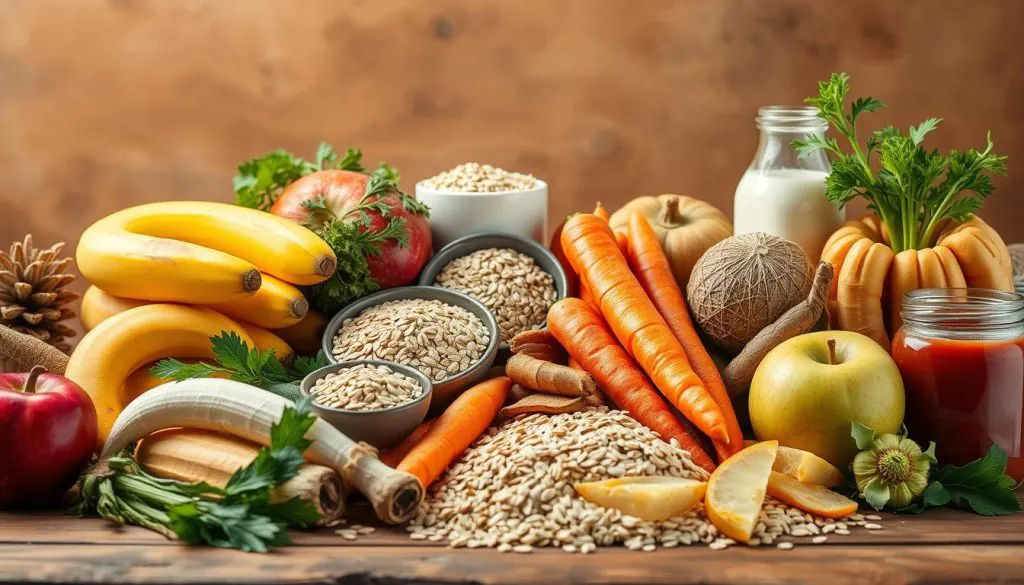
Cooked culinary mushrooms offer chitin, hemicellulose and beta-glucans that modulate gut bacteria. Choose whole fruiting body products over mycelium on grain for higher beta-glucan content.
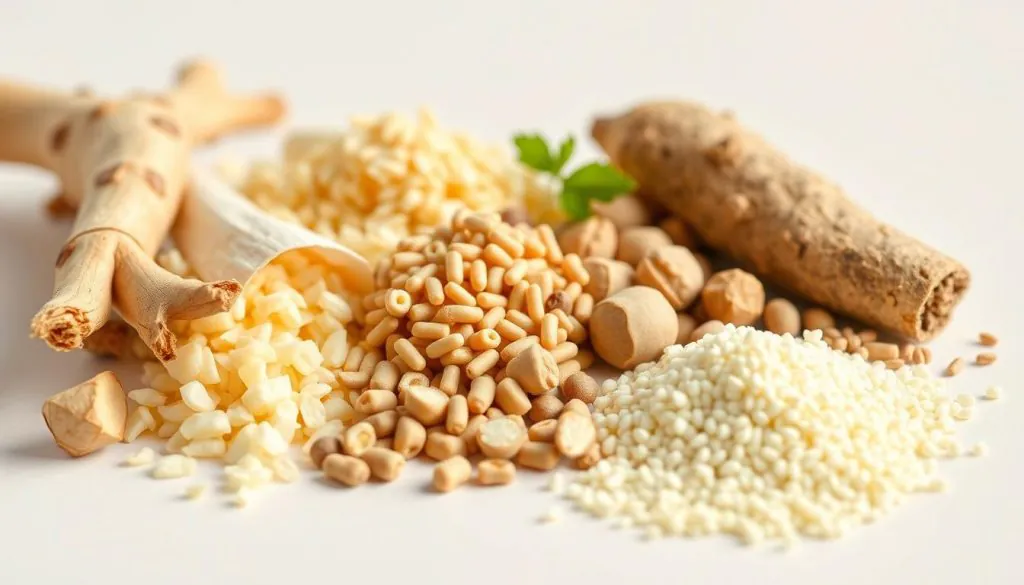
Chicory root is a reliable source of inulin. Add small amounts to recipes to gently feed friendly microbes and boost SCFA production.
Dandelion greens bring inulin plus minerals that support liver function. Sauté, steam, or sprinkle dried greens at about 1 tsp per 20 lb body weight.
Burdock root contains inulin and trace minerals. Make a mild decoction and pour it over your dog’s meal for easy daily feeding.
Chop or crush garlic to form allicin, wait a couple minutes, then serve promptly. Use these amounts by weight: 10–15 lb: 1/2 clove; 20–40 lb: 1 clove; 45–70 lb: 2 cloves; 75+ lb: 2½ cloves.
Tip: Combine these foods with DLY Pets probiotics to create balanced, nutrient-rich bowls that support gut balance and long-term health.
Mushroom varieties differ widely in active compounds and effects on immunity and digestion. You can choose specific fungi to target immune support, gut lining repair, or balanced bacterial communities.

Turkey tail (Trametes versicolor) contains PSP and PSK. These compounds are well studied for immune modulation and anti‑tumor activity. In a canine study, PSP more than doubled survival time in hemangiosarcoma.
Lion’s mane helps protect the gut lining and shows anti‑ulcer and IBD‑calming potential. Use it to support sensitive tummies and gut repair.
Chaga can shift bacterial groups like Bacteroidetes and balance immune responses. It acts gently and pairs well with whole foods that support digestion.
Maitake supplies beta‑1,6‑glucan that aids t‑cell and metabolic health. Reishi can raise beneficial bacteria but has rare liver cautions with long, powder‑only use.
Choose whole‑fruiting‑body extracts standardized for beta‑glucans. Pair mushroom food with DLY Pets probiotics for dogs to build a simple synbiotic routine and enhance overall benefits.
After tummy upsets, a simple routine can steady digestion and cut recovery time. Many dogs recover faster when you add a short probiotic course and gentle fiber foods as the gut calms.
After antibiotics, digestive bugs, or big stress events
Antibiotics and gastroenteritis can deplete helpful microbes in the tract. Start a clean probiotic like DLY Pets probiotics for dogs right away to help recolonize the valley of microbes.
If you see diarrhea, loose stools, constipation, recurring yeast, or itchy skin, your pet may need gut support. Stress, travel, and meds often trigger these issues.
If your dog has chronic disease or takes medication, check with your vet before changing supplements or diet.
“A steady routine can fortify immunity and help the system bounce back faster after future bumps in the road.”
Some changes show up fast, while deeper gut shifts need steady care over weeks. You may see early wins in stool and energy within days after adding probiotics and gentle prebiotic foods.
Short-term improvements often include firmer stool, less gas, and brighter appetite. These signs tell you the microbiome is responding.
Quick wins: Loose stool or mild upset can improve in a few days with consistent use of probiotics and simple food changes.
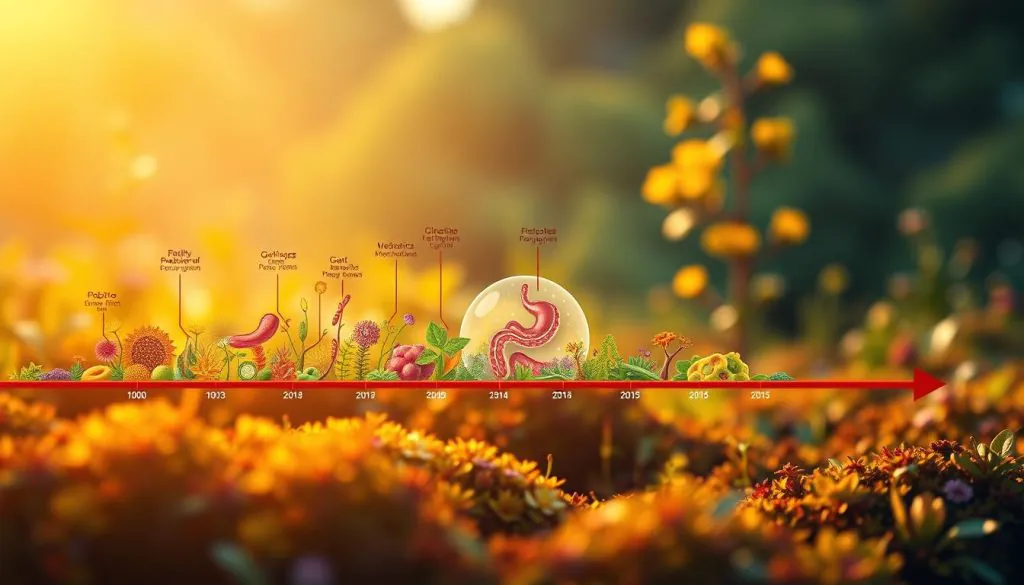
| Timeline | Typical Signs | What to Do |
|---|---|---|
| Days | Firmer stool, less gas | Continue probiotics; add gentle fiber |
| 2–4 weeks | Steadier energy, less itching | Maintain routine; note food changes |
| 4–6 weeks | Microbiome rebalancing, lasting benefits | Stick with plan or consult vet if no change |
Tip: Many pet parents use DLY Pets probiotics for dogs daily, then add prebiotics at meal time and track small wins each week to measure health benefits.
Knowing how to read ingredient lists helps you choose effective supplements and avoid fillers. A clear label tells you the source, active beta‑glucan level, and which fibers are included.

Pick whole-fruiting-body mushroom products that list beta‑glucan content. Avoid mycelium-on-grain blends that add starch and dilute active nutrients.
Scan for specific fibers like inulin, FOS, GOS, or MOS. Skip products that list maltodextrin or vague “polysaccharides.”
If a supplement is made for humans, scale doses from a 150 lb reference to match your dog’s weight. This helps you give a safe, effective amount.
Pair a daily probiotic like DLY Pets probiotics for dogs with natural inulin-rich food and cooked mushrooms to build synbiotic support. Add one product at a time and track changes.
| What to check | Why it matters | Action |
|---|---|---|
| Whole fruiting body | Higher beta‑glucan levels | Choose products with stated beta‑glucan |
| Specific fibers listed | Feeds beneficial bacteria | Look for inulin, FOS, GOS, MOS |
| Minimal ingredients | Less risk of upset | Avoid fillers and artificial sweeteners |
| Human-dose label | Need to scale safely | Adjust from 150 lb reference to your dog |
Small, consistent feeding choices help maintain healthy gut flora and reduce flare-ups. Use a daily probiotic as your baseline, then add rotating whole foods to broaden bacterial diversity.
Start with one daily probiotic such as DLY Pets probiotics for dogs and layer in cooked mushrooms, chicory root, dandelion greens, or a mild burdock tea. Whole mushrooms should be cooked to release beneficial compounds and ease digestion.
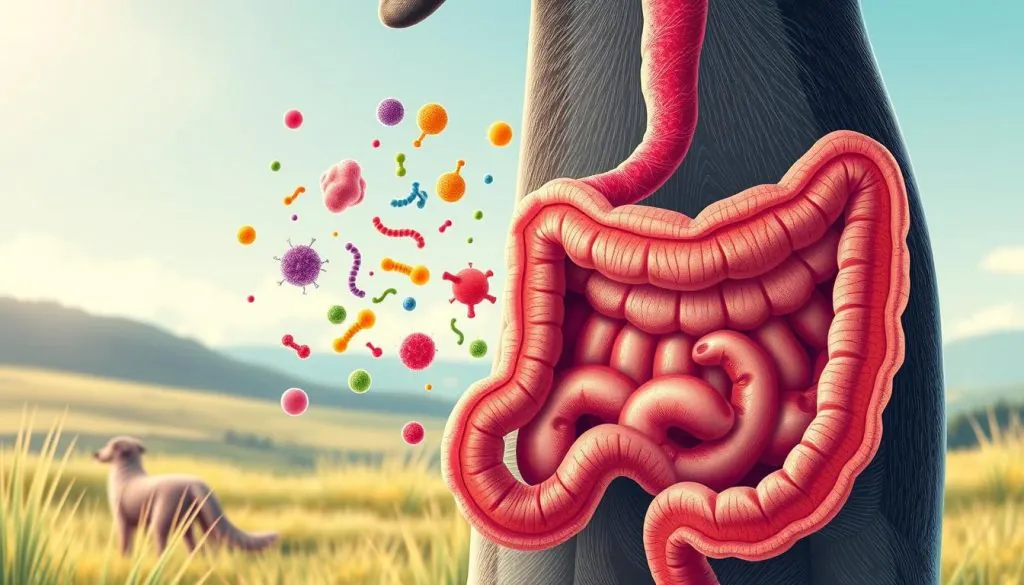
“A steady synbiotic routine helps benefits stick and keeps daily health stable.”
A consistent synbiotic approach gives the clearest path to lasting dog health gains.
Start a simple daily plan: pair DLY Pets probiotics for dogs with rotating natural prebiotic foods and cooked mushrooms. These soluble fibers ferment in the colon to make SCFAs that deliver real health benefits to your dog’s digestion and immune system.
Expect to see early wins in days, with fuller microbiome rebalancing over 4–6 weeks. Choose clear fiber sources and avoid maltodextrin. Functional mushrooms like turkey tail or lion’s mane may also support immunity and, in some cases, offer cancer‑related support alongside your vet’s guidance.
Keep portions sensible, track results, and work with your veterinarian when issues persist. Learn more about how synbiotics affect the intestinal system in this research summary: synbiotic effects on intestinal health.
