🐶 10% Off Your First Order Code “WELCOME10”

signs your dog needs probiotics

5 Signs Your Dog Might Need Probiotics

Surprising fact: nearly one in three pets shows subtle gut imbalances at some point, and many owners miss early clues that point to digestive trouble.

When you notice shifts in appetite, loose stool, or sudden skin flares, the gut microbiome is often at play. Probiotics are live bacteria and yeasts that help digestion, nutrient absorption, and immune system support. They’re measured in CFUs; for most dogs, about 1–10 billion CFUs daily is a common safe range.

Think of a balanced gut as a foundation for energy, skin comfort, and fewer tummy upsets. Supplements like DLY Pets probiotics for dogs can offer steady support when used alongside veterinary care.

Quick note: probiotics are not medicines. They help maintain healthy bacteria levels and may ease occasional digestive or skin issues. Always check for pet-safe formulas and avoid human products that contain toxic ingredients such as xylitol.

Key Takeaways

  • Early gut imbalance often shows as mild digestive or skin changes.
  • Probiotics support digestion, nutrient uptake, and immune system resilience.
  • Safe daily ranges for most dogs sit around 1–10 billion CFUs.
  • Use dog-specific supplements and consult a vet for persistent problems.
  • DLY Pets formulas offer practical daily support tailored to canine gut health.

Why your dog’s gut matters right now

The microbes in the gastrointestinal tract form the gut microbiome. It helps digestion, absorbs nutrients, and trains the immune system so the whole body runs smoothly.
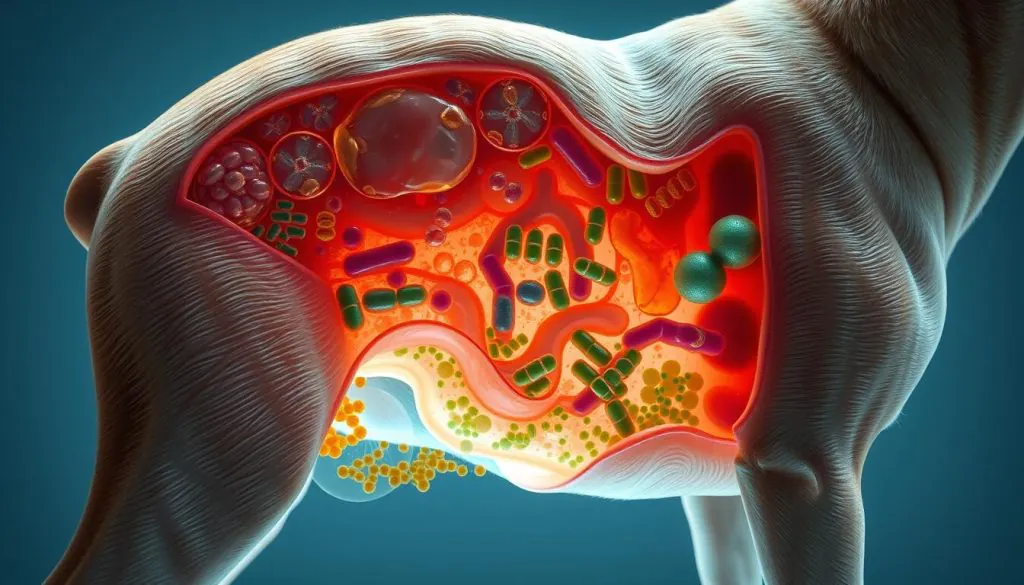
A detailed cross-section of a dog's gut, showcasing its intricate microbiome. The image should depict the various bacteria, yeasts, and other microorganisms that inhabit the canine digestive system, rendered in a vibrant, scientific style. The foreground should focus on the gut's interior, with a clear view of the mucosal lining and the diverse microbial colonies. The middle ground should feature the gut's musculature and connective tissue, while the background should provide context by showing the overall shape and position of the organ within the dog's body. Lighting should be soft and even, with a slightly muted color palette to convey the seriousness of the subject matter. The lens should be macro, allowing for a close-up, detailed view of the microbiome's complex structure and composition.

When the microbial mix drifts out of balance, small issues can appear fast. You may notice loose stools, gas, an off appetite, or dull coat changes. These shifts point to a wider gut imbalance that affects health beyond the stomach.

The gut microbiome, digestion, and immune system

The dog gut microbiome breaks down food and makes nutrients available. A large part of the immune system lives in the gut, so supporting microbes supports immunity across the body.

Probiotics defined: beneficial bacteria and yeasts, not medicines

Probiotics are live beneficial bacteria and yeasts that help rebalance the microbiome. They complement veterinary care and are not a substitute for medicine. Typical safe intake runs about 1–10 billion CFUs per day for many dogs.

“Introduce supplements slowly and give them with meals to lower the chance of gas or loose stools.”

Choose a canine formula—DLY Pets probiotics for dogs is made with pet-safe ingredients and avoids human additives like xylitol. If issues persist, consult a vet to rule out illness before focusing only on the microbiome.

Signs your dog needs probiotics

If digestion feels off for more than a couple of days, the gut microbiome may be out of balance. Small changes in stool, odor, or coat can point to a deeper bacterial shift in the stomach and intestines.
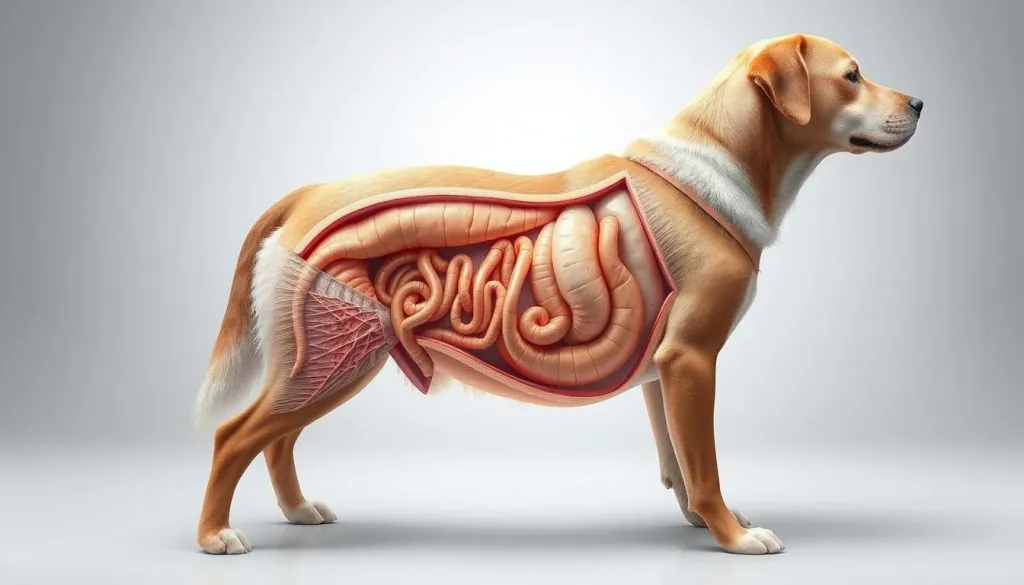
A detailed cross-section of a dog's gut, showcasing the intricate structures and layers that make up its digestive system. The image should be rendered with a clean, scientific aesthetic, using a combination of photorealistic and semi-abstract elements. The foreground should display the different components of the gut, such as the intestines, stomach, and colon, with attention to the textures, colors, and shapes of the organs. The middle ground should feature a subtle backdrop, suggesting the larger context of the dog's body, while the background should be a neutral, minimalist setting that allows the gut structure to be the focal point. Lighting should be soft and even, creating a sense of depth and dimensionality, and the overall composition should be balanced and visually appealing, conveying the importance and complexity of the dog's digestive system.

Ongoing diarrhea or loose stools

Loose stool that lasts over 48 hours often ties back to an unstable gut. A canine probiotic can help restore intestinal flora and often shortens episodes when used alongside vet guidance.

Room-clearing gas and audible tummy gurgles

Loud gurgles and frequent flatulence suggest fermentation or poor digestion. Regular probiotic use may reduce gas and make meals easier to handle.

Recurring ear issues with yeast or odor

Yeast overgrowth can show up in ears. Pair topical treatment with daily probiotics to help rebalance microbes and support healing.

Itching, flaky skin, and excessive shedding

Skin troubles sometimes link back to the gut. Steady supplementation can calm symptoms while you explore allergens and food triggers.

Stress-related digestive upset during travel or change

Boarding or travel can trigger vomiting or diarrhea. Start a probiotic before the event to give the gut resilience during stress.

“Track food, treats, and stool quality in a simple journal to spot patterns that point to microbiome imbalance.”

Symptom Likely gut link Quick action
Loose stool Imbalanced bacteria Try a canine probiotic; consult vet if blood appears
Excess gas Fermentation of food Adjust diet; add probiotic support
Itchy, flaky skin Microbiome-skin connection Address allergens; use daily probiotic

Tip: DLY Pets probiotics for dogs offers a multi-strain option formulated for digestive and skin support. If severe vomiting, blood in stool, or lethargy appear, call the vet first and use supplements as adjunct care.

Digestive red flags you shouldn’t ignore

Watch for repeating bathroom ups and downs — they often point to digestion that has lost its rhythm.
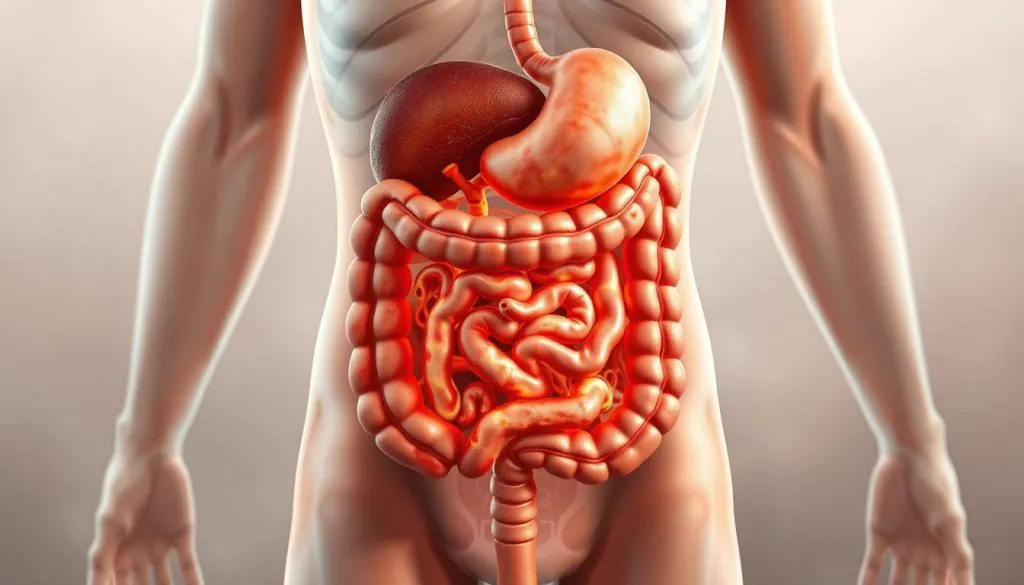
Digestive red flags gut: A detailed, anatomical illustration depicting the inner workings of a human digestive system, highlighting potential warning signs and irregularities. Centered in the frame, a cross-section of the gastrointestinal tract is shown in vivid, lifelike detail, rendered in a realistic, medical illustration style. The foreground showcases inflamed areas, areas of discoloration, and other visual indicators of digestive distress. The middle ground delves deeper, revealing the complex network of organs, tissues, and systems involved in digestion. The background provides additional context, with subtle, muted tones and textures suggesting the broader physiological environment. Soft, directional lighting casts subtle shadows, emphasizing the three-dimensional nature of the illustration. Overall, the image conveys a sense of educational clarity and clinical precision, designed to effectively communicate the key "digestive red flags" the article aims to highlight.

Early action helps. When potty patterns swing between constipation and loose stool, the gut microbiome may be out of balance. That rhythm problem often shows as discomfort, changes in appetite, or mild gas.

Irregular potty schedule: constipation alternating with loose stools

On-and-off constipation followed by loose stool suggests unstable motility. Supportive measures include steady hydration, added fiber, and a canine supplement that encourages beneficial bacteria.

Introduce DLY Pets probiotics for dogs slowly and give with meals to reduce stomach upset. Track stool quality daily and keep portions consistent.

Rapid weight loss when illness is ruled out

If a vet rules out disease yet weight falls, suspect poor nutrient absorption. Pairing a multi-strain probiotic with digestive enzymes can boost digestion and improve weight stability.

“Sudden black, tarry, or bloody stools require immediate veterinary care before any supplement changes.”

Red flag Likely gut link Quick steps
Alternating constipation & loose stool Rhythm imbalance of bacteria Hydrate, add fiber, start probiotic with meals
Unexplained weight loss Poor nutrient absorption Vet check, add enzymes plus probiotic support
Frequent gas or bloating Fermentation or slow digestion Adjust food; introduce supplement slowly

Skin, coat, and ear clues linked to the gut

A dull coat, persistent itching, or a musty smell can point to deeper microbial shifts under the skin. These visible clues often track back to an imbalance in the gut and skin microbiome rather than only surface issues.

A detailed close-up of a dog's skin, coat, and ears, showcasing the intricate connection between the gut and external appearance. The image should have a natural, warm lighting, creating a soft, inviting atmosphere. The focus should be on the textured skin, smooth fur, and delicate ear structures, emphasizing the harmony between the internal and external health of the canine subject. Utilize a shallow depth of field to draw the viewer's attention to the key elements, with a slightly blurred background to provide context without distracting. Capture the essence of the gut-skin relationship in a visually striking and informative manner.

Foul skin odor and yeast overgrowth

A pungent, yeasty smell from fur or ears often signals yeast or bacterial overgrowth. Treat infections locally, then support recovery with a canine probiotic regimen to help rebalance internal bacteria.

Hot spots, dandruff-like flakes, and coat thinning

Dry, flaky patches and continuous scratching can stem from food sensitivities or microbiome shifts. Consider an elimination diet for allergies while adding a multi-strain supplement like DLY Pets probiotics for dogs to encourage smoother skin and better coat shine.

Recurrent ear infections tied to microbiome imbalance

When ear infections repeat, pair vet-prescribed topical care with daily oral support. Start in the safe range of 1–10 billion CFUs and give with food. Over a few weeks, you may see less odor, fewer flare-ups, and improved overall pet health.

“Combine gentle grooming, consistent ear-cleaning, and a targeted supplement plan to rebuild balance from the inside out.”

  • A musty smell often means yeast overgrowth; internal support helps restore balance.
  • Flaky skin and hot spots can fall with steady, canine-safe supplementation.
  • Repeat ear infections benefit from local treatment plus daily microbiome support.
Clue Likely link Action
Musty skin or ear odor Yeast or bacterial overgrowth Treat infection; add DLY Pets probiotic; consult vet
Dry, flaky patches Microbiome or food-triggered inflammation Try elimination diet; gentle grooming; start supplement
Recurring ear infections Microbiome imbalance in gut/skin Topical care first; maintain with daily probiotic support

For more on recognising early signs and practical steps, see recognising signs.

Behavior and immune hints that point to the gut

Behavior changes and immune flare-ups often give early clues that the gut is out of balance. Watch how mood and digestion shift together; that link can guide better care.
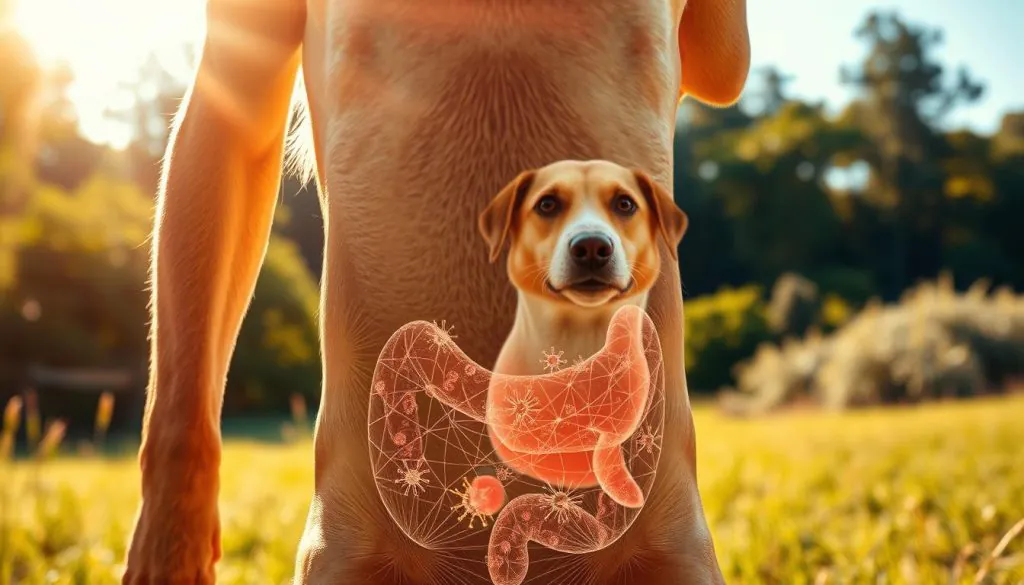
A serene, sunlit scene depicting the interplay between gut health, behavior, and the immune system. In the foreground, a dog's midsection is highlighted, with a translucent overlay showcasing the intricate connections between the gut microbiome and the body's defense mechanisms. The middle ground features the dog's expressive face, radiating a sense of calm and wellbeing. In the background, a lush, verdant landscape evokes the natural balance of a healthy ecosystem. Warm, diffused lighting casts a gentle glow, emphasizing the harmonious relationship between the dog's physical and mental state. Captured with a wide-angle lens, the composition conveys a holistic perspective on the gut-behavior-immune axis.

Stress alters gut motility and can cause vomiting or loose stool during travel or changes in routine. Start a canine supplement a few days before a stressful event to help steady the microbiome.

Introduce supplements gradually and give with meals so the digestive system adapts without added upset. Use consistent dosing for several weeks to see effects.

Allergy-type symptoms eased by microbiome balance

A large portion of the immune system sits in the gut. Supporting those microbes can soften some skin and food-related reactions over time.

Pair microbial support with predictable routines—sleep, feeding, and exercise—to help the body settle into a calmer rhythm.

“Watch for behavior shifts like restlessness or clinginess that occur with diarrhea; this timing helps you apply support when it matters most.”

Practical tips

  • Begin DLY Pets probiotics for dogs a few days before trips to buffer stress effects.
  • Track behavior alongside bowel changes to spot patterns you can act on.
  • Keep your vet in the loop if allergy-type symptoms persist; supplements complement, not replace, targeted care.
Trigger Gut link Action
Travel or routine change Increased motility, loose stool Start supplement 2–3 days prior; give with food
Restlessness with digestive upset Stress-related gut disturbance Stabilize routine; continue support for weeks
Allergy-type skin or food reactions Immune modulation via gut Combine vet plan with daily microbial support

Learn more about balanced microbial care at an expert guide or explore product details at DLY Pets.

Diet-related triggers that increase probiotic needs

High-carb kibble can push the gut to work harder than it should. Many dogs digest starches less efficiently because they have less salivary amylase. That extra burden can change bacteria balance and raise fermentation, which leads to gas and looser stool.

a close-up view of a human's distended abdomen, highlighting the effects of an unhealthy diet on the gut. The skin has a slightly bloated, discolored appearance, suggesting inflammation and digestive distress. The lighting is soft and natural, casting subtle shadows that accentuate the contours of the protruding midsection. The composition is centered on the gut, filling the frame, with a plain, neutral background that keeps the focus on the key subject matter. The overall mood is one of concern and unease, hinting at the potential health implications of an imbalanced gut microbiome.

Dry food and carb-heavy diets challenge digestion

When most meals are kibble, add a daily supplement like DLY Pets probiotics for dogs to help the microbiome process carbs. Introduce supplements slowly and give with meals to limit gas.

Sudden food changes or low-quality ingredients

Abrupt dog food changes often cause loose stools. Low-grade ingredients add stress to the gut and can trigger yeast or odor flares. Transition over 5–7 days, keep treats minimal, and use steady microbial support while the gut adapts.

“Simpler, higher-quality foods are gentler on digestion and reduce digestive upset.”

Trigger Effect Quick step
Kibble-heavy diet Increased fermentation and gas Add daily DLY Pets probiotic; feed with meals
Sudden food change Loose stool Transition 5–7 days; keep treats consistent
Low-quality ingredients Microbiome imbalance, yeast flares Choose cleaner food; support bacteria with supplement

Choosing a safe, effective probiotic for dogs

Not all formulations work the same—ingredients and delivery change results. Start by checking strain diversity, dose, and how you’ll give the product each day.

A well-lit, close-up shot of an assortment of dog probiotic supplements on a wooden table. Various shapes and sizes of capsules, powders, and liquid formulas are neatly arranged, showcasing the different types of probiotics available for canine health. The image has a clean, clinical aesthetic, with a soft, diffused lighting that accentuates the natural textures and colors of the products. The focus is on the probiotic items, with a blurred background suggesting a serene, natural setting. The overall mood is one of professionalism, safety, and care for the dog's well-being.

Look for multi-strain formulas

Choose blends that include Lactobacillus, Bifidobacterium, and Enterococcus. These cover different zones of the GI tract and improve the chance of helpful colonization.

CFUs explained: target about 1–10 billion per day

A useful therapeutic range for many pets is roughly 1–10 billion CFUs daily. Start at the lower end if stomach sensitivity is a concern, then increase only with vet guidance.

Powders, chews, or liquids: pick a format your pet accepts

Powders mix into meals, chews act like treats, and liquids pour over food. Choose the delivery that fits mealtime habits to keep dosing consistent.

Dog-specific products only

Verify the product is made for dogs and free from xylitol or unnecessary flavors. Human formulas can contain toxic ingredients and should be avoided.

“Check storage directions and expiry dates—heat and humidity reduce live bacteria counts.”

  • Storage: keep cool, dry, and away from light to protect potency.
  • Label checks: confirm strains, CFUs, and canine-safe ingredients.
  • Pairing: consider prebiotics if your vet recommends extra microbiome and immune support.
Factor What to look for Why it matters
Strain mix Lactobacillus, Bifidobacterium, Enterococcus Broader coverage across the gut improves balance and function
CFU dose About 1–10 billion per day Effective yet safe; start low for sensitive stomachs
Format Powder, chew, or liquid Choose what the animal accepts for consistent use
Safety Made for dogs; no xylitol Avoids toxic additives and gut upset from human ingredients

DLY Pets probiotics for dogs fits these criteria with multi-strain blends, sensible CFUs, and pet-friendly formats to help digestion, skin, and immune support when used alongside vet care.

Smart start: how to introduce probiotics and what to expect

Introduce live cultures in small steps so the digestive system can adjust. A gradual plan helps limit gas or loose stools and improves long‑term results.
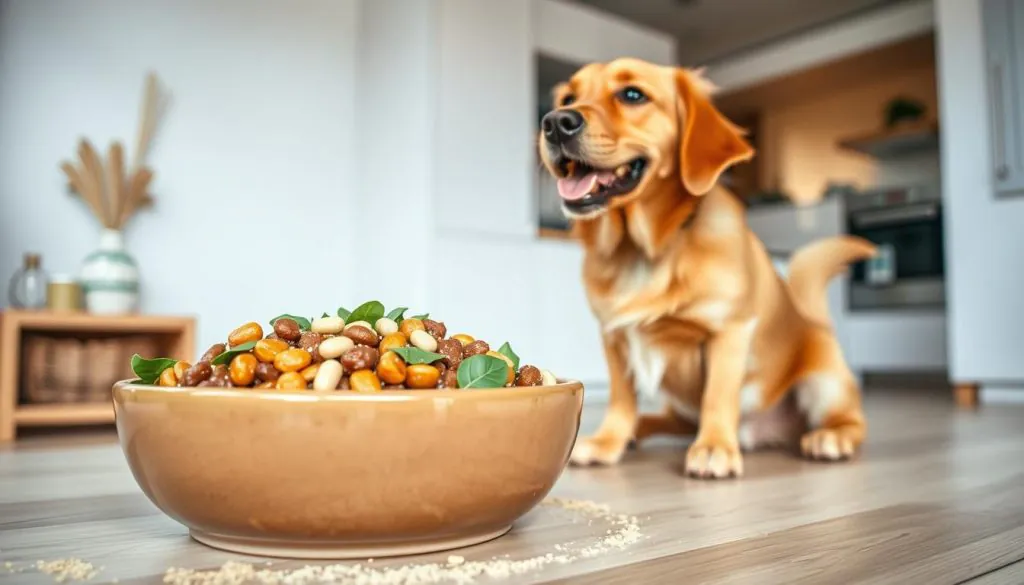
A vibrant and cheerful scene of a dog enjoying a probiotic-infused meal. In the foreground, a large ceramic bowl filled with a colorful blend of wet dog food, sprinkled with vibrant green leaves and powdery supplements. The dog, a playful golden retriever, sits attentively, its tail wagging with anticipation. Soft, diffused lighting illuminates the scene, casting a warm glow and highlighting the dog's shiny coat. The background features a cozy, minimalist kitchen interior, with clean white walls and wooden accents, creating a calming and inviting atmosphere. The overall composition conveys a sense of wellness, balance, and the dog's enthusiasm for its nutritious meal, setting the stage for a "smart start" to a healthy, probiotic-rich diet.

Start low, go slow, give with meals

Begin at a fraction of the suggested dose and build to full strength over 3–7 days. Give with food to buffer stomach acid and help bacteria reach the lower gut alive.

Storage and consistency to maintain potency and results

Keep the product in a cool, dry place away from heat and light. Consistent timing — same meal, same amount — helps beneficial strains colonize and steady digestion.

When to pair probiotics with digestive enzymes

If stools stay inconsistent or weight and absorption seem poor, ask your vet about adding digestive enzymes for a few weeks. Enzymes help break down fats and proteins while bacterial support rebuilds balance.

“If temporary bloating or loose stool appears, reduce the dose and reintroduce slowly.”

  • Start at a low dose with meals and increase slowly.
  • Keep dosing times steady to help colonization and steady digestion.
  • Store per label to protect live bacteria from heat and humidity.
  • Discuss enzymes with your vet if absorption or stool form stays poor.
Step Why it matters Tip
Low start (3–7 days) Reduces risk of gas or loose stool Build to full dose gradually
Give with meals Improves survival through stomach acid Mix into food or use a chew
Store cool & dry Preserves CFUs and potency Follow label directions
Pair with enzymes Helps digestion when absorption lags Consult vet before adding

DLY Pets probiotics for dogs fits this approach with clear dosing guidance and pet-safe strains to support digestion, skin, and overall health when used alongside vet care.

Support that fits your routine: DLY Pets probiotics for dogs

A product that fits mealtime habits makes long-term microbial support easy to maintain. DLY Pets probiotics for dogs are built to be part of a steady feeding routine and to work alongside quality dog food.
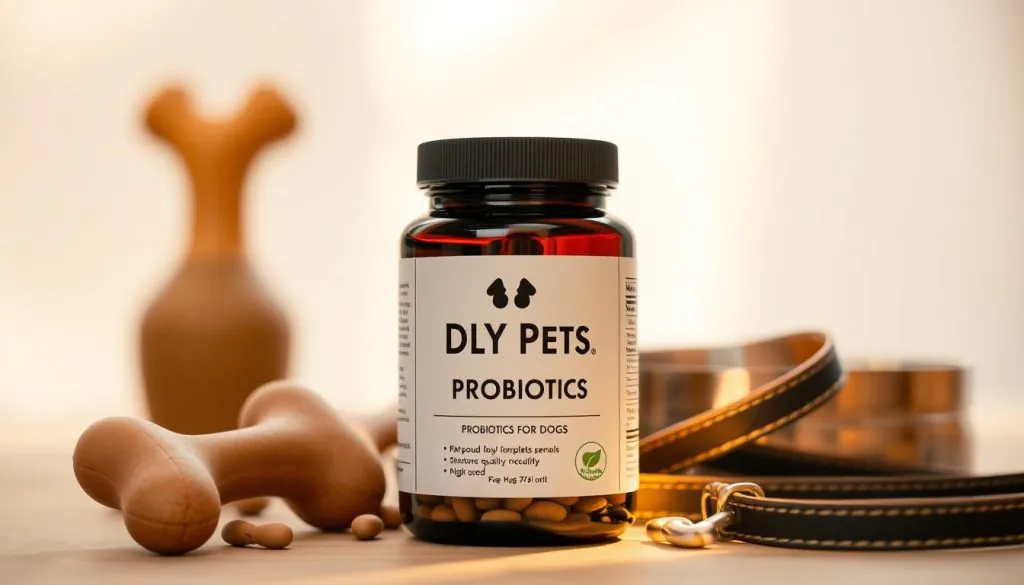
A beautifully lit close-up of a jar of DLY Pets probiotics for dogs, set against a soft, natural background. The jar is prominently displayed, showcasing the product's sleek, modern design with a minimalist label. The lighting creates a warm, inviting atmosphere, highlighting the high-quality ingredients through the translucent glass. In the background, a blurred array of dog-related items, such as a chew toy, a leash, and a bowl, creates a sense of context and relevance to the product's purpose. The overall composition conveys a sense of quality, health, and convenience for the dog owner.

Daily microbiome support for digestion, skin, and immune balance

Daily use helps steady digestion, ease skin flare-ups, and support the immune system. Give the supplement with meals to help the bacteria survive stomach acid and reach the lower gut.

Formulated for dogs with appropriate CFUs and canine-friendly ingredients

Multi-strain blends such as Lactobacillus and Bifidobacterium provide broad coverage. Typical effective dosing sits around 1–10 billion CFUs per day, which balances effect and tolerance.

How to fit DLY Pets into your dog’s diet alongside quality food

Choose a format that matches feeding habits—powder over food or a chew—so dosing stays consistent. Start low, increase over several days, and pair the supplement with a balanced diet for best results.

  • Made for dogs: avoids human additives like xylitol.
  • Easy formats: powder or chew mixes into meals.
  • Daily routine: same meal each day helps colonization.
Feature What it provides Practical tip
Multi-strain bacteria Lactobacillus & Bifidobacterium Supports digestion and skin over weeks
CFU range 1–10 billion per day Start low; increase if tolerated
Formats Powder, chew Mix into dog food for daily dosing
Canine-safe ingredients No xylitol or human-only additives Check label and storage directions

Conclusion

Small, steady steps often lead to the biggest wins for gut balance and overall health. If you spot mild signs like loose stools, gas, itching, or ear odor, consider daily microbial support while you adjust foods and nutrients.

Choose dog-specific formulas—DLY Pets probiotics for dogs follow the safe range of about 1–10 billion CFUs. Start slowly, give with meals, and watch for firmer stools and less odor over a few weeks.

Remember: supplements support care but are not medicines. Call your veterinarian if weight drops, symptoms worsen, or infections appear. Pet parents who want a simple routine can use targeted support alongside better diet and steady habits for lasting results.

FAQ

What are common indicators that my pet may benefit from a probiotic supplement?

Look for repeated loose stools, chronic gas, frequent ear odor or yeast, dull coat with flakes, or digestive upset tied to travel or change. These often point to an imbalance in gut bacteria and a need for targeted microbial support.

Why does gut health matter for overall wellness right now?

A balanced gut microbiome helps digestion, nutrient absorption, and immune defense. When friendly microbes decline, you can see digestive problems, skin issues, and more frequent infections — so keeping that ecosystem healthy supports daily wellbeing.

What exactly are probiotics and how do they work?

Probiotics are live beneficial bacteria and yeasts that help restore and maintain a healthy gut community. They’re not medications; they support digestion, crowd out harmful microbes, and can reduce inflammation when used consistently.

How do I know if persistent loose stools warrant a supplement?

If soft or watery stools continue beyond a few days, resist diet changes, or alternate with unexplained constipation, consider a probiotic after ruling out parasites or infection with your veterinarian.

Can bad-smelling gas and tummy gurgles be resolved with microbial support?

Yes. Excessive flatulence and audible digestion often result from bacterial imbalance or carbohydrate fermentation. A multi-strain probiotic can rebalance flora and reduce gas over time.

Why are recurring ear yeast or odor problems linked to the gut?

Microbiome imbalance can encourage yeast overgrowth on skin and in ears. Restoring healthy gut bacteria often helps reduce recurrence by improving immune regulation and reducing fungal colonization.

Will a supplement help itchy, flaky skin or shedding?

In many cases, yes. Improving gut bacteria can reduce inflammation and support skin barrier health, which often lessens itching, flaking, and abnormal hair loss when combined with proper nutrition.

My pet gets upset during travel or changes. Can probiotics help stress-related digestive issues?

They can. Certain strains support the gut–brain axis and calm digestion during stressful events. Start a supplement a few days before travel and continue during the stressful period for best results.

What digestive red flags should never be ignored?

Persistent alternation between constipation and loose stool, sudden unexplained weight loss, blood in stool, or ongoing vomiting require immediate veterinary attention — probiotics may help, but first rule out serious illness.

How do skin, coat, and ear problems signal a microbiome imbalance?

Foul skin odor, frequent yeast overgrowth, hot spots, dandruff-like flakes, and thinning coat often reflect systemic microbial or immune imbalance. Addressing gut health can be a key part of treatment.

Can anxiety or behavioral changes be connected to gut health?

Yes. Anxiety that coincides with vomiting or diarrhea suggests a gut–brain link. Improving microbiome balance can reduce GI symptoms and sometimes ease related anxiety.

Do certain diets increase the need for supplemental microbes?

Diets heavy in dry kibble, processed carbs, sudden ingredient changes, or low-quality formulas can stress digestion. Supplements can lend microbial diversity that supports breakdown of nutrients and gut resilience.

What should I look for when choosing a canine probiotic?

Pick multi-strain formulas featuring Lactobacillus, Bifidobacterium, and Enterococcus, appropriate CFU counts (roughly 1–10 billion daily for many dogs), and products made specifically for pets without xylitol or unsafe sweeteners.

How do CFUs relate to effectiveness and safety?

Colony-forming units indicate viable microorganisms per dose. Target the range recommended for pets and follow label directions; more isn’t always better — strain selection and stability matter most.

Which delivery format works best: powder, chew, or liquid?

Choose what your pet accepts and what maintains potency: powders mix with food, chews are convenient for picky eaters, and liquids can be useful for small or medicated animals. Always store per label instructions.

Are human probiotic supplements safe to use for pets?

Avoid human formulas. Canine-specific products use strains and doses suited to pets and exclude harmful ingredients like xylitol. Stick to veterinary-grade or reputable pet brands.

How should I start a supplement and what should I expect?

Start low and go slow, giving with meals to aid survival through the stomach. Expect gradual improvement over 2–8 weeks; mild initial gas or soft stool can occur as the microbiome adjusts.

When should probiotics be paired with digestive enzymes or other supports?

If your pet has chronic malabsorption, pancreatitis history, or persistent digestive troubles, combining probiotics with enzymes or a vet-recommended diet can improve nutrient breakdown and symptom control.

How do I store probiotics to keep them effective?

Follow the label — some require refrigeration, others are shelf-stable. Keep them sealed, cool, and dry, and use within the recommended period after opening to maintain potency.

What makes DLY Pets probiotic products different for everyday use?

DLY Pets focuses on canine-formulated blends with appropriate CFUs, multiple beneficial strains for digestion, skin, and immune balance, and flavors dogs accept. They fit easily into daily feeding routines.

How can I add a supplement into a balanced diet?

Mix powder into meals, offer chews with kibble, or add liquid to wet food. Maintain a high-quality diet with adequate protein and limited fillers to support microbiome gains and overall health.
Picture of long

long

August 18, 2025

Share this post